NATURAL REMEDIES / 18 / 3 items
3 Iron-Rich Foods to Build into Meals
Three approachable food sources of iron, plus the vitamin-C pairing that can make plant meals work harder.
Iron-rich meals work best as part of a pattern, not a single answer. Lentils, pumpkin seeds and leafy greens bring plant iron, with vitamin C as a useful pairing.
Where this comes from
Lentils, seeds and greens are longstanding staples in food traditions built around grains, vegetables and legumes. Pairing plant iron with citrus, peppers or other vitamin-C-rich foods is a simple kitchen practice that can help the body absorb more of the mineral.
What the research suggests
Lentils, pumpkin seeds and leafy greens provide non-heme iron alongside fiber, folate, protein or magnesium. Vitamin C can convert plant iron into a more absorbable form, while phytates and tea polyphenols can reduce absorption when consumed in the same meal.
Explore the ingredients
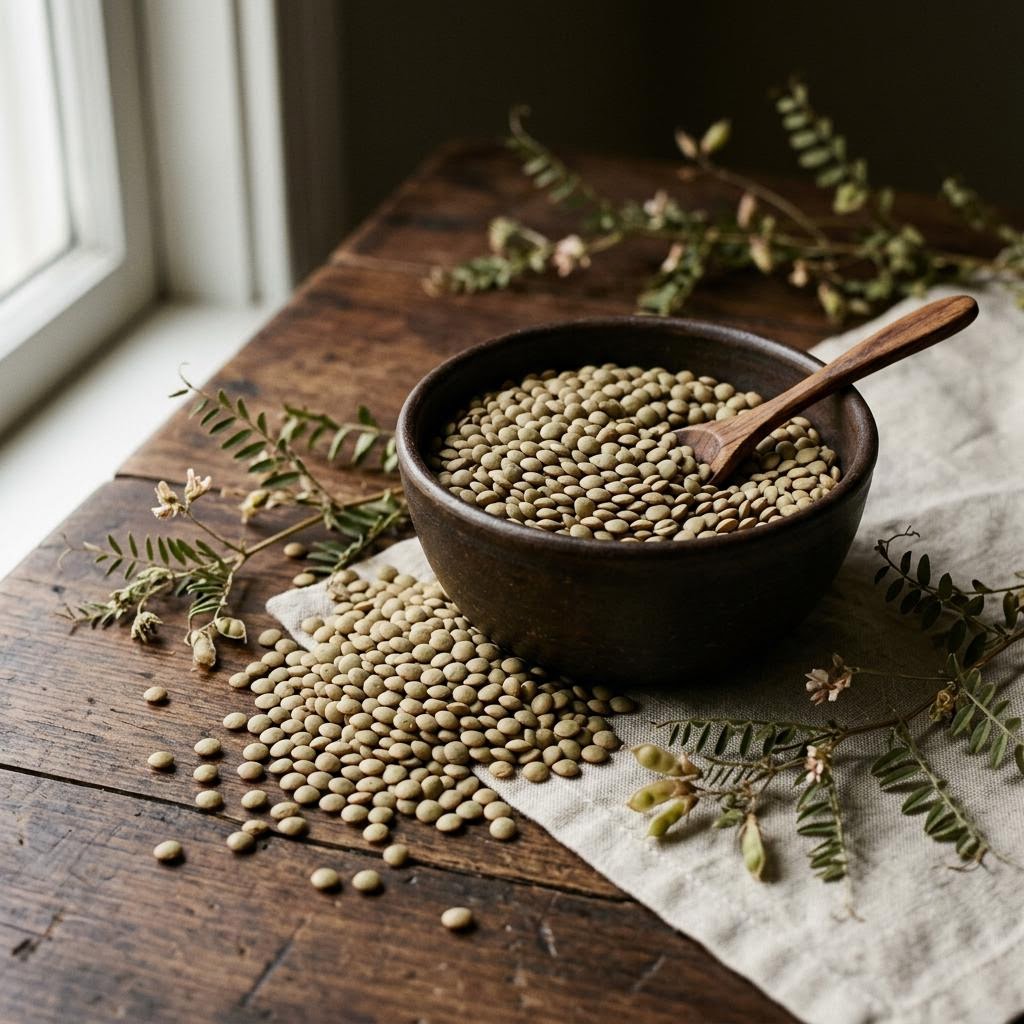
Lentils †
Lens culinaris
What it may bring: Lentils combine plant protein, soluble and insoluble fiber, resistant starch, iron and folate. Their fiber and starch support digestive regularity and a slower post-meal glucose response.
Traditional context: Lentils are foundational to food traditions across South Asia, the Middle East, North Africa, Europe and many plant-forward kitchens.
Try it: Simmer lentils into soup, fold them into grains or season them for a salad. Pair plant sources of iron with vitamin-C-rich produce to support absorption.
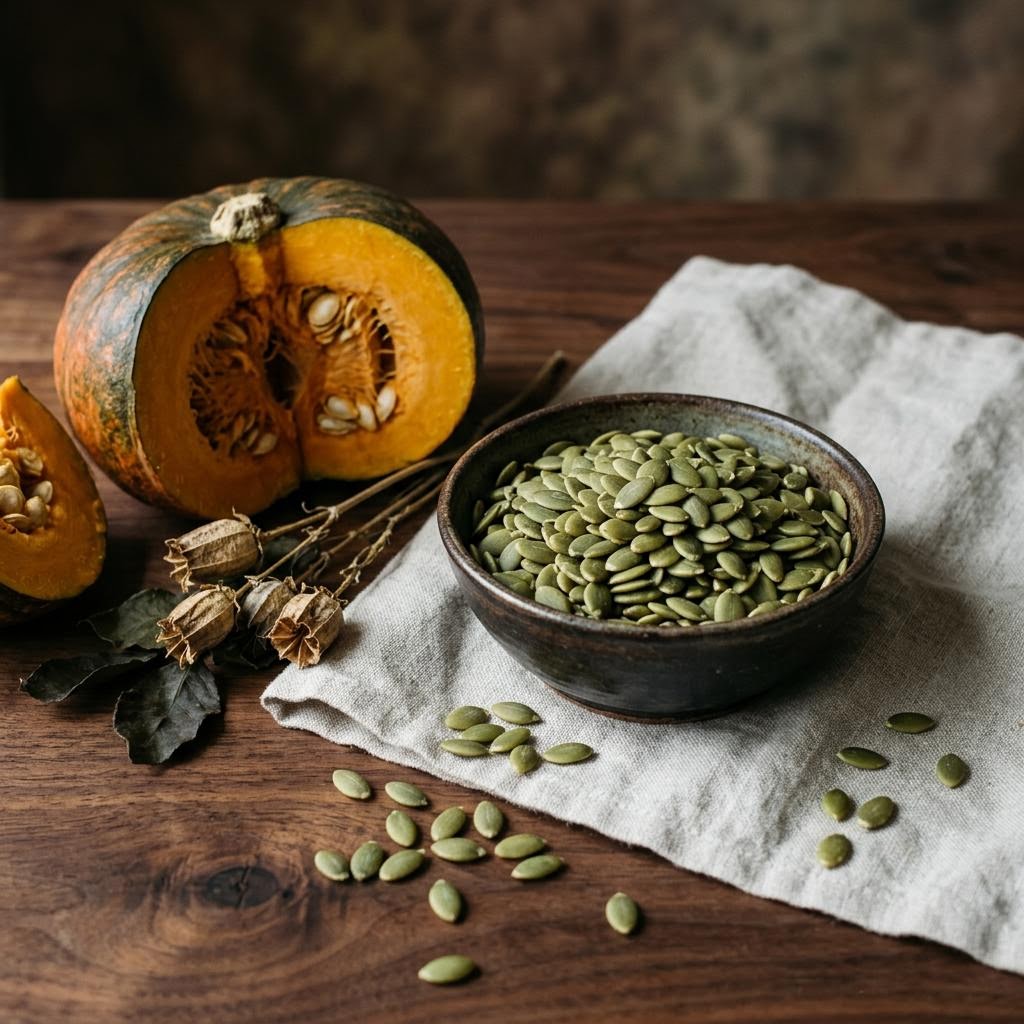
Pumpkin Seeds †
Cucurbita pepo
What it may bring: Pumpkin seeds provide magnesium, plant protein, zinc and unsaturated fats. These nutrients contribute to normal nerve, muscle, immune and energy metabolism as part of a varied eating pattern.
Traditional context: Pumpkin seeds are eaten across Mexico, Central America and many other food traditions, toasted, ground into sauces or added to everyday dishes.
Try it: Scatter a small handful over oats, salads or soups, or toast them with spices for a snack. Choose unsalted seeds when sodium matters.
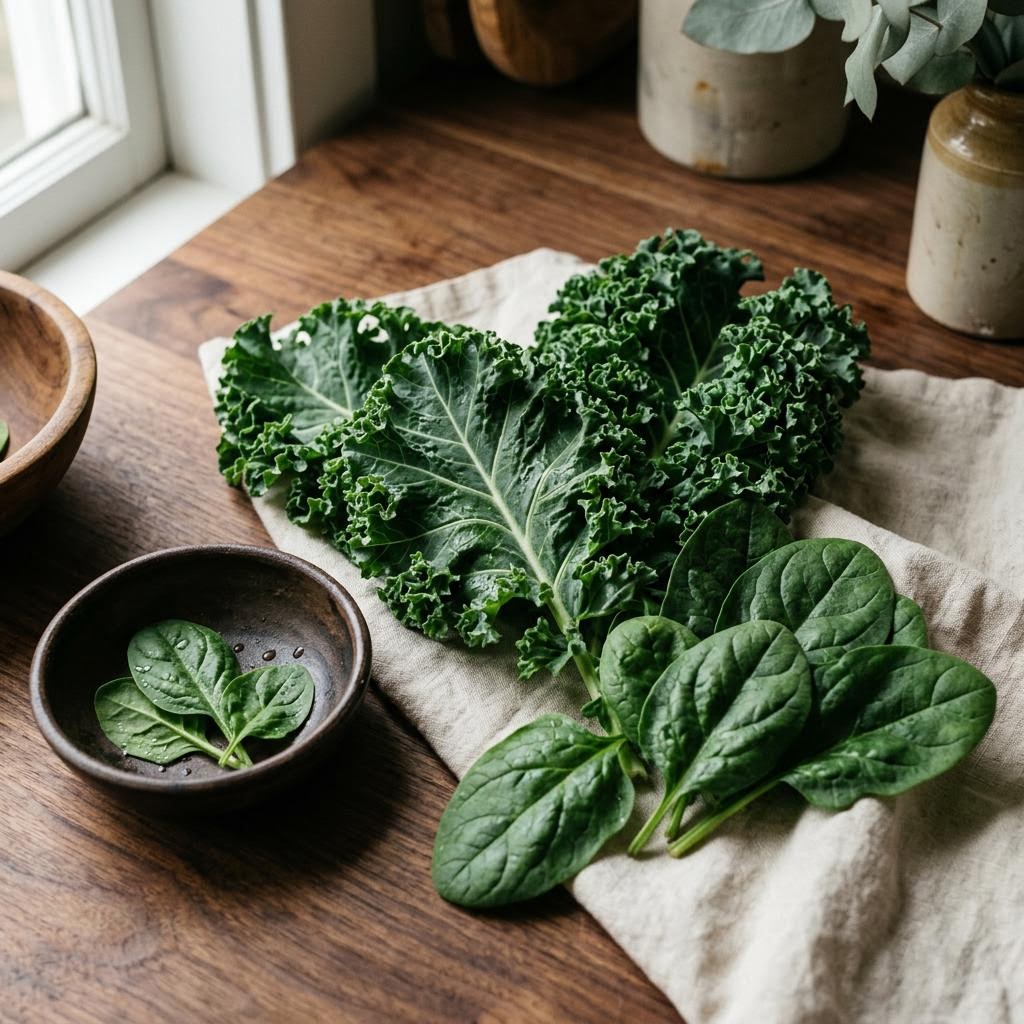
Leafy Greens †
Spinacia oleracea / Brassica oleracea
What it may bring: Leafy greens contribute folate, magnesium, vitamin K, carotenoids, fiber and, in some varieties, dietary nitrate. These nutrients support normal blood formation, muscle function and vascular signaling.
Traditional context: Leafy greens are part of everyday cooking across the world, from braised greens and saag to salads, soups and quick sautés.
Try it: Use tender leaves raw or cook sturdier greens into beans, grains, eggs or soup. A little acid and oil can make a greens-heavy meal more satisfying.
Safety & considerations
Do not start iron supplements for unexplained fatigue without professional guidance. People with anemia, pregnancy, gastrointestinal conditions or iron-storage disorders need individualized testing and advice.
† Small note markers beside ingredient names link to the specific considerations collected below.
- Lentils. Increase legumes gradually if they cause gas, and rinse canned lentils to reduce sodium. Kidney disease and medically prescribed mineral limits require individualized advice.
- Pumpkin Seeds. Seeds can trigger allergy and are energy-dense. People with kidney disease or a medically restricted mineral intake should ask a clinician about portions.
- Leafy Greens. People taking warfarin should keep vitamin-K-rich greens consistent and follow clinician guidance rather than avoiding them abruptly. Wash produce and cook wild greens only when correctly identified.
Sources reviewed
- Iron: Fact Sheet for Consumers — NIH Office of Dietary Supplements
- FoodData Central — U.S. Department of Agriculture
- Dietary Guidelines for Americans, 2020–2025 — USDA and HHS
Natural Remedies is for general education only. Food and traditional plant use do not diagnose, cure or replace medical care. If you have a diagnosed condition, are pregnant or breastfeeding, or take prescription medicines, speak with a qualified clinician or pharmacist before using concentrated herbal products.