NATURAL REMEDIES / 19 / 3 items
3 Plant-Protein Foods for Satisfying Meals
A practical trio for building protein-rich meals around beans, soy and everyday plant variety.
A satisfying meal often has a clear anchor. Chickpeas, edamame and tofu offer flexible plant protein, along with fiber or minerals that make the meal feel complete.
Where this comes from
Chickpeas connect cuisines across the Mediterranean, Middle East, South Asia and North Africa; tofu and edamame carry deep histories in Chinese, Japanese and Korean cooking. Their shared usefulness is practical: they take on seasoning, pair with grains and vegetables, and bring protein to the center of a meal.
What the research suggests
Chickpeas pair protein with fiber and resistant starch, while edamame and tofu provide complete soy protein and isoflavones. Combining these foods with grains, vegetables and satisfying fats creates meals with useful amino acids, texture and staying power.
Explore the ingredients
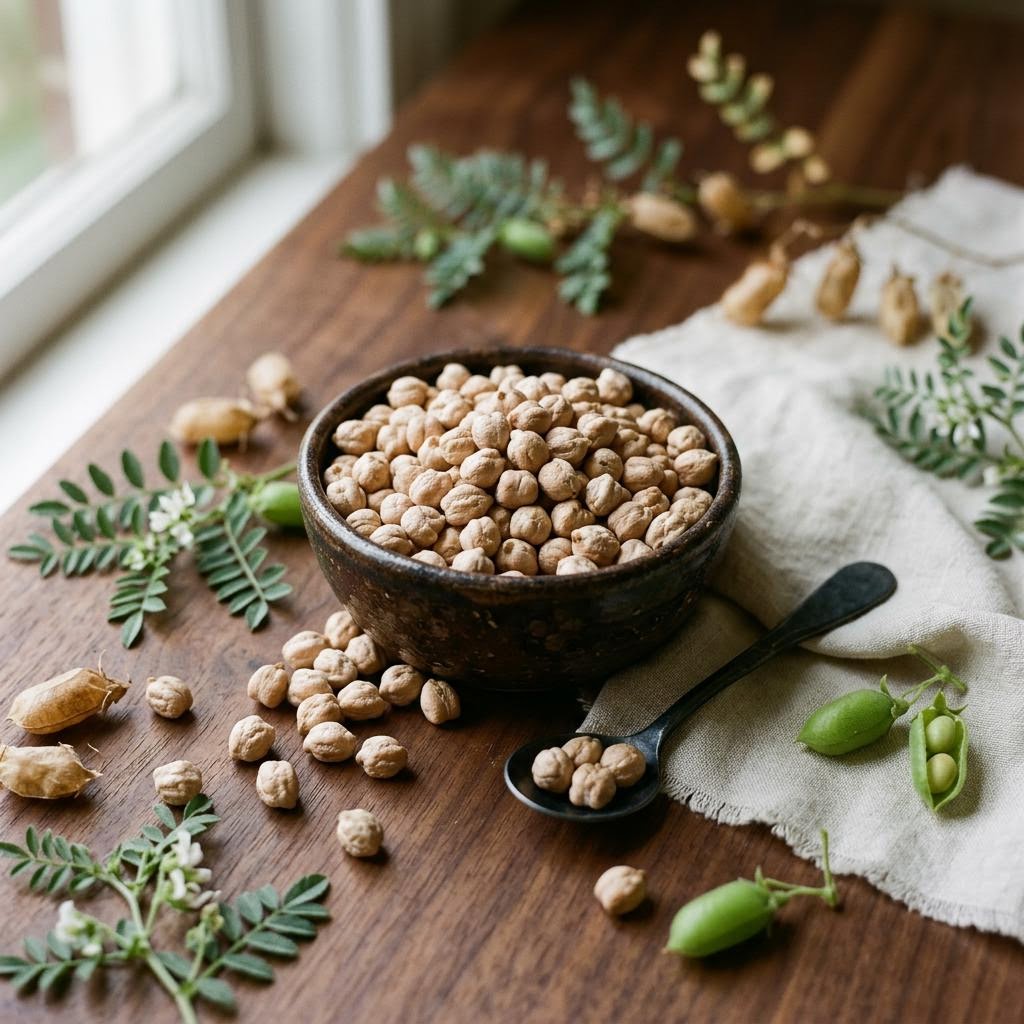
Chickpeas †
Cicer arietinum
What it may bring: Chickpeas provide plant protein, fiber, resistant starch, iron and folate. Studies of legumes support fullness and favorable post-meal glucose and cholesterol patterns when they regularly replace more refined foods.
Traditional context: Chickpeas are central to food traditions across the Mediterranean, Middle East, South Asia and North Africa, in dishes that range from hummus to curries.
Try it: Add them to salads, stews and grain bowls, or roast them until crisp. Rinse canned chickpeas and season them with herbs, citrus or spices.
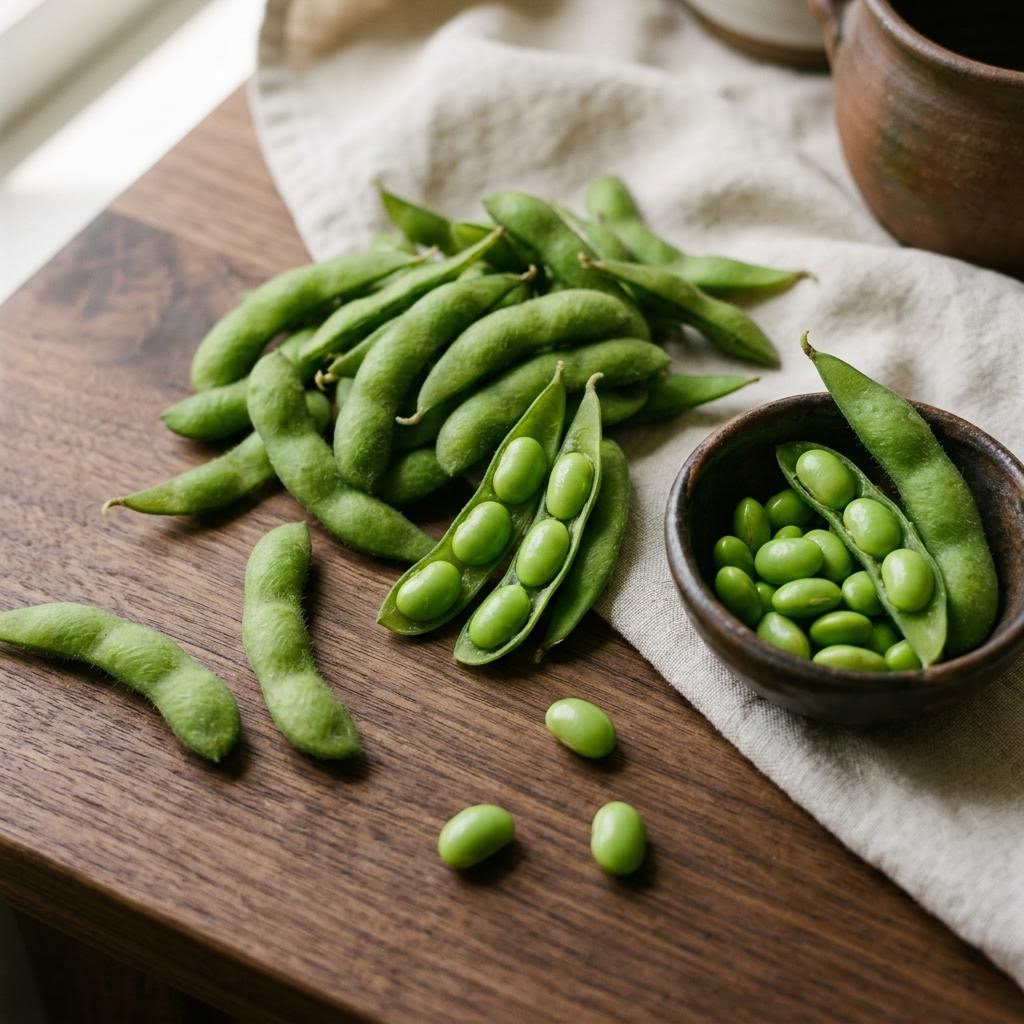
Edamame †
Glycine max
What it may bring: Edamame supplies complete soy protein, fiber, iron and isoflavones. Whole soy foods can support a varied protein pattern and are associated with modest improvements in some cholesterol markers.
Traditional context: Young soybeans are enjoyed in Japanese and wider East Asian food traditions, served simply, blended into dips or added to larger meals.
Try it: Steam frozen edamame, add it to grain bowls or blend it with herbs into a dip. Choose lightly salted versions when sodium is a concern.
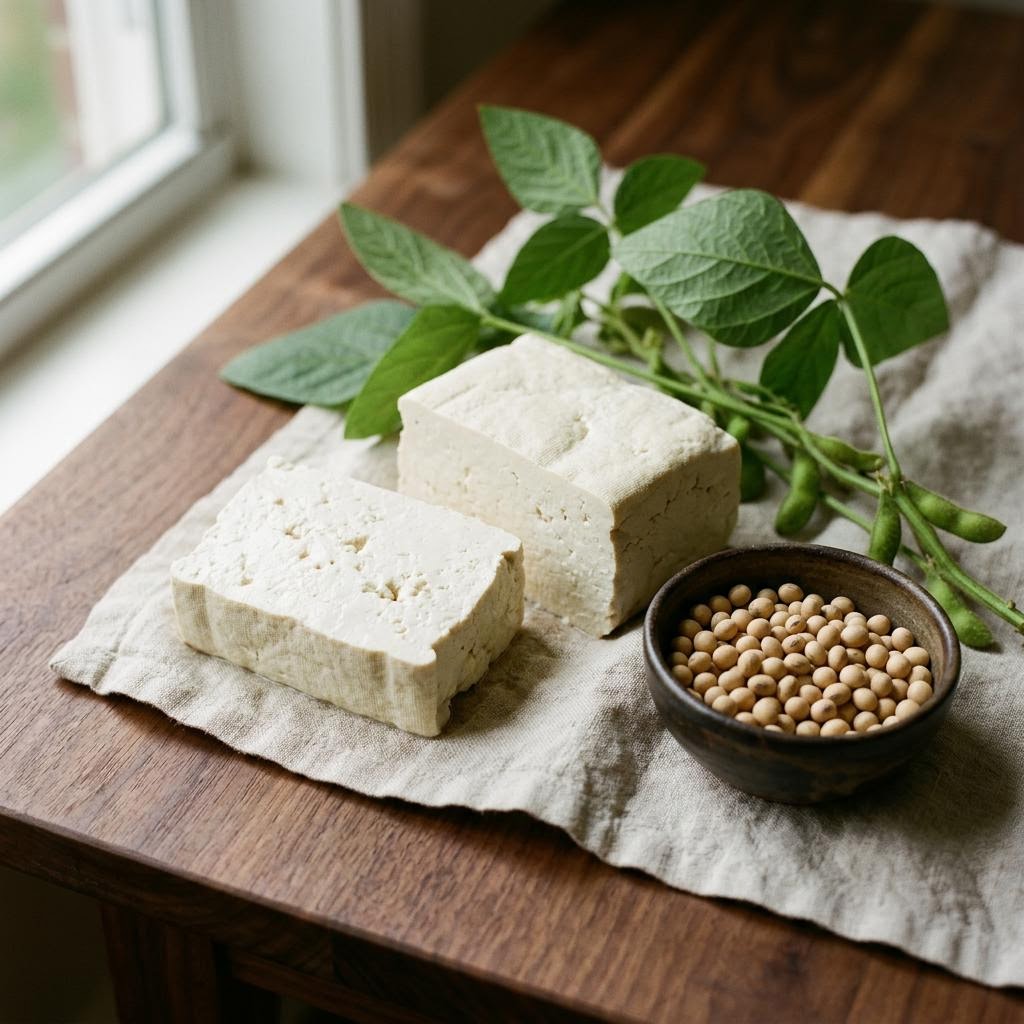
Tofu †
Glycine max
What it may bring: Tofu provides complete soy protein and isoflavones; calcium-set varieties also contribute meaningful calcium. Research on whole soy foods supports their place in heart-conscious, protein-rich eating patterns.
Traditional context: Tofu has deep culinary histories in China, Japan, Korea and across many contemporary kitchens, with textures suited to soups, grills, stir-fries and braises.
Try it: Press firm tofu, then bake, pan-sear or simmer it with a flavorful sauce. Check the label for calcium when that nutrient matters to you.
Safety & considerations
People with soy or legume allergies, kidney disease or medically prescribed protein limits should ask a qualified clinician or dietitian for personal guidance. Increase legumes gradually if digestion is sensitive.
† Small note markers beside ingredient names link to the specific considerations collected below.
- Chickpeas. Legumes can cause digestive discomfort when portions increase quickly. People with a chickpea allergy or kidney-related dietary restrictions should seek individualized guidance.
- Edamame. Avoid soy with a confirmed soy allergy. People taking thyroid medicine should ask a pharmacist about consistent timing rather than eliminating ordinary soy foods without advice.
- Tofu. Avoid tofu with a confirmed soy allergy. Refrigerate opened tofu, cook it safely and ask a clinician about individual protein or mineral restrictions.
Sources reviewed
- FoodData Central — U.S. Department of Agriculture
- Dietary Guidelines for Americans, 2020–2025 — USDA and HHS
Natural Remedies is for general education only. Food and traditional plant use do not diagnose, cure or replace medical care. If you have a diagnosed condition, are pregnant or breastfeeding, or take prescription medicines, speak with a qualified clinician or pharmacist before using concentrated herbal products.