NATURAL REMEDIES / 04 / 6 items
6 Kitchen Allies for Comfortable Digestion
Simple foods and teas traditionally used around the table when digestion needs a little more ease.
A warm cup, fresh ginger, mint or fennel can make a meal feel more settled. These six kitchen allies come from everyday food and tea traditions, each with a different route to comfort.
Where this comes from
Ginger, mint, fennel and chamomile have shared space in household kitchens and tea traditions across Asia, North Africa, the Middle East and Europe. Their aromas, warmth and gentle plant compounds explain why they remain familiar after-meal choices.
What the research suggests
Gingerols and shogaols have the clearest evidence here for certain kinds of nausea. Peppermint oil’s menthol can relax intestinal smooth muscle, oat and fennel fibers add digestive texture, and aromatic teas may make an after-meal pause feel more settled. Tea and culinary portions are milder than standardized extracts studied in trials.
Explore the ingredients
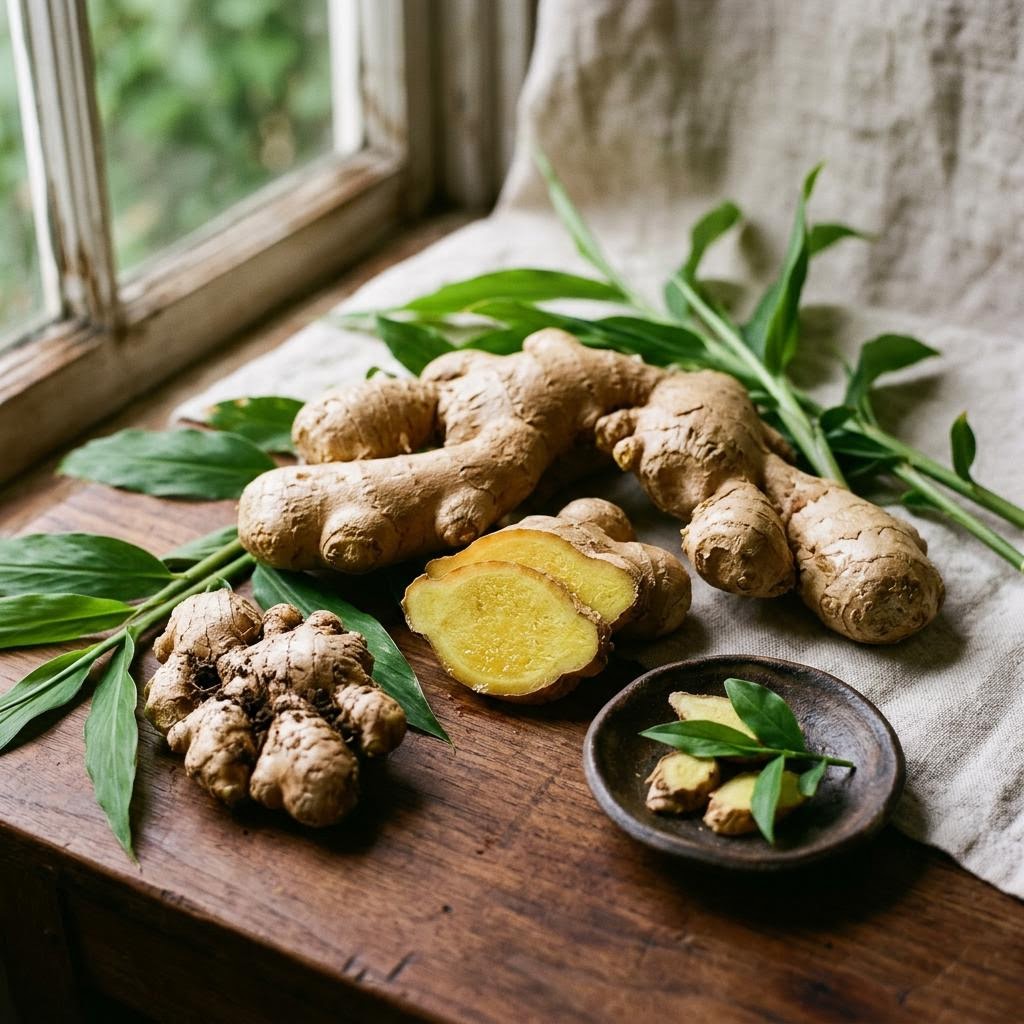
Ginger †
Zingiber officinale
What it may bring: Gingerols and shogaols give ginger its warmth and have been studied for effects on nausea and digestive movement. Evidence is strongest for certain kinds of nausea, with results depending on preparation and dose.
Traditional context: Ginger appears in South Asian, East Asian, Caribbean and many other food and tea traditions, often for warmth, nausea or a sense of settled digestion.
Try it: Steep a few fresh slices in hot water, grate it into a stir-fry, or add it to a soup. Pair with food if it causes heartburn.
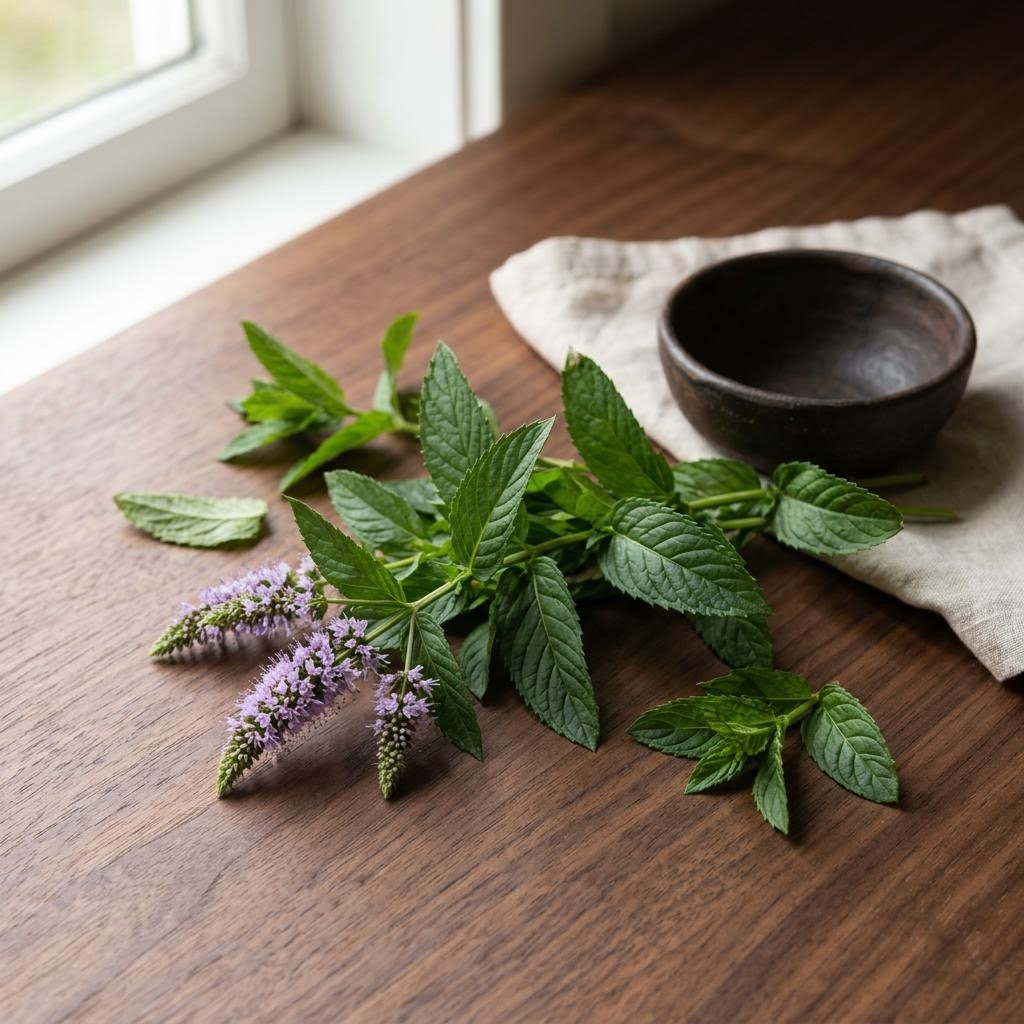
Peppermint †
Mentha × piperita
What it may bring: Peppermint’s menthol-rich oil can relax intestinal smooth muscle. Enteric-coated peppermint oil has evidence for some irritable-bowel symptoms; tea is gentler and is better understood as an aromatic after-meal drink.
Traditional context: Peppermint tea is a familiar after-meal ritual in many homes and sits within wider mint-tea traditions across North Africa, the Middle East and Europe.
Try it: Steep fresh or dried food-grade leaves for a few minutes. Essential oil is much more concentrated and should never be swallowed casually.
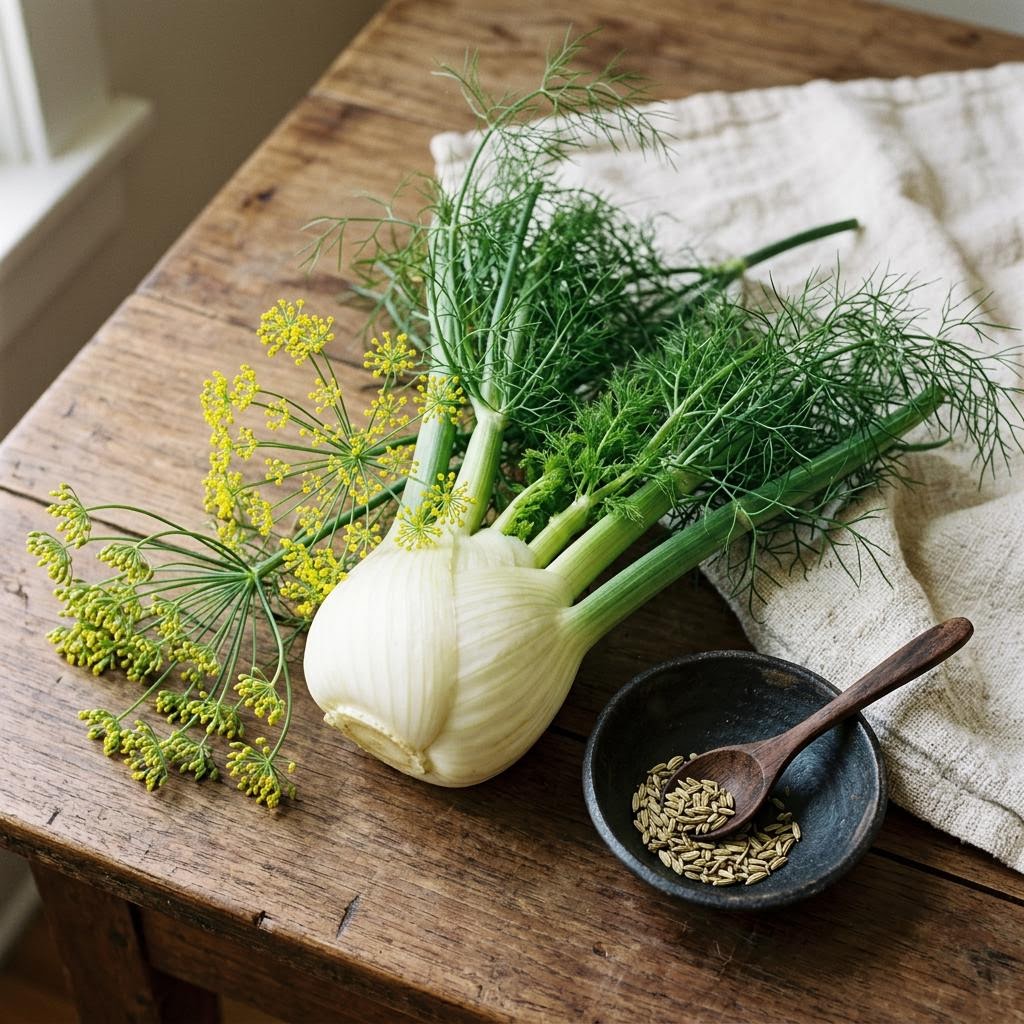
Fennel †
Foeniculum vulgare
What it may bring: Fennel bulb contributes fiber, while its seeds contain the aromatic compound anethole. Traditional after-meal use is longstanding; small studies suggest possible digestive comfort, but direct evidence is limited.
Traditional context: Fennel bulbs and seeds are common in Mediterranean, South Asian and Middle Eastern food and tea traditions, often after meals.
Try it: Roast the bulb, slice it into salads, or steep a small amount of culinary seed after food. Avoid escalating to concentrated oils.
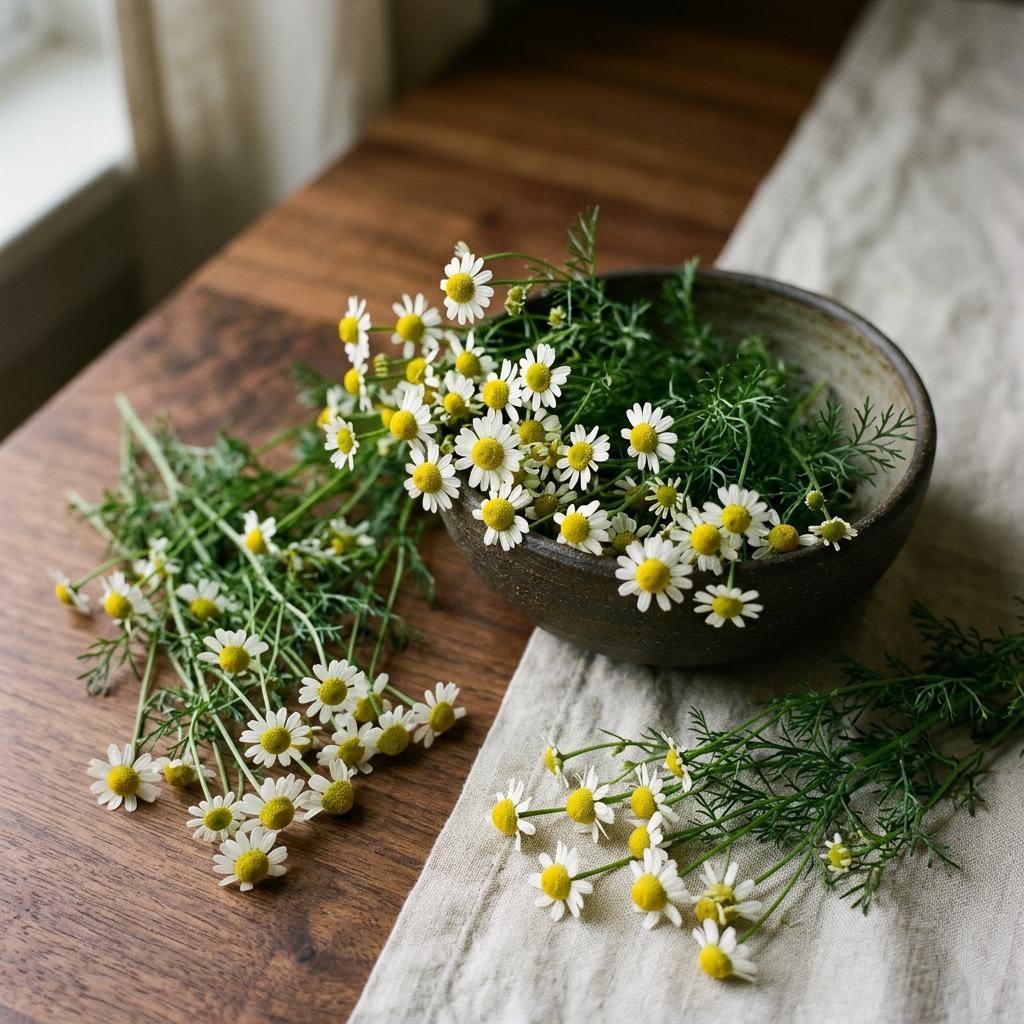
Chamomile †
Matricaria chamomilla
What it may bring: Chamomile contains apigenin and other flavonoids studied for calming activity. Small human studies suggest possible support for relaxation and sleep quality, though findings remain limited.
Traditional context: Chamomile tea has been part of European, West Asian and North African household routines for winding down and settling into the evening.
Try it: Steep a food-grade tea bag or dried flowers in hot water. Let the ritual be the point; do not keep escalating the dose when sleep remains difficult.
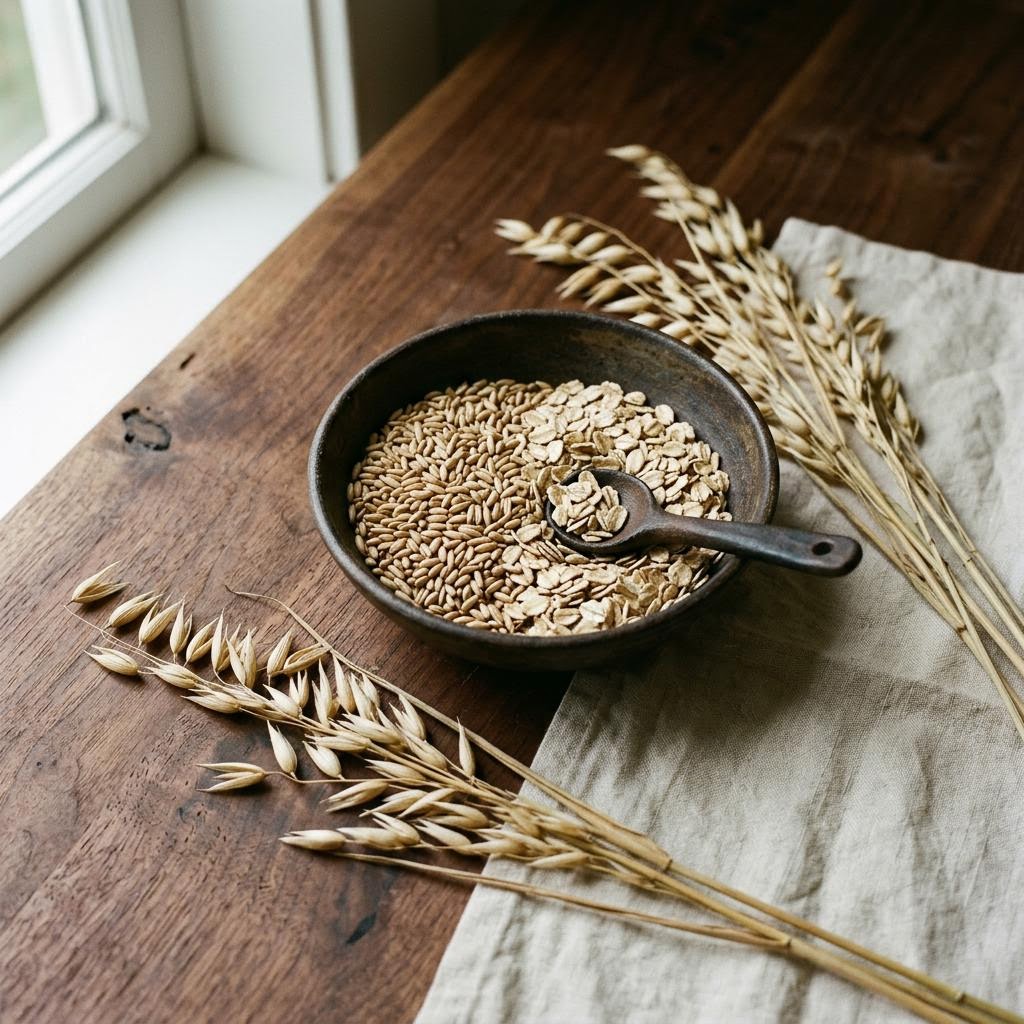
Oats †
Avena sativa
What it may bring: Oat beta-glucan forms a viscous fiber that slows digestion and helps carry bile acids from the body. Regular intake has established evidence for supporting healthy LDL-cholesterol patterns and contributes to digestive regularity.
Traditional context: Oats have been a staple grain in northern European food traditions and remain a practical base for breakfast, baking and everyday nourishment.
Try it: Try porridge, overnight oats, oat-based baking or a blended breakfast. Increase fiber gradually and drink enough fluid.
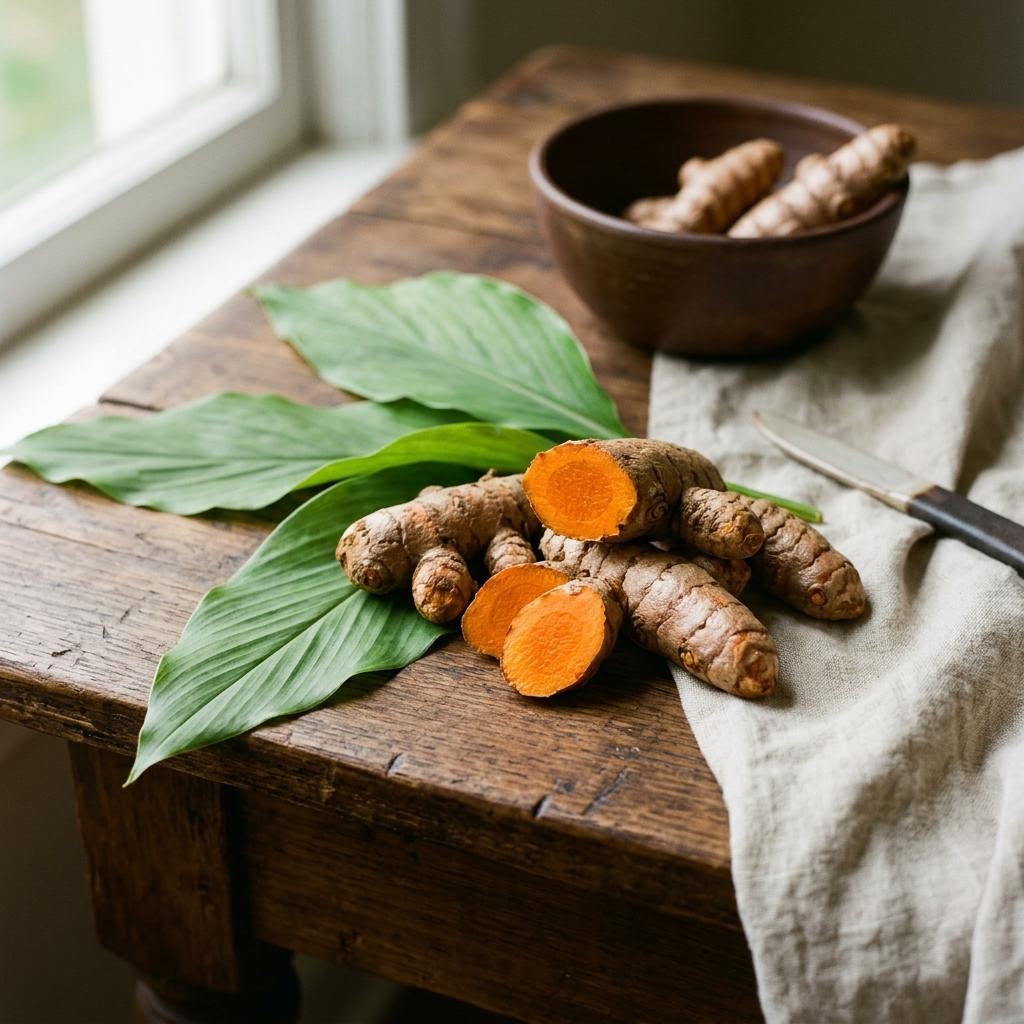
Turmeric †
Curcuma longa
What it may bring: Turmeric’s curcuminoids interact with several inflammatory-signaling pathways in laboratory research. Human studies suggest possible help with some forms of joint discomfort, but absorption and results vary widely by formulation.
Traditional context: Turmeric is a culinary staple in South Asian and Southeast Asian foodways and appears in drinks, spice blends and traditional preparations such as haldi and jamu.
Try it: Use it in lentils, rice, roasted vegetables or a warm milk drink. Black pepper and fats are often paired with it in cooking, but more absorption is not automatically better.
Safety & considerations
Talk with a clinician about persistent pain, blood in stool, weight loss, repeated vomiting or swallowing problems. Reflux, gallbladder conditions and prescription medicines can change what is appropriate.
† Small note markers beside ingredient names link to the specific considerations collected below.
- Ginger. Concentrated ginger can worsen heartburn and may increase bleeding risk with anticoagulants. People with gallstone disease, pregnancy-related nausea, or regular medicines should ask a clinician about supplement doses.
- Peppermint. Peppermint can worsen reflux. Do not give essential oil by mouth to infants or young children, and ask a pharmacist about interactions if using concentrated products.
- Fennel. Fennel may interact with estrogen-sensitive conditions or medicines and can cause allergy. Medicinal doses need clinician advice during pregnancy, breastfeeding or with anticoagulants.
- Chamomile. People sensitive to ragweed or daisies may react. It can interact with sedatives and anticoagulants; ask a clinician before regular concentrated use in pregnancy or breastfeeding.
- Oats. Choose certified gluten-free oats for diagnosed celiac disease. Fiber can affect absorption of some medicines, so separate high-fiber meals from medicines when a pharmacist recommends it.
- Turmeric. High-dose extracts may interact with anticoagulants and may be inappropriate with gallbladder or bile-duct problems. Avoid concentrated products during pregnancy unless a qualified clinician recommends them.
Sources reviewed
- Ginger — National Center for Complementary and Integrative Health
- Peppermint Oil — National Center for Complementary and Integrative Health
- Chamomile — National Center for Complementary and Integrative Health
- Turmeric — National Center for Complementary and Integrative Health
Natural Remedies is for general education only. Food and traditional plant use do not diagnose, cure or replace medical care. If you have a diagnosed condition, are pregnant or breastfeeding, or take prescription medicines, speak with a qualified clinician or pharmacist before using concentrated herbal products.