NATURAL REMEDIES / 06 / 9 items
9 Ideas for Gut-Friendly Nourishment
A generous, food-first list for fiber, plant variety and the everyday rituals that help digestion feel less like a project.
A welcoming gut routine grows from variety, gradual fiber, enough fluid and attention to what feels good. These nine foods and plants make that pattern easier to assemble.
Where this comes from
Oats, flax, fennel, garlic and chamomile have long moved between staple food and household tradition. Together they show several gentle routes to nourishment: fermentable fiber, texture, aromatic flavor, fluids and the pleasure of a meal made slowly enough to notice.
What the research suggests
Oat beta-glucan, flax mucilage and artichoke inulin are fermentable or gel-forming fibers that can support stool texture and feed parts of the gut microbiome. Ginger and peppermint act through different digestive pathways, while fennel, chamomile and turmeric contribute aromatic compounds with more limited human evidence.
Explore the ingredients
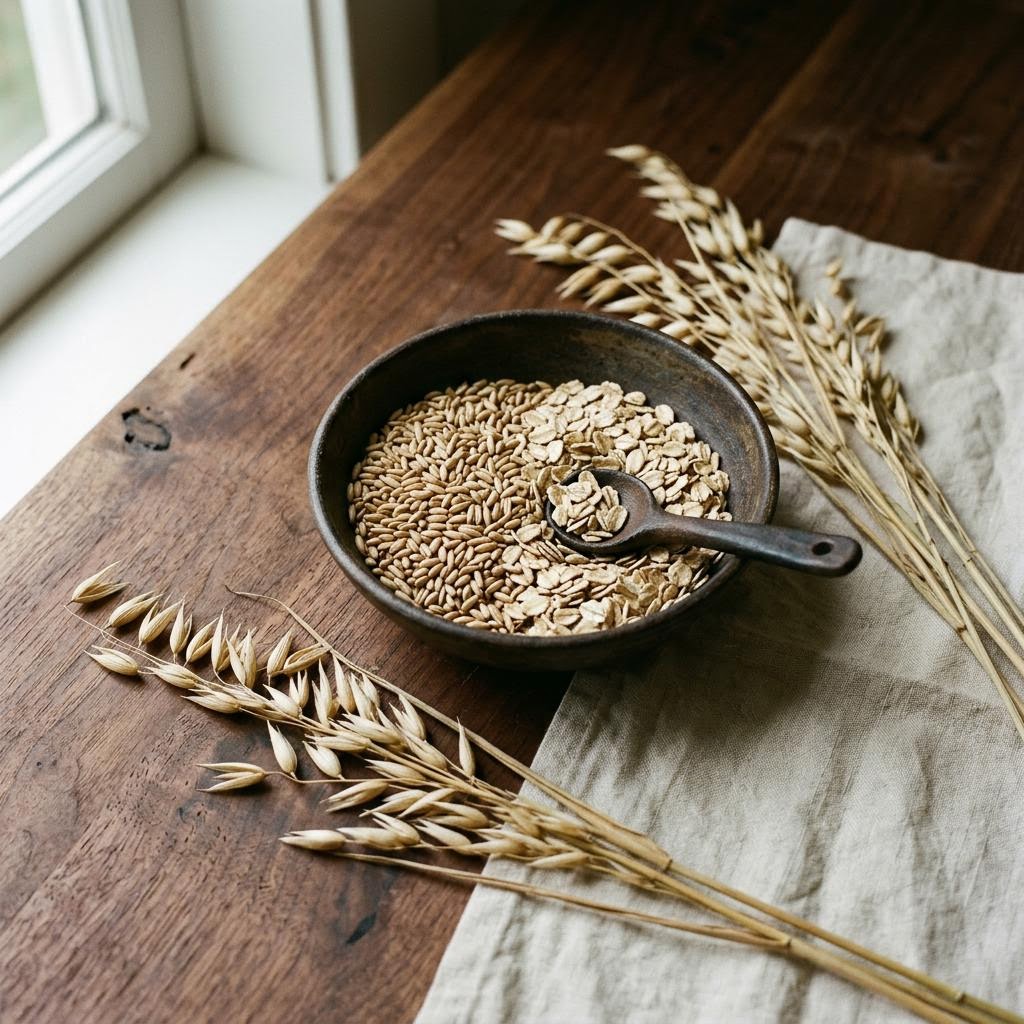
Oats †
Avena sativa
What it may bring: Oat beta-glucan forms a viscous fiber that slows digestion and helps carry bile acids from the body. Regular intake has established evidence for supporting healthy LDL-cholesterol patterns and contributes to digestive regularity.
Traditional context: Oats have been a staple grain in northern European food traditions and remain a practical base for breakfast, baking and everyday nourishment.
Try it: Try porridge, overnight oats, oat-based baking or a blended breakfast. Increase fiber gradually and drink enough fluid.
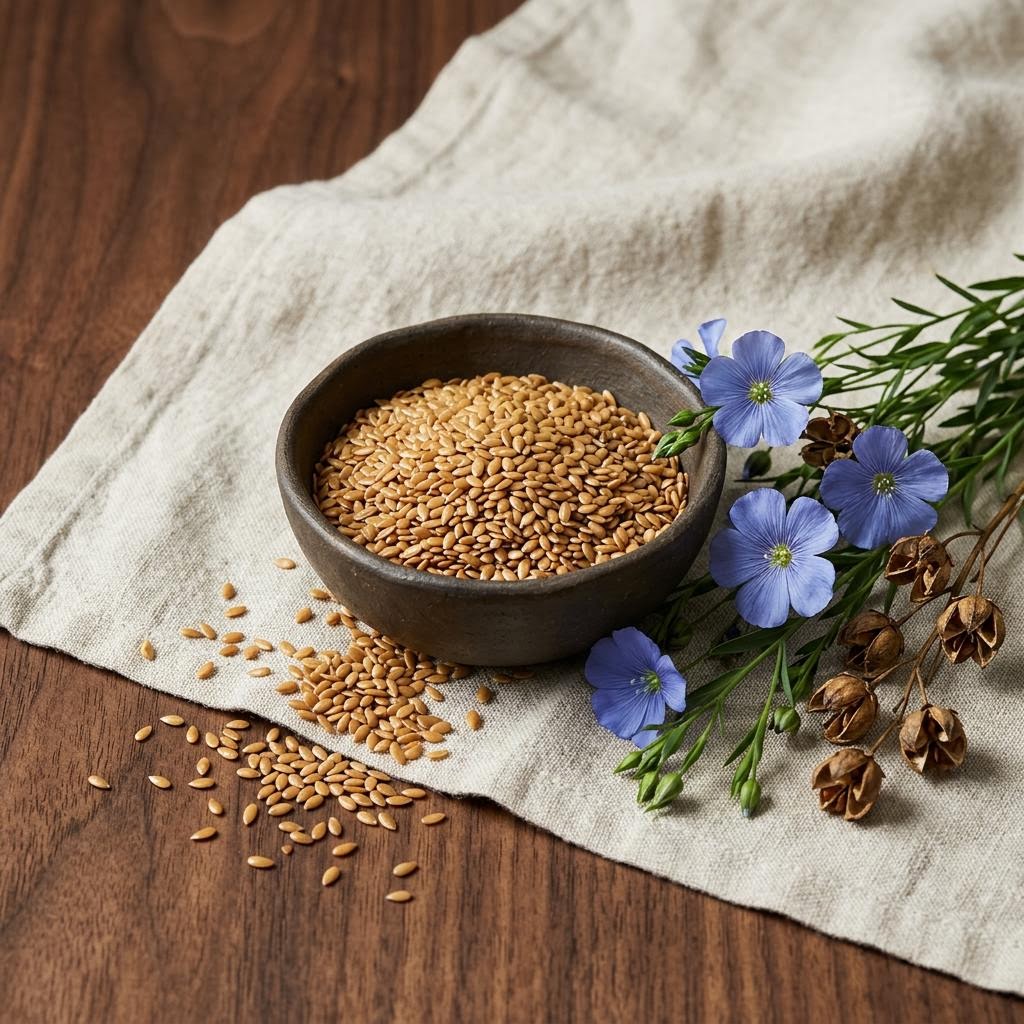
Flaxseed †
Linum usitatissimum
What it may bring: Ground flax supplies soluble and insoluble fiber, lignans and the plant omega-3 fat ALA. Research suggests regular intake can support bowel regularity and modestly improve some cholesterol and blood-pressure markers.
Traditional context: Flax has been grown for fiber, oil and food across Europe, Asia and the Mediterranean, with ground seed becoming a familiar pantry ingredient.
Try it: Use freshly ground seed in oats, yogurt, smoothies or baking, with water alongside it. Whole seeds often pass through undigested.
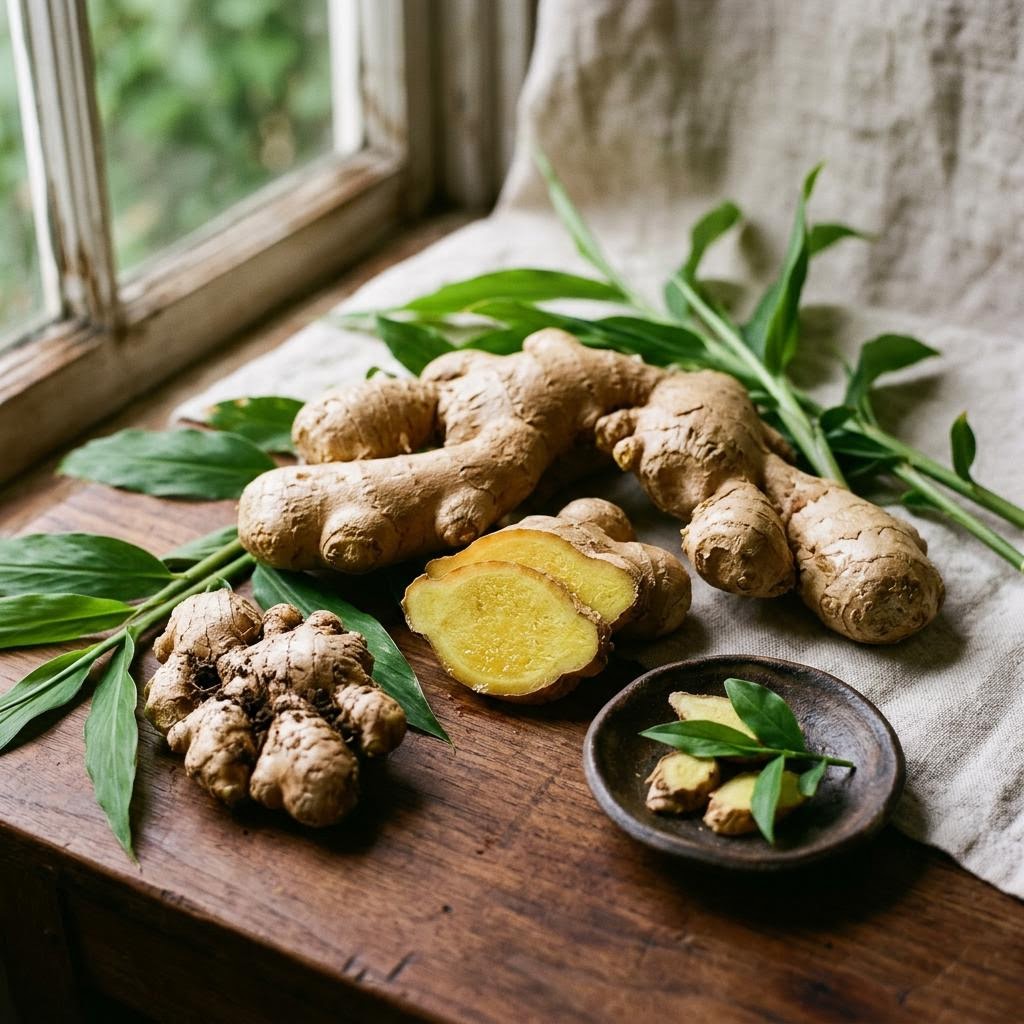
Ginger †
Zingiber officinale
What it may bring: Gingerols and shogaols give ginger its warmth and have been studied for effects on nausea and digestive movement. Evidence is strongest for certain kinds of nausea, with results depending on preparation and dose.
Traditional context: Ginger appears in South Asian, East Asian, Caribbean and many other food and tea traditions, often for warmth, nausea or a sense of settled digestion.
Try it: Steep a few fresh slices in hot water, grate it into a stir-fry, or add it to a soup. Pair with food if it causes heartburn.
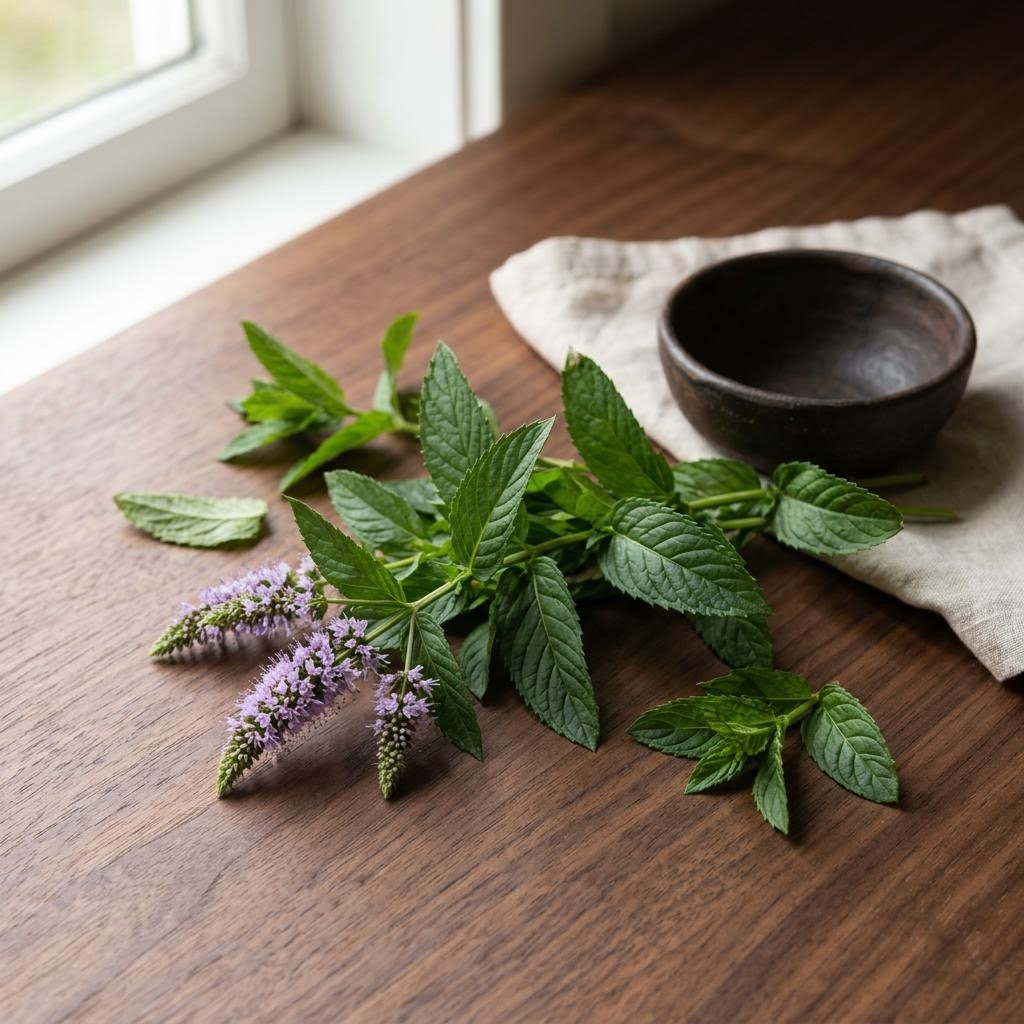
Peppermint †
Mentha × piperita
What it may bring: Peppermint’s menthol-rich oil can relax intestinal smooth muscle. Enteric-coated peppermint oil has evidence for some irritable-bowel symptoms; tea is gentler and is better understood as an aromatic after-meal drink.
Traditional context: Peppermint tea is a familiar after-meal ritual in many homes and sits within wider mint-tea traditions across North Africa, the Middle East and Europe.
Try it: Steep fresh or dried food-grade leaves for a few minutes. Essential oil is much more concentrated and should never be swallowed casually.
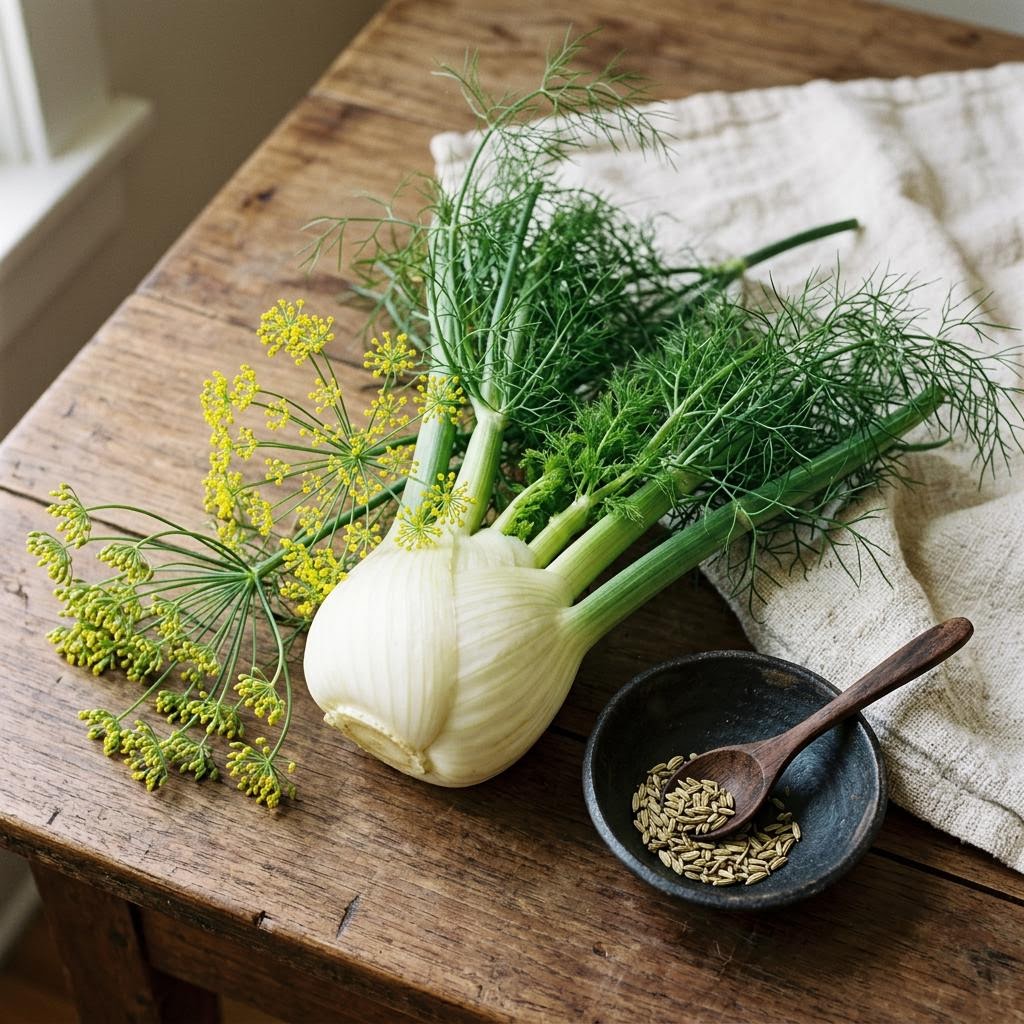
Fennel †
Foeniculum vulgare
What it may bring: Fennel bulb contributes fiber, while its seeds contain the aromatic compound anethole. Traditional after-meal use is longstanding; small studies suggest possible digestive comfort, but direct evidence is limited.
Traditional context: Fennel bulbs and seeds are common in Mediterranean, South Asian and Middle Eastern food and tea traditions, often after meals.
Try it: Roast the bulb, slice it into salads, or steep a small amount of culinary seed after food. Avoid escalating to concentrated oils.
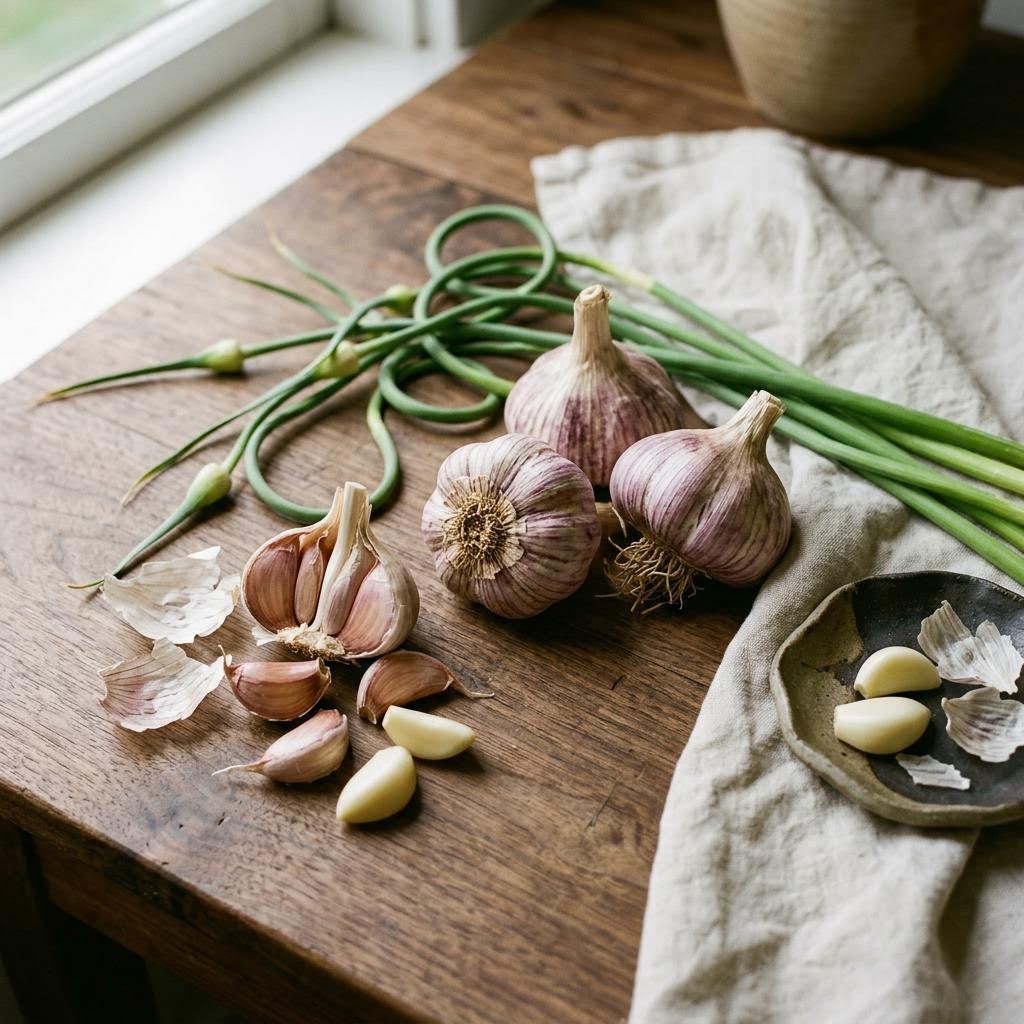
Garlic †
Allium sativum
What it may bring: Cut or crushed garlic forms organosulfur compounds, including allicin-related compounds. Studies of garlic preparations suggest modest effects on some blood-pressure and cholesterol markers, while ordinary garlic also brings depth to vegetable-rich meals.
Traditional context: Garlic is both a food and a household ingredient in cuisines across the Mediterranean, Asia, Africa and the Americas, where it has also carried long-standing traditional wellness uses.
Try it: Add fresh garlic to beans, soups, sauces and roasted vegetables. Food amounts are gentler and less concentrated than capsules or aged-garlic extracts.
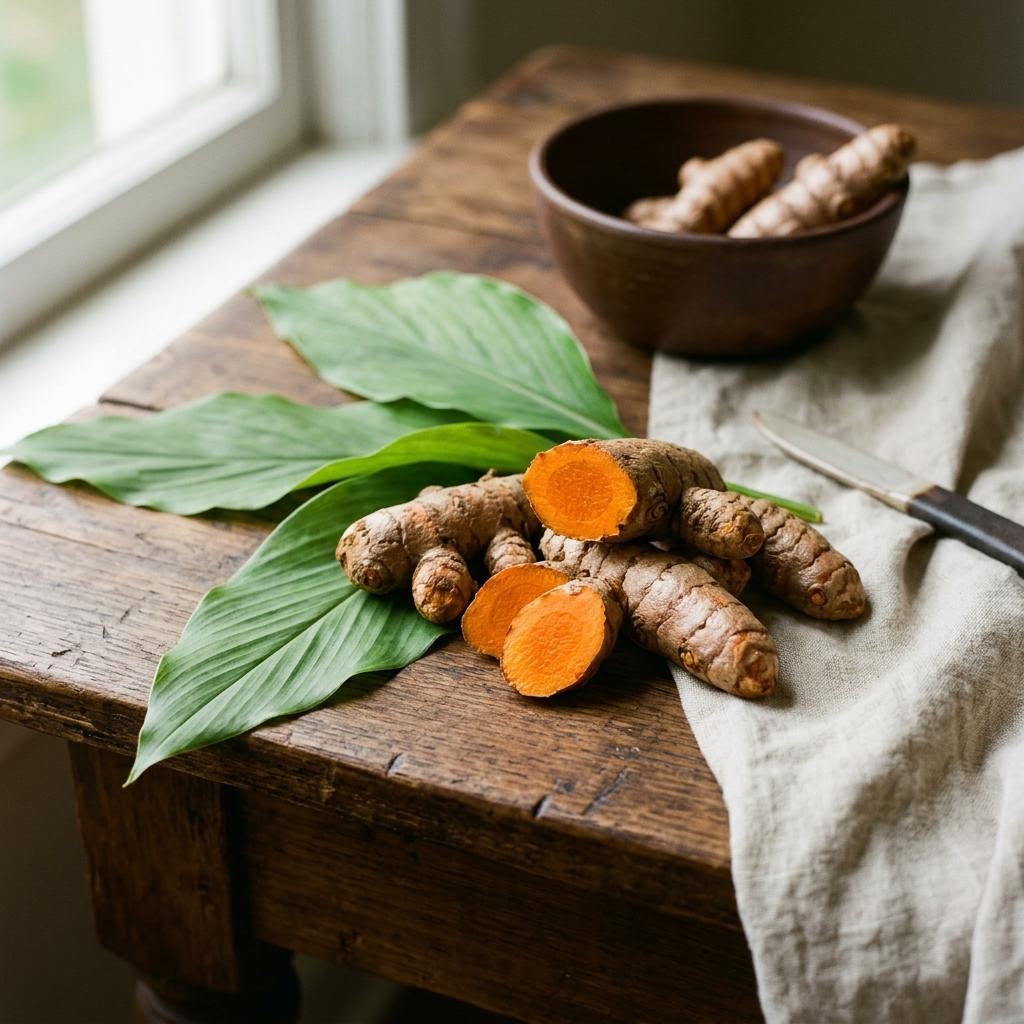
Turmeric †
Curcuma longa
What it may bring: Turmeric’s curcuminoids interact with several inflammatory-signaling pathways in laboratory research. Human studies suggest possible help with some forms of joint discomfort, but absorption and results vary widely by formulation.
Traditional context: Turmeric is a culinary staple in South Asian and Southeast Asian foodways and appears in drinks, spice blends and traditional preparations such as haldi and jamu.
Try it: Use it in lentils, rice, roasted vegetables or a warm milk drink. Black pepper and fats are often paired with it in cooking, but more absorption is not automatically better.
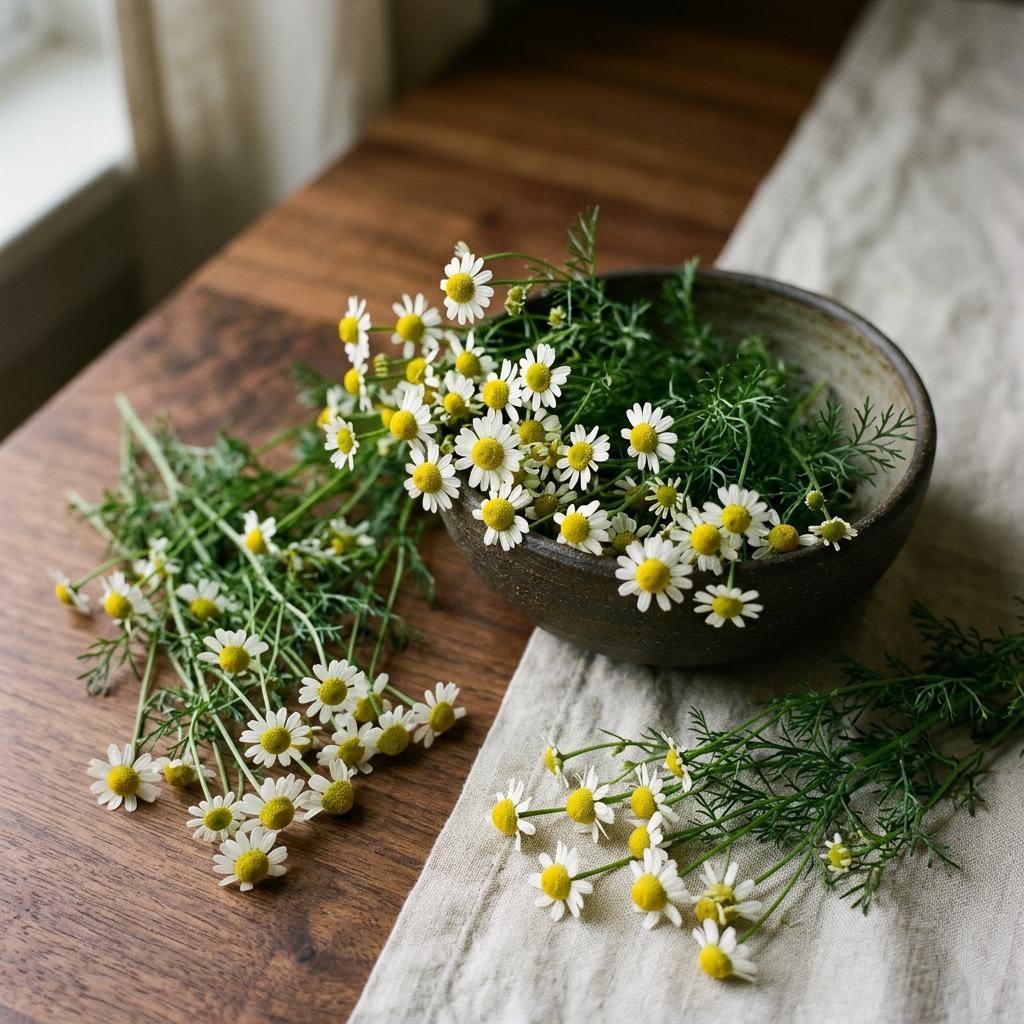
Chamomile †
Matricaria chamomilla
What it may bring: Chamomile contains apigenin and other flavonoids studied for calming activity. Small human studies suggest possible support for relaxation and sleep quality, though findings remain limited.
Traditional context: Chamomile tea has been part of European, West Asian and North African household routines for winding down and settling into the evening.
Try it: Steep a food-grade tea bag or dried flowers in hot water. Let the ritual be the point; do not keep escalating the dose when sleep remains difficult.
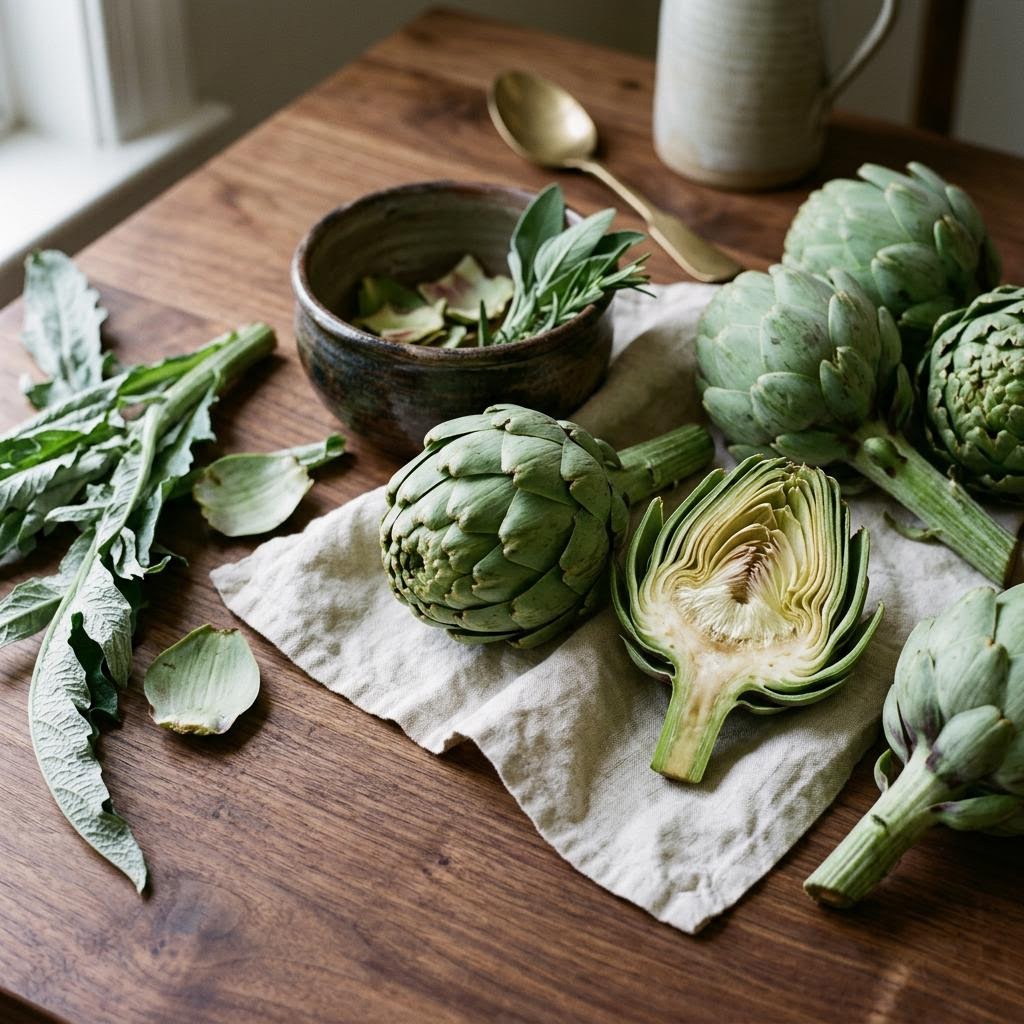
Artichoke †
Cynara scolymus
What it may bring: Artichoke provides fiber and inulin, while leaf extracts contain caffeoylquinic compounds studied for bile flow, digestive comfort and cholesterol markers. Some trials are encouraging, but extracts differ and evidence remains mixed.
Traditional context: Artichoke is a Mediterranean food with a long culinary history, while bitter-leaf preparations have also appeared in traditional digestive routines.
Try it: Steam or roast the hearts and add them to salads, grains or beans. Supplements and leaf extracts are more concentrated than food.
Safety & considerations
Increase fiber slowly. Ask a clinician about persistent diarrhea, constipation, pain, blood in stool, unexplained weight change or symptoms that started after a medicine.
† Small note markers beside ingredient names link to the specific considerations collected below.
- Oats. Choose certified gluten-free oats for diagnosed celiac disease. Fiber can affect absorption of some medicines, so separate high-fiber meals from medicines when a pharmacist recommends it.
- Flaxseed. Increase slowly to avoid bloating. Flax may affect blood sugar, blood pressure and absorption of oral medicines; avoid raw or unripe seed and ask a clinician about high-dose use in pregnancy.
- Ginger. Concentrated ginger can worsen heartburn and may increase bleeding risk with anticoagulants. People with gallstone disease, pregnancy-related nausea, or regular medicines should ask a clinician about supplement doses.
- Peppermint. Peppermint can worsen reflux. Do not give essential oil by mouth to infants or young children, and ask a pharmacist about interactions if using concentrated products.
- Fennel. Fennel may interact with estrogen-sensitive conditions or medicines and can cause allergy. Medicinal doses need clinician advice during pregnancy, breastfeeding or with anticoagulants.
- Garlic. Large supplemental doses may increase bleeding risk and can interact with anticoagulants, antiplatelet medicines and some HIV medicines. Stop concentrated supplements before surgery only with clinician guidance.
- Turmeric. High-dose extracts may interact with anticoagulants and may be inappropriate with gallbladder or bile-duct problems. Avoid concentrated products during pregnancy unless a qualified clinician recommends them.
- Chamomile. People sensitive to ragweed or daisies may react. It can interact with sedatives and anticoagulants; ask a clinician before regular concentrated use in pregnancy or breastfeeding.
- Artichoke. Avoid concentrated artichoke products with bile-duct obstruction or allergy to daisies. Ask a clinician about medicines and pregnancy before using an extract.
Sources reviewed
- Peppermint Oil — National Center for Complementary and Integrative Health
- Ginger — National Center for Complementary and Integrative Health
- Flaxseed and Flaxseed Oil — National Center for Complementary and Integrative Health
- FoodData Central — U.S. Department of Agriculture
Natural Remedies is for general education only. Food and traditional plant use do not diagnose, cure or replace medical care. If you have a diagnosed condition, are pregnant or breastfeeding, or take prescription medicines, speak with a qualified clinician or pharmacist before using concentrated herbal products.