NATURAL REMEDIES / 10 / 9 items
9 Foods for a Healthy Inflammation Response
A colorful, whole-food route toward meals associated with a steadier inflammatory balance.
Colorful plants, herbs, fiber and unsaturated fats give everyday meals a nourishing way to support the body’s normal inflammatory balance. These nine foods are a starting palette, not a prescription.
Where this comes from
Turmeric, ginger, rosemary, garlic and saffron have traveled through South Asian, Middle Eastern, Mediterranean and other food traditions as color, fragrance and flavor. Their plant compounds are interesting, but the broader pattern—plants, fiber and satisfying fats—is the steadier story.
What the research suggests
Turmeric curcuminoids, gingerols, tea catechins, berry anthocyanins and rosemary or garlic compounds interact with oxidative and inflammatory pathways in research. Human findings vary by dose and preparation, while the strongest evidence remains an overall pattern rich in colorful plants, fiber and unsaturated fats.
Explore the ingredients
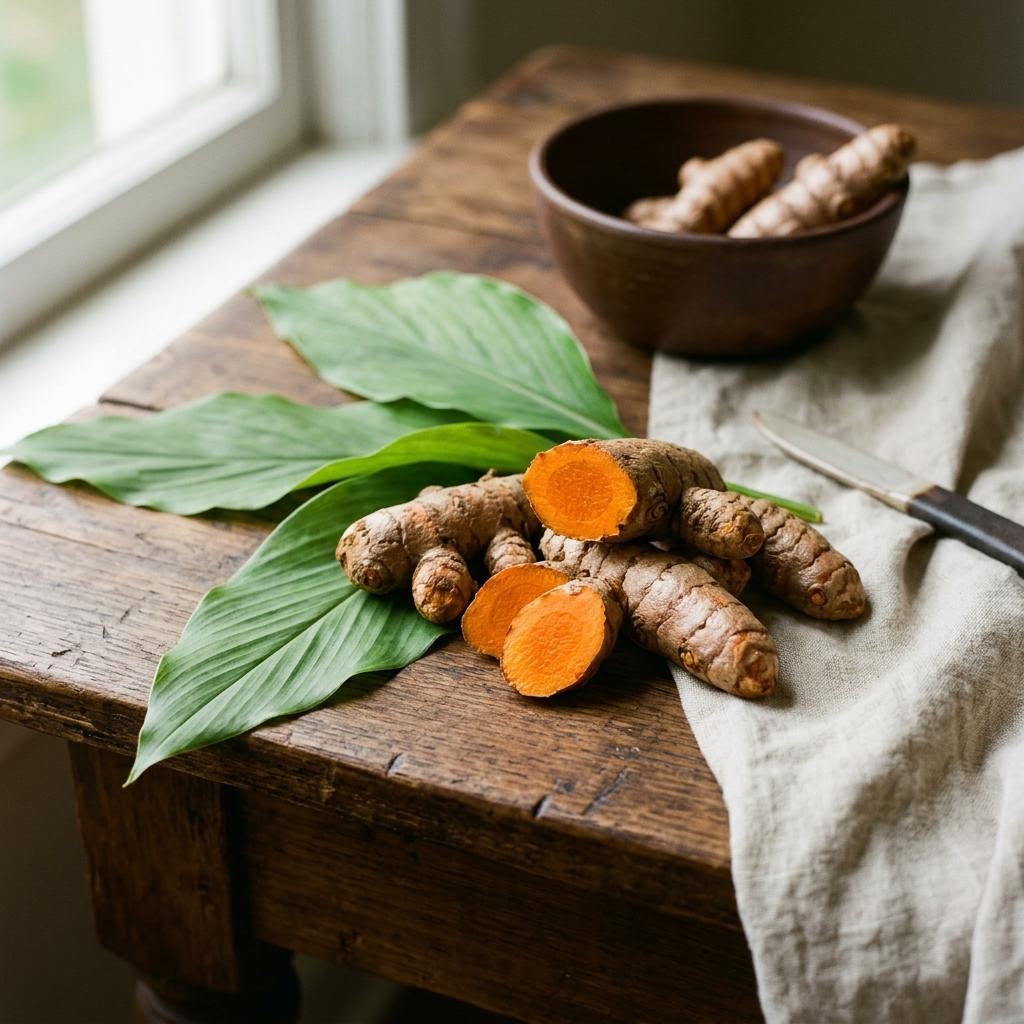
Turmeric †
Curcuma longa
What it may bring: Turmeric’s curcuminoids interact with several inflammatory-signaling pathways in laboratory research. Human studies suggest possible help with some forms of joint discomfort, but absorption and results vary widely by formulation.
Traditional context: Turmeric is a culinary staple in South Asian and Southeast Asian foodways and appears in drinks, spice blends and traditional preparations such as haldi and jamu.
Try it: Use it in lentils, rice, roasted vegetables or a warm milk drink. Black pepper and fats are often paired with it in cooking, but more absorption is not automatically better.
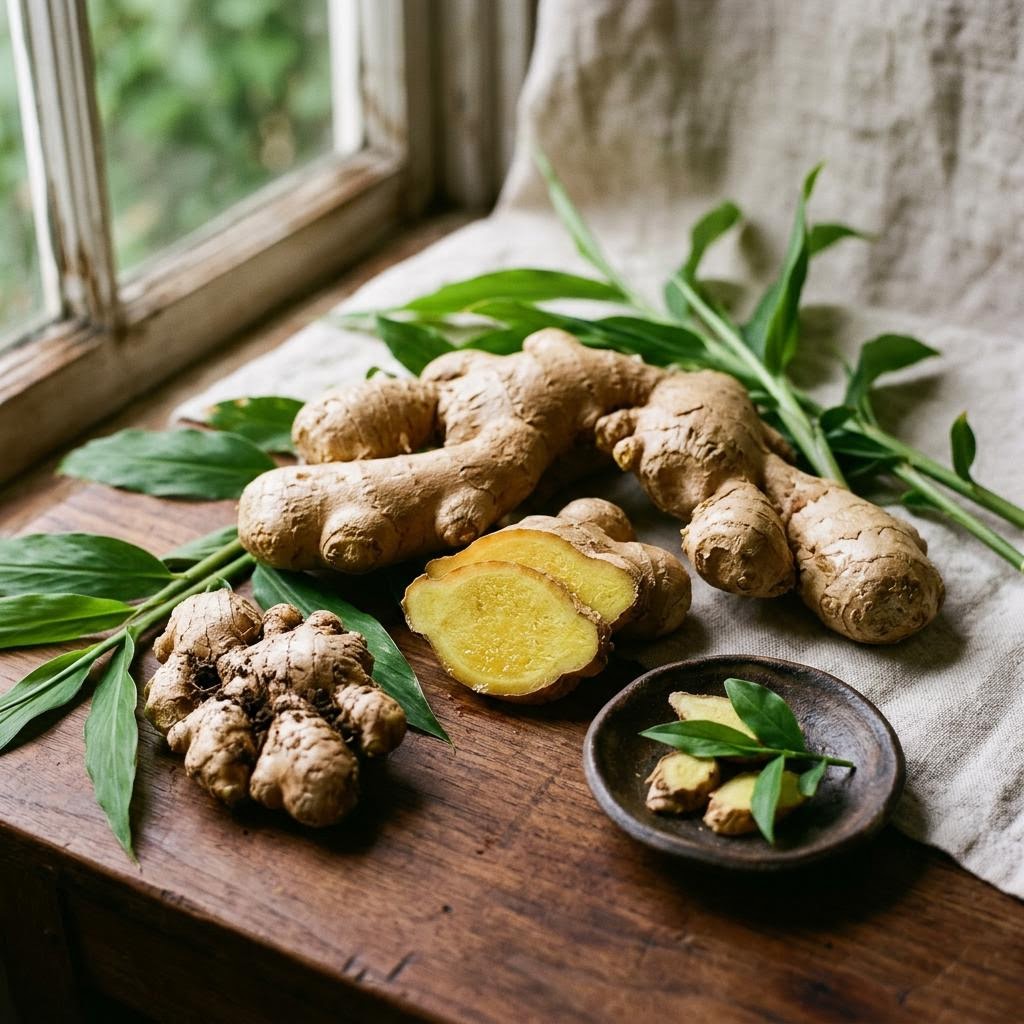
Ginger †
Zingiber officinale
What it may bring: Gingerols and shogaols give ginger its warmth and have been studied for effects on nausea and digestive movement. Evidence is strongest for certain kinds of nausea, with results depending on preparation and dose.
Traditional context: Ginger appears in South Asian, East Asian, Caribbean and many other food and tea traditions, often for warmth, nausea or a sense of settled digestion.
Try it: Steep a few fresh slices in hot water, grate it into a stir-fry, or add it to a soup. Pair with food if it causes heartburn.
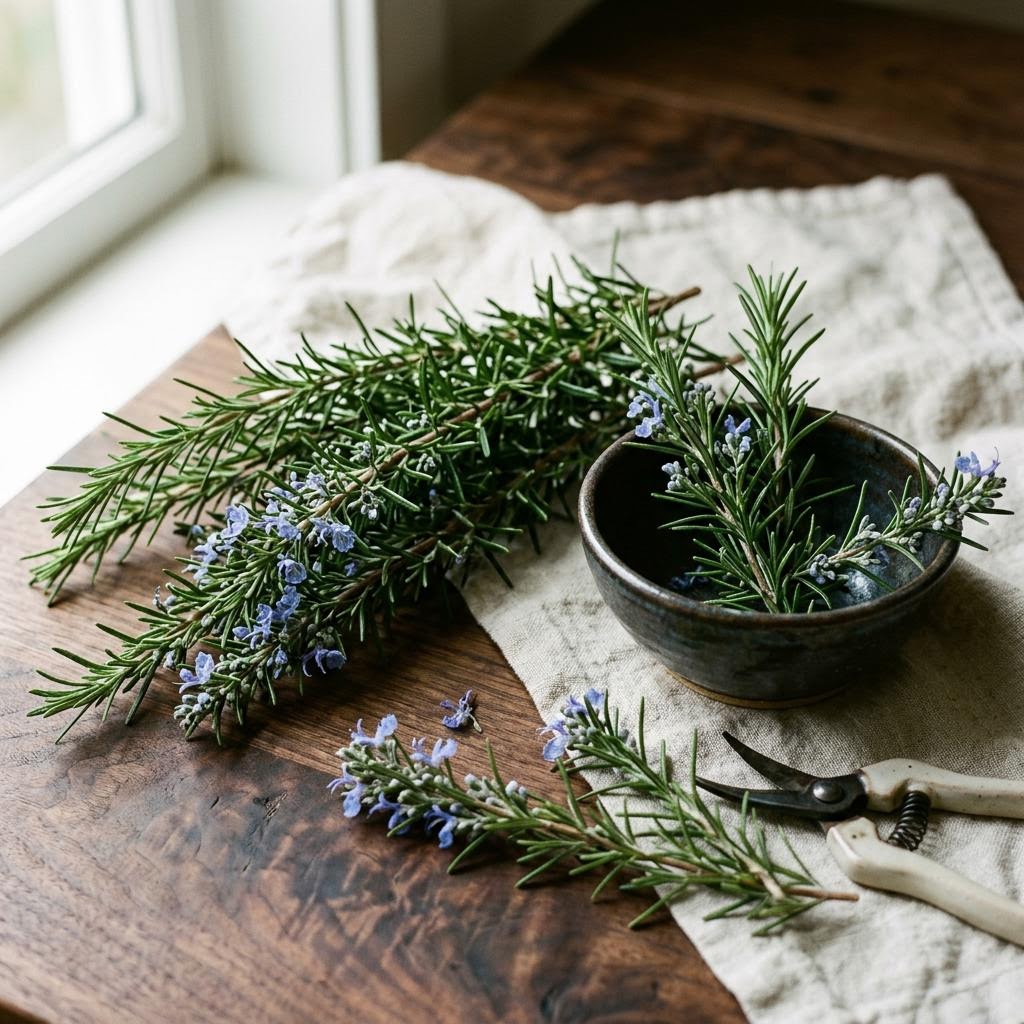
Rosemary †
Salvia rosmarinus
What it may bring: Rosemary contains rosmarinic acid and carnosic acid, antioxidant compounds studied largely in laboratory settings. Small human studies have explored attention and digestion, while culinary use remains the best-established role.
Traditional context: Rosemary is a Mediterranean culinary herb with histories in food, fragrance and household ritual.
Try it: Add fresh or dried leaves to beans, potatoes, soups and roasted vegetables. Use rosemary tea as an occasional beverage, not a concentrated oil.
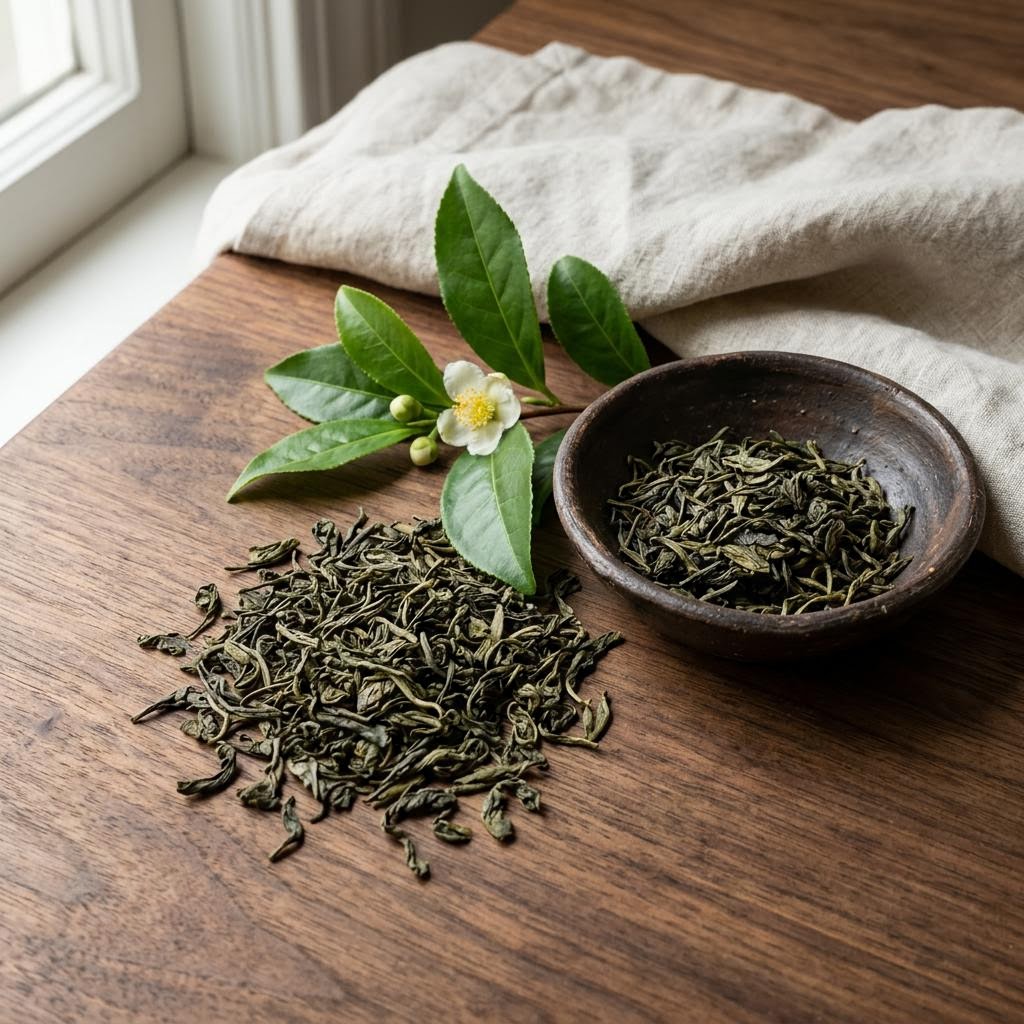
Green Tea †
Camellia sinensis
What it may bring: Green tea provides catechins such as EGCG along with caffeine and L-theanine. Regular unsweetened tea intake is associated with modest cardiovascular and metabolic markers, while the balance of alertness and calm varies with caffeine sensitivity.
Traditional context: Green tea has deep cultural histories in China, Japan, Korea, North Africa and elsewhere, where brewing and sharing the cup matter as much as the leaves.
Try it: Steep leaves briefly in hot rather than boiling water. Keep caffeine in mind, especially later in the day, and do not treat green-tea extract as a stronger cup.

Tart Cherry †
Prunus cerasus
What it may bring: Tart cherries provide anthocyanins and small amounts of melatonin. Studies of juice and concentrate suggest modest possible effects on exercise recovery and some sleep measures, with results varying by product and dose.
Traditional context: Tart cherries are a food used in preserves, drinks and regional desserts, while concentrated juice has become popular in exercise and sleep research.
Try it: Choose whole fruit or dilute a small amount of unsweetened juice with meals. Treat concentrates as supplements, not everyday hydration.
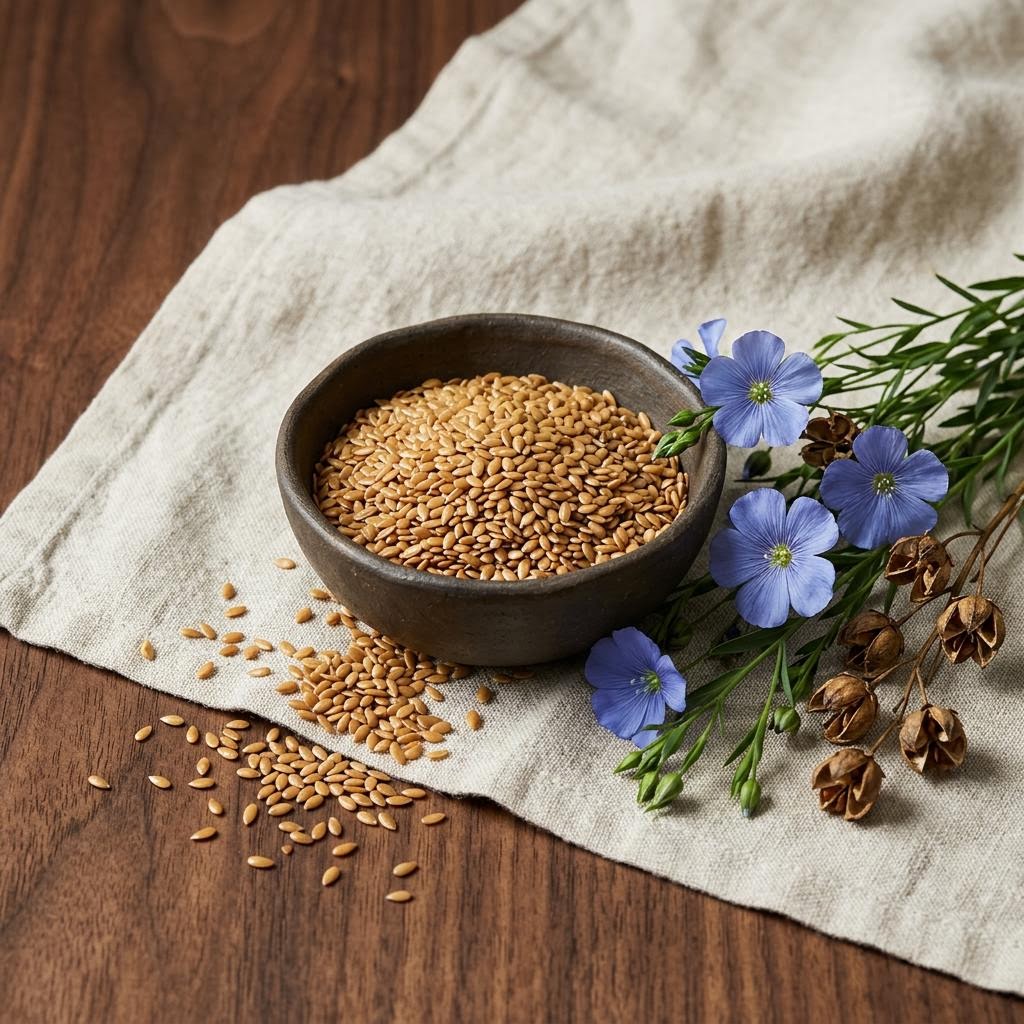
Flaxseed †
Linum usitatissimum
What it may bring: Ground flax supplies soluble and insoluble fiber, lignans and the plant omega-3 fat ALA. Research suggests regular intake can support bowel regularity and modestly improve some cholesterol and blood-pressure markers.
Traditional context: Flax has been grown for fiber, oil and food across Europe, Asia and the Mediterranean, with ground seed becoming a familiar pantry ingredient.
Try it: Use freshly ground seed in oats, yogurt, smoothies or baking, with water alongside it. Whole seeds often pass through undigested.
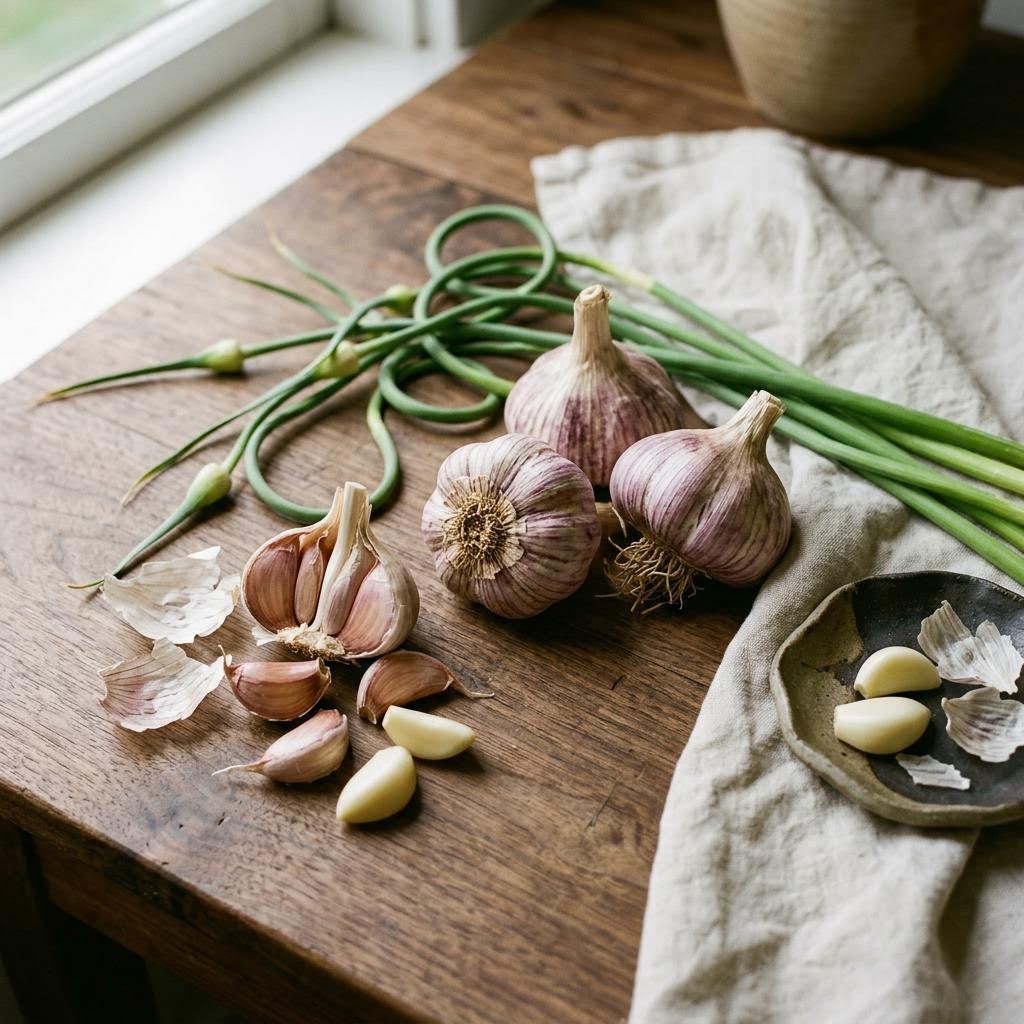
Garlic †
Allium sativum
What it may bring: Cut or crushed garlic forms organosulfur compounds, including allicin-related compounds. Studies of garlic preparations suggest modest effects on some blood-pressure and cholesterol markers, while ordinary garlic also brings depth to vegetable-rich meals.
Traditional context: Garlic is both a food and a household ingredient in cuisines across the Mediterranean, Asia, Africa and the Americas, where it has also carried long-standing traditional wellness uses.
Try it: Add fresh garlic to beans, soups, sauces and roasted vegetables. Food amounts are gentler and less concentrated than capsules or aged-garlic extracts.
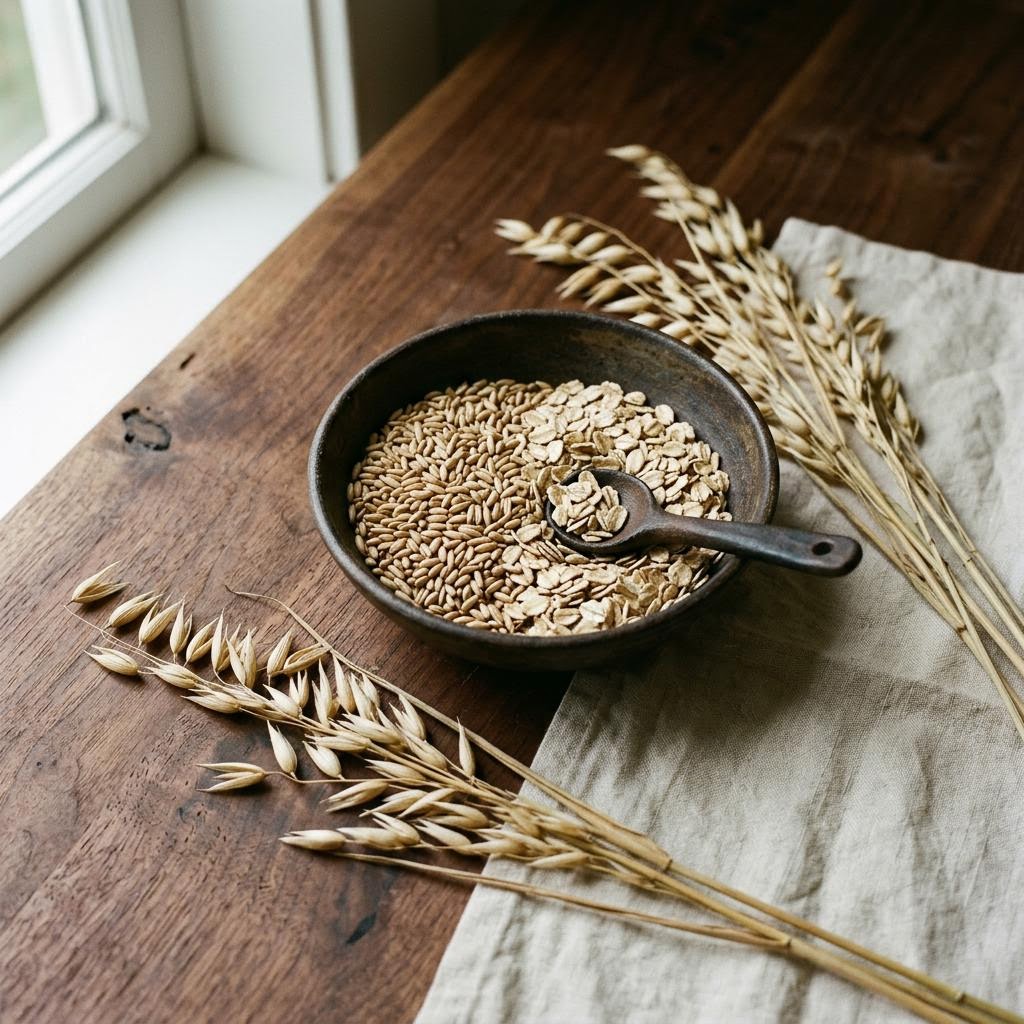
Oats †
Avena sativa
What it may bring: Oat beta-glucan forms a viscous fiber that slows digestion and helps carry bile acids from the body. Regular intake has established evidence for supporting healthy LDL-cholesterol patterns and contributes to digestive regularity.
Traditional context: Oats have been a staple grain in northern European food traditions and remain a practical base for breakfast, baking and everyday nourishment.
Try it: Try porridge, overnight oats, oat-based baking or a blended breakfast. Increase fiber gradually and drink enough fluid.
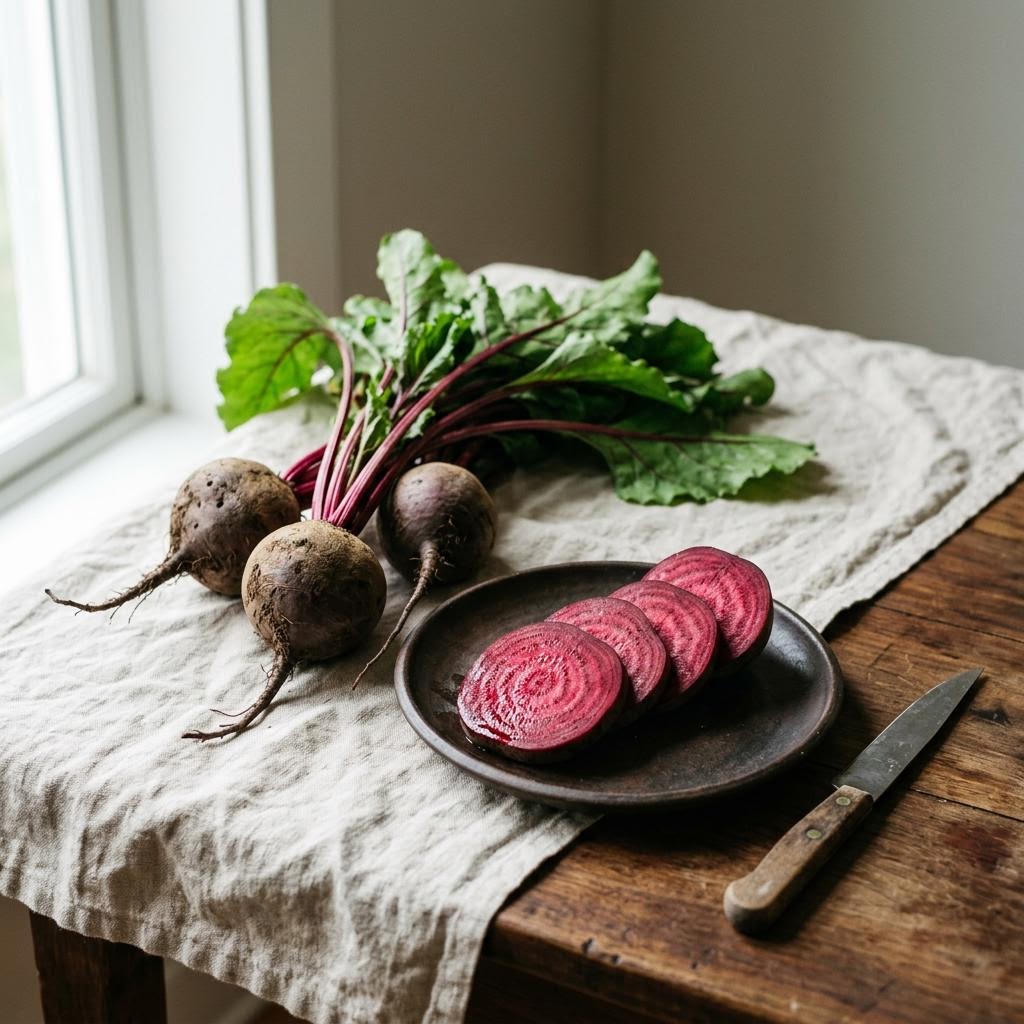
Beetroot †
Beta vulgaris
What it may bring: Beetroot is rich in dietary nitrate, which the body can convert to nitric oxide, a signaling molecule involved in blood-vessel relaxation. Trials suggest modest support for blood-flow efficiency, exercise performance and blood-pressure markers.
Traditional context: Beetroot is a food with roots in European and Mediterranean cooking, from roasted dishes to pickles and colorful drinks.
Try it: Roast or grate it into meals, or pair a small serving of beet with citrus in a juice. Whole-food portions also provide fiber; juice is more concentrated in sugar.
Safety & considerations
Concentrated extracts can interact with anticoagulants, diabetes medicines and other prescriptions. People with autoimmune, liver, kidney or digestive conditions should ask a clinician before supplements.
† Small note markers beside ingredient names link to the specific considerations collected below.
- Turmeric. High-dose extracts may interact with anticoagulants and may be inappropriate with gallbladder or bile-duct problems. Avoid concentrated products during pregnancy unless a qualified clinician recommends them.
- Ginger. Concentrated ginger can worsen heartburn and may increase bleeding risk with anticoagulants. People with gallstone disease, pregnancy-related nausea, or regular medicines should ask a clinician about supplement doses.
- Rosemary. Large amounts and rosemary oil can be unsafe, especially in pregnancy or seizure disorders. Concentrated products may interact with anticoagulants and blood-pressure medicines.
- Green Tea. Caffeine may worsen anxiety, palpitations or sleep. Concentrated extracts have been linked to liver injury in rare cases and can interact with medicines; never take them on an empty stomach without professional advice.
- Tart Cherry. Concentrates may add sugar and potassium. Ask a clinician if you have kidney disease, gout, diabetes or take medicines affected by potassium or blood sugar.
- Flaxseed. Increase slowly to avoid bloating. Flax may affect blood sugar, blood pressure and absorption of oral medicines; avoid raw or unripe seed and ask a clinician about high-dose use in pregnancy.
- Garlic. Large supplemental doses may increase bleeding risk and can interact with anticoagulants, antiplatelet medicines and some HIV medicines. Stop concentrated supplements before surgery only with clinician guidance.
- Oats. Choose certified gluten-free oats for diagnosed celiac disease. Fiber can affect absorption of some medicines, so separate high-fiber meals from medicines when a pharmacist recommends it.
- Beetroot. Beetroot can lower blood pressure and may turn urine or stool pink-red. People with a history of calcium-oxalate kidney stones or blood-pressure medicines should ask a clinician about concentrated juice.
Sources reviewed
- Turmeric — National Center for Complementary and Integrative Health
- Ginger — National Center for Complementary and Integrative Health
- Green Tea — National Center for Complementary and Integrative Health
- Flaxseed and Flaxseed Oil — National Center for Complementary and Integrative Health
Natural Remedies is for general education only. Food and traditional plant use do not diagnose, cure or replace medical care. If you have a diagnosed condition, are pregnant or breastfeeding, or take prescription medicines, speak with a qualified clinician or pharmacist before using concentrated herbal products.