NATURAL REMEDIES / 17 / 3 items
3 High-Fiber Foods for Everyday Digestion
A simple high-fiber starting point for meals that feel satisfying and flexible.
Fiber makes meals feel more substantial and helps support regular digestion. Lentils, chia and raspberries offer three different textures for adding it gradually.
Where this comes from
Lentils have anchored meals across South Asia, the Middle East and the Mediterranean; chia has deep food history in Mexico and Central America; berries have long been eaten fresh, dried or preserved. Their different textures make fiber feel like food, not a chore.
What the research suggests
Lentils bring soluble and insoluble fiber with resistant starch and plant protein, chia forms a water-holding mucilage, and raspberry seeds and flesh provide substantial fiber for a fruit. Each supports stool texture and microbial fermentation through a different food structure.
Explore the ingredients
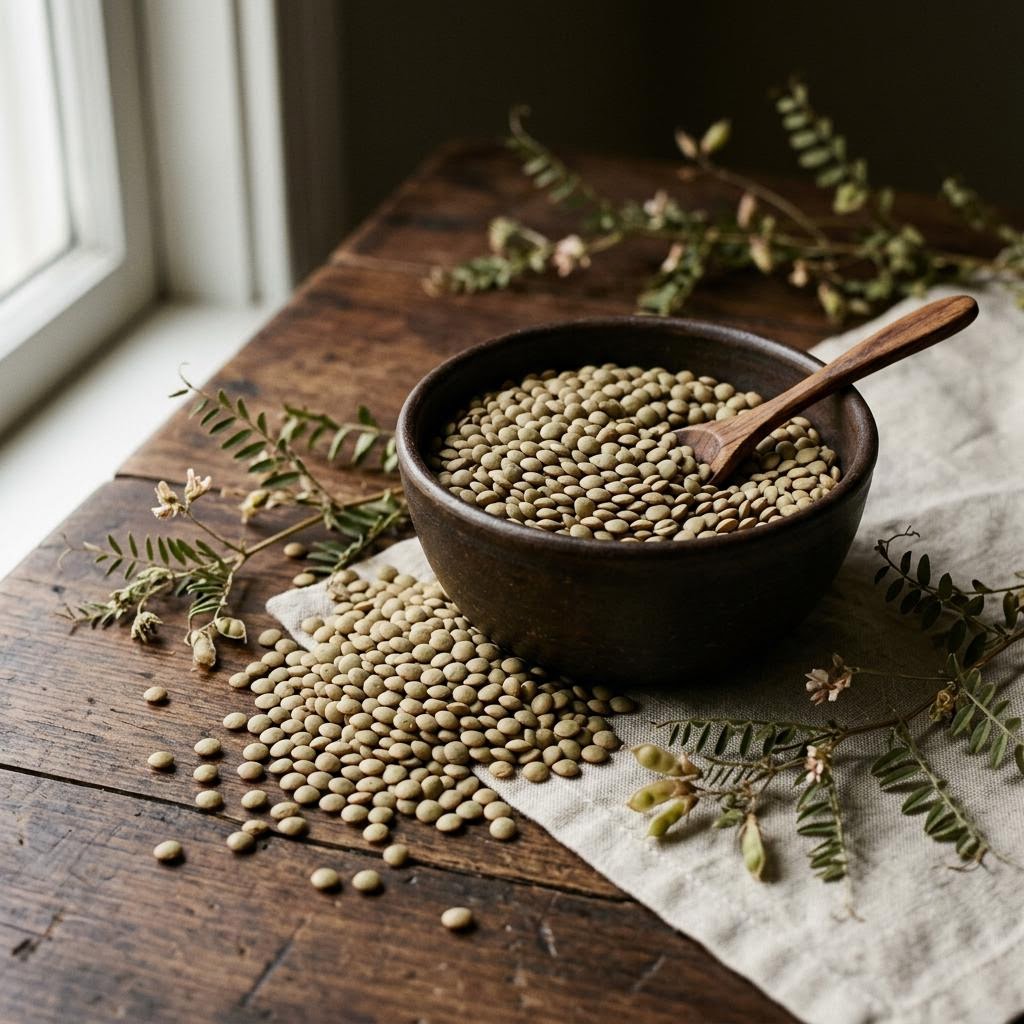
Lentils †
Lens culinaris
What it may bring: Lentils combine plant protein, soluble and insoluble fiber, resistant starch, iron and folate. Their fiber and starch support digestive regularity and a slower post-meal glucose response.
Traditional context: Lentils are foundational to food traditions across South Asia, the Middle East, North Africa, Europe and many plant-forward kitchens.
Try it: Simmer lentils into soup, fold them into grains or season them for a salad. Pair plant sources of iron with vitamin-C-rich produce to support absorption.
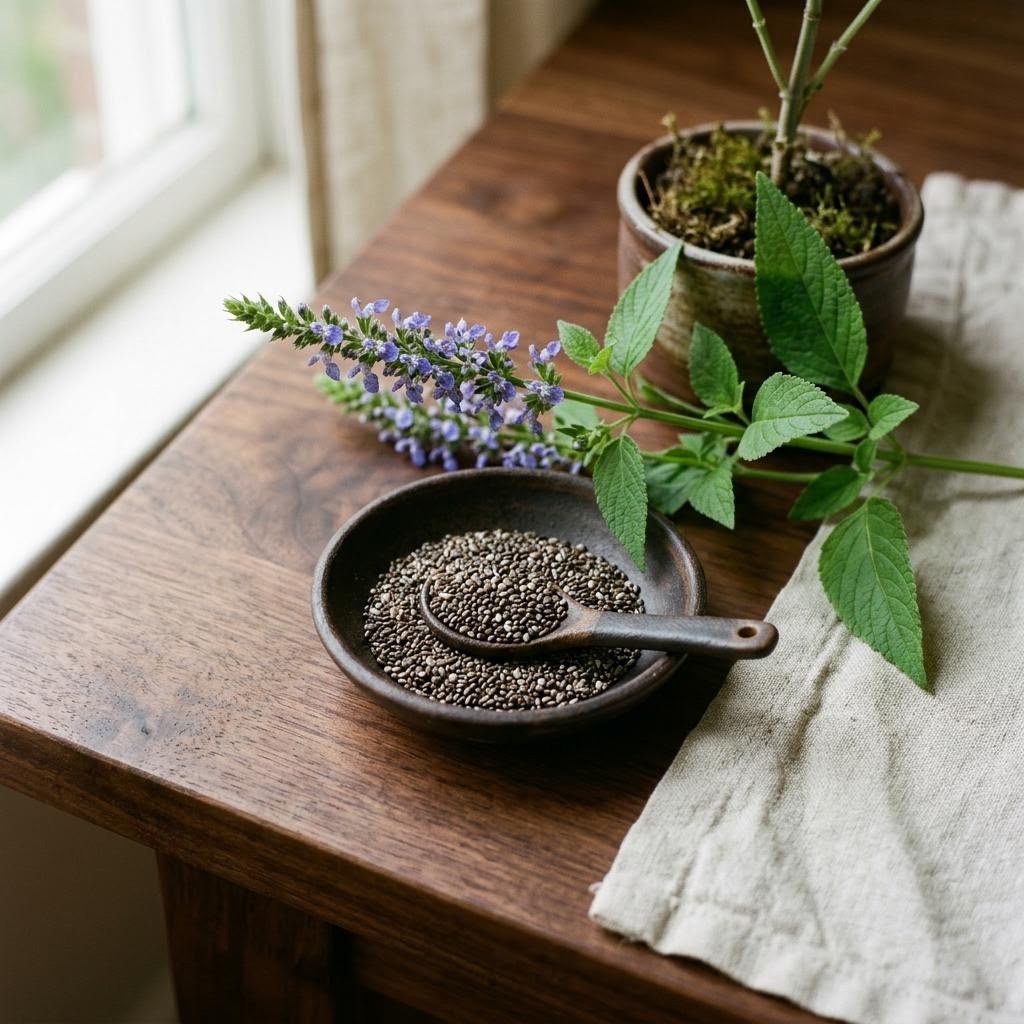
Chia Seeds †
Salvia hispanica
What it may bring: Chia supplies gel-forming soluble fiber, plant omega-3 ALA and some protein. Its mucilage holds water and can add fullness and softer stool texture when introduced gradually with enough fluid.
Traditional context: Chia has longstanding food history in Mesoamerica and is now used in puddings, drinks, porridges and baked foods around the world.
Try it: Stir a spoonful into oats, yogurt or a smoothie and allow it to hydrate. Drink enough fluid and start with a small amount if your usual diet is low in fiber.
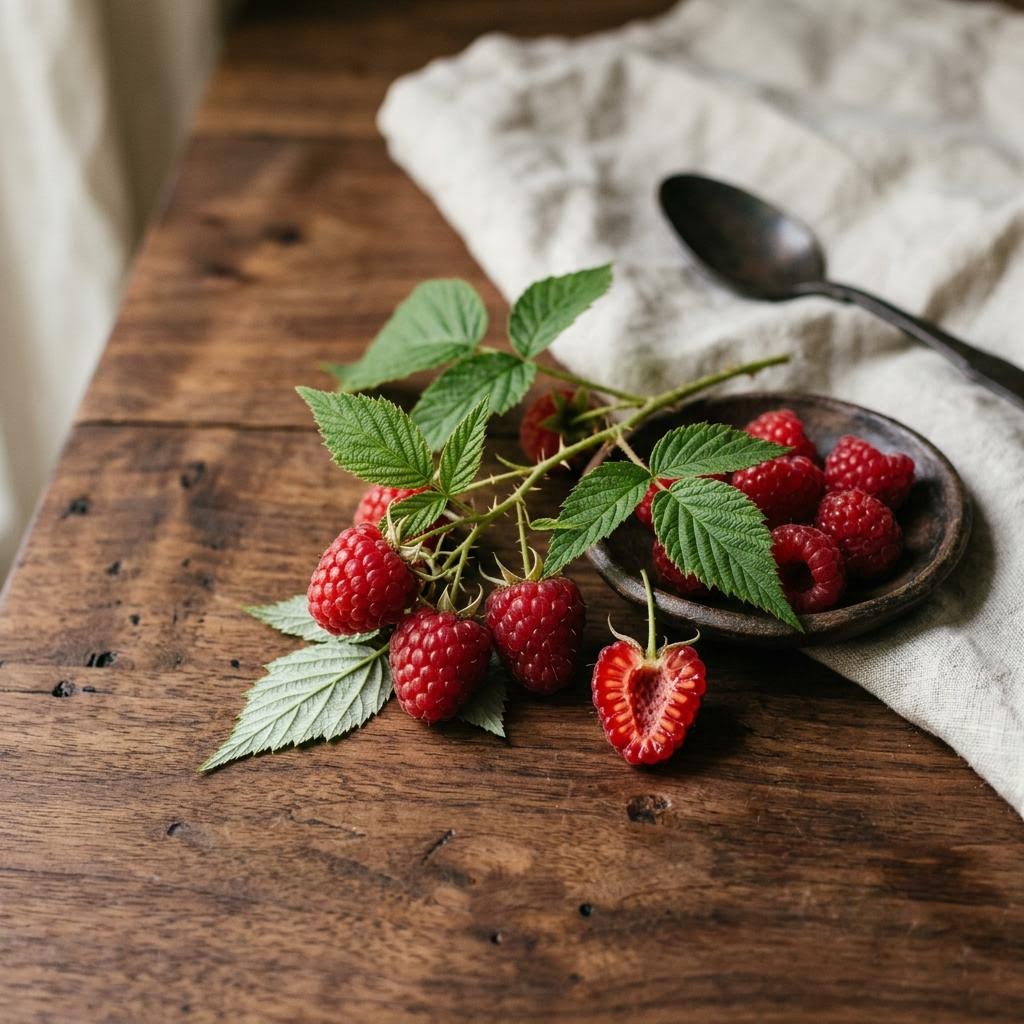
Raspberries †
Rubus idaeus
What it may bring: Raspberries are notably high in fiber for a fruit and provide anthocyanins and ellagitannins. Their combination of seeds, water and plant compounds adds texture and variety to a fiber-rich pattern.
Traditional context: Raspberries are eaten fresh, frozen and preserved across temperate food traditions, from breakfast bowls to jams and baked dishes.
Try it: Fold them into oats, yogurt or a smoothie, or eat them with nuts and seeds for a more sustaining snack. Frozen berries work well when fresh fruit is out of season.
Safety & considerations
Ask a clinician about blood in stool, unexplained weight change, severe pain or bowel changes that persist. Fiber can affect medicine absorption and may need adjustment with certain conditions.
† Small note markers beside ingredient names link to the specific considerations collected below.
- Lentils. Increase legumes gradually if they cause gas, and rinse canned lentils to reduce sodium. Kidney disease and medically prescribed mineral limits require individualized advice.
- Chia Seeds. Never swallow large amounts of dry chia, especially with swallowing difficulty. Fiber can affect medicine absorption, so ask a pharmacist about timing if needed.
- Raspberries. Wash fresh fruit and introduce larger fiber portions gradually. People managing blood sugar should consider the whole meal and portion rather than treating fruit as free of carbohydrate.
Sources reviewed
- FoodData Central — U.S. Department of Agriculture
- Dietary Guidelines for Americans, 2020–2025 — USDA and HHS
- Flaxseed and Flaxseed Oil — National Center for Complementary and Integrative Health
Natural Remedies is for general education only. Food and traditional plant use do not diagnose, cure or replace medical care. If you have a diagnosed condition, are pregnant or breastfeeding, or take prescription medicines, speak with a qualified clinician or pharmacist before using concentrated herbal products.