NATURAL REMEDIES / 12 / 3 items
3 Food-First Ideas for Immune Nourishment
Three familiar ingredients that bring organosulfur compounds, gingerols and berry anthocyanins to everyday meals.
Immune nourishment is an everyday pattern: enough food, sleep, movement, vaccination and care. Garlic, ginger and elderberry bring flavor, plant compounds and tradition to that wider picture.
Where this comes from
Garlic and ginger have traveled through countless food traditions as foundational aromatics, while elderberry appears in European syrups, preserves and seasonal preparations. Their place here is grounded in nourishment and flavor, not a promise that one ingredient can control illness.
What the research suggests
Garlic organosulfur compounds, gingerols and elderberry anthocyanins have been studied in immune and inflammatory pathways. Garlic and ginger are most dependable as flavorful foods; elderberry symptom research is limited to small, product-specific trials.
Explore the ingredients
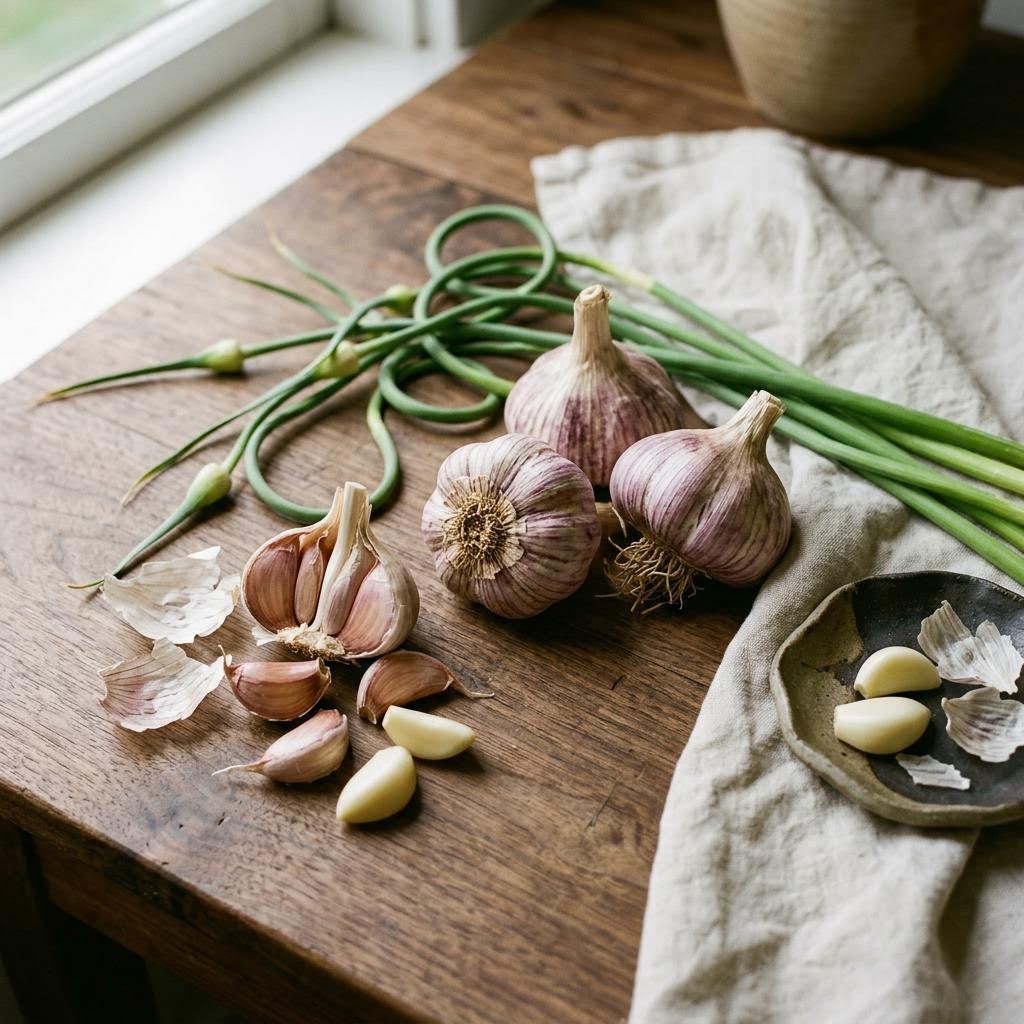
Garlic †
Allium sativum
What it may bring: Cut or crushed garlic forms organosulfur compounds, including allicin-related compounds. Studies of garlic preparations suggest modest effects on some blood-pressure and cholesterol markers, while ordinary garlic also brings depth to vegetable-rich meals.
Traditional context: Garlic is both a food and a household ingredient in cuisines across the Mediterranean, Asia, Africa and the Americas, where it has also carried long-standing traditional wellness uses.
Try it: Add fresh garlic to beans, soups, sauces and roasted vegetables. Food amounts are gentler and less concentrated than capsules or aged-garlic extracts.
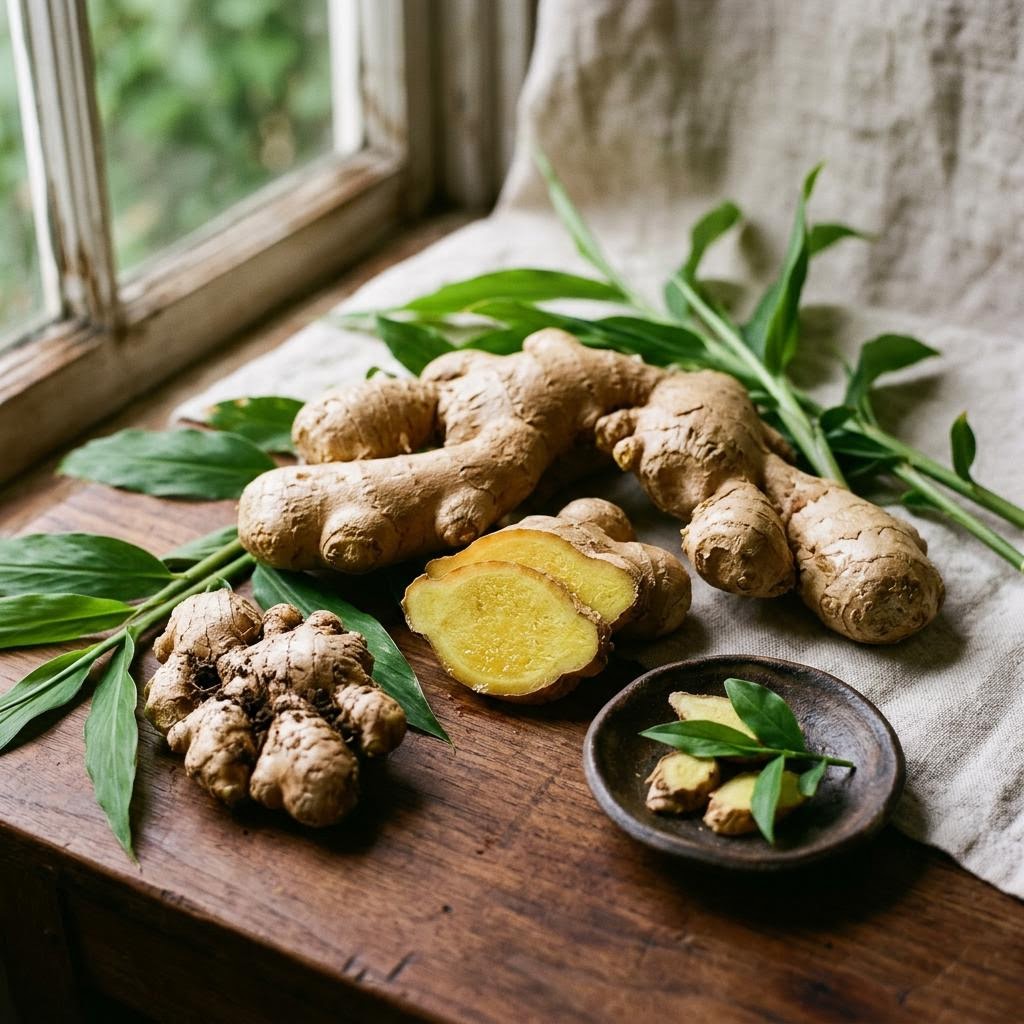
Ginger †
Zingiber officinale
What it may bring: Gingerols and shogaols give ginger its warmth and have been studied for effects on nausea and digestive movement. Evidence is strongest for certain kinds of nausea, with results depending on preparation and dose.
Traditional context: Ginger appears in South Asian, East Asian, Caribbean and many other food and tea traditions, often for warmth, nausea or a sense of settled digestion.
Try it: Steep a few fresh slices in hot water, grate it into a stir-fry, or add it to a soup. Pair with food if it causes heartburn.
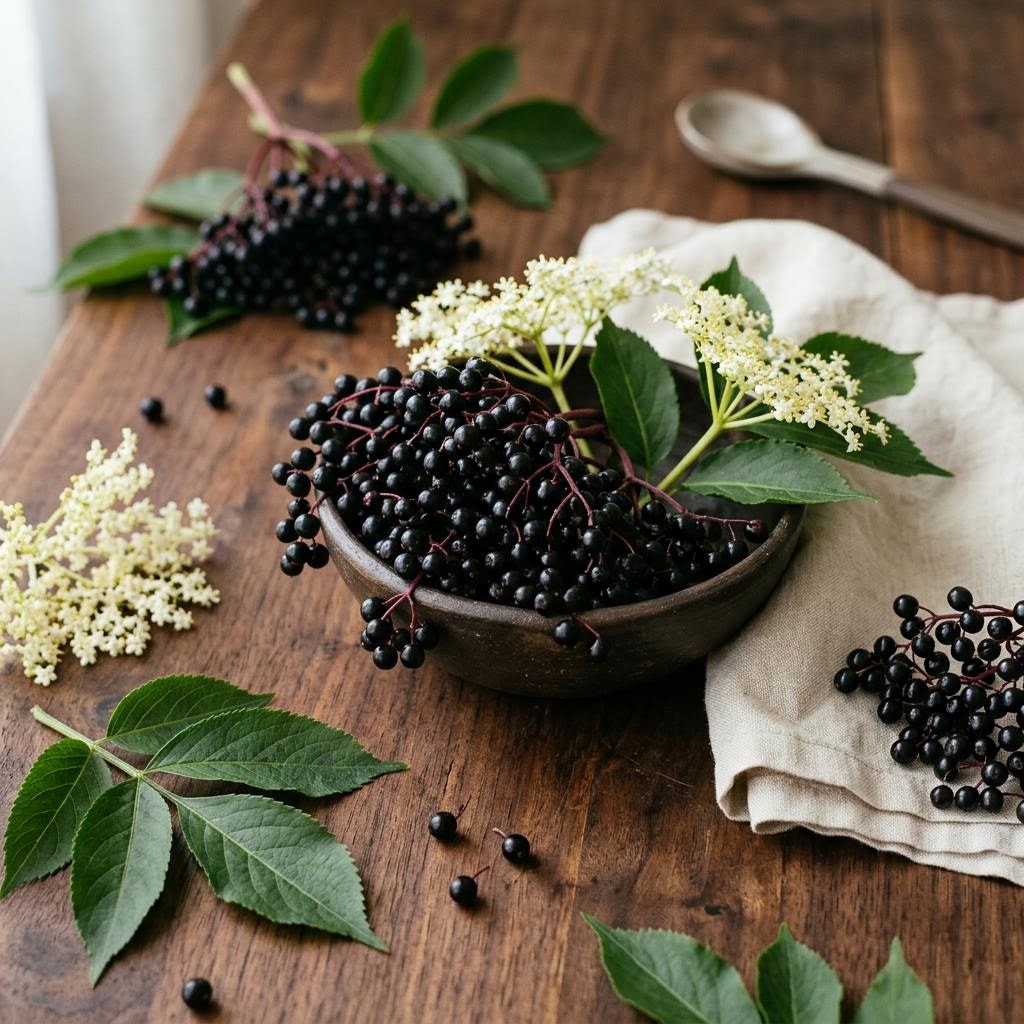
Elderberry †
Sambucus nigra
What it may bring: Dark elderberries contain anthocyanins and other polyphenols. A few small, product-specific trials suggest possible effects on the duration or intensity of upper-respiratory symptoms, but larger independent studies are needed.
Traditional context: Elderberries have appeared in European syrups, preserves and seasonal household preparations, usually after careful cooking.
Try it: Use only commercially prepared, cooked products from a trusted source. Raw or unripe berries and leaves are not safe foods.
Safety & considerations
People who are pregnant, immunocompromised, taking immune-suppressing medicines or managing a chronic condition should consult a clinician before using herbal extracts.
† Small note markers beside ingredient names link to the specific considerations collected below.
- Garlic. Large supplemental doses may increase bleeding risk and can interact with anticoagulants, antiplatelet medicines and some HIV medicines. Stop concentrated supplements before surgery only with clinician guidance.
- Ginger. Concentrated ginger can worsen heartburn and may increase bleeding risk with anticoagulants. People with gallstone disease, pregnancy-related nausea, or regular medicines should ask a clinician about supplement doses.
- Elderberry. Raw elderberry can cause nausea and vomiting. Products may interact with immune-suppressing medicines, diuretics or diabetes medicines; avoid self-treatment for breathing trouble or high fever.
Sources reviewed
- Garlic — National Center for Complementary and Integrative Health
- Ginger — National Center for Complementary and Integrative Health
- Elderberry — National Center for Complementary and Integrative Health
- Dietary Guidelines for Americans, 2020–2025 — USDA and HHS
Natural Remedies is for general education only. Food and traditional plant use do not diagnose, cure or replace medical care. If you have a diagnosed condition, are pregnant or breastfeeding, or take prescription medicines, speak with a qualified clinician or pharmacist before using concentrated herbal products.