NATURAL REMEDIES / 09 / 6 items
6 Traditional Plants for Respiratory Comfort
Warm cups, aromatic herbs and longstanding food traditions for a tender throat and a gentler breathing routine.
Warm cups and aromatic herbs have a long place in kitchen traditions when a throat or airway feels tender. These six plants offer comfort-focused ways to use that tradition thoughtfully.
Where this comes from
Thyme, sage, peppermint, ginger and chamomile appear in food and tea traditions around the Mediterranean, Europe, Asia and North Africa. Their aroma, warmth and soothing textures help explain their staying power at the table, while elderberry brings a fruit-based option.
What the research suggests
Thyme thymol, peppermint menthol and gingerols have laboratory or limited clinical research related to airway sensation, cough preparations or inflammation. Elderberry trials are small and product-specific; the most immediate contribution from these plants is warmth, aroma and soothing fluid.
Explore the ingredients
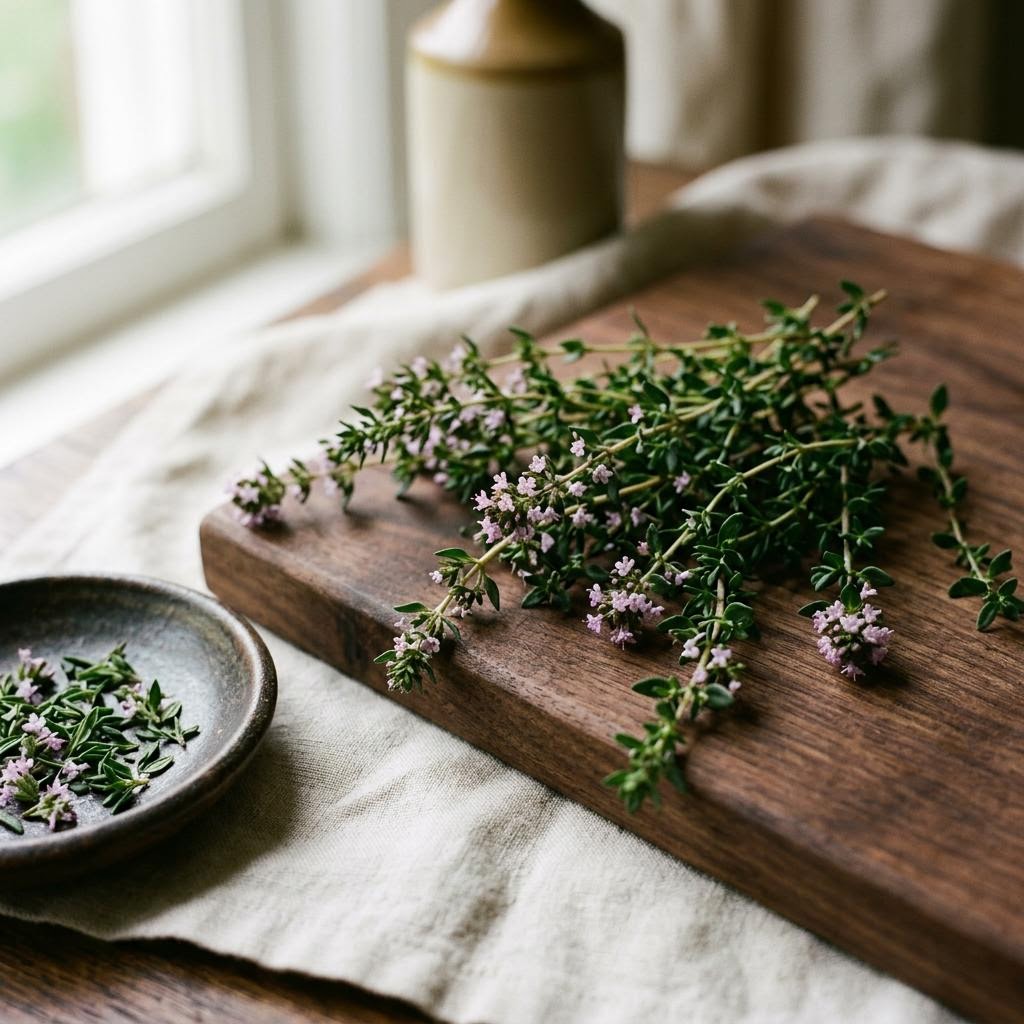
Thyme †
Thymus vulgaris
What it may bring: Thyme’s aromatic compounds include thymol and carvacrol, studied mainly for antimicrobial and smooth-muscle activity in laboratory research. A warm thyme infusion may soothe a throat, but direct clinical evidence is limited.
Traditional context: Thyme is a Mediterranean herb used in cooking and traditional teas, often paired with lemon or honey in household comfort rituals.
Try it: Add fresh thyme to soups, beans and roasted vegetables, or steep a small amount as tea. Keep honey guidance in mind for children under one.
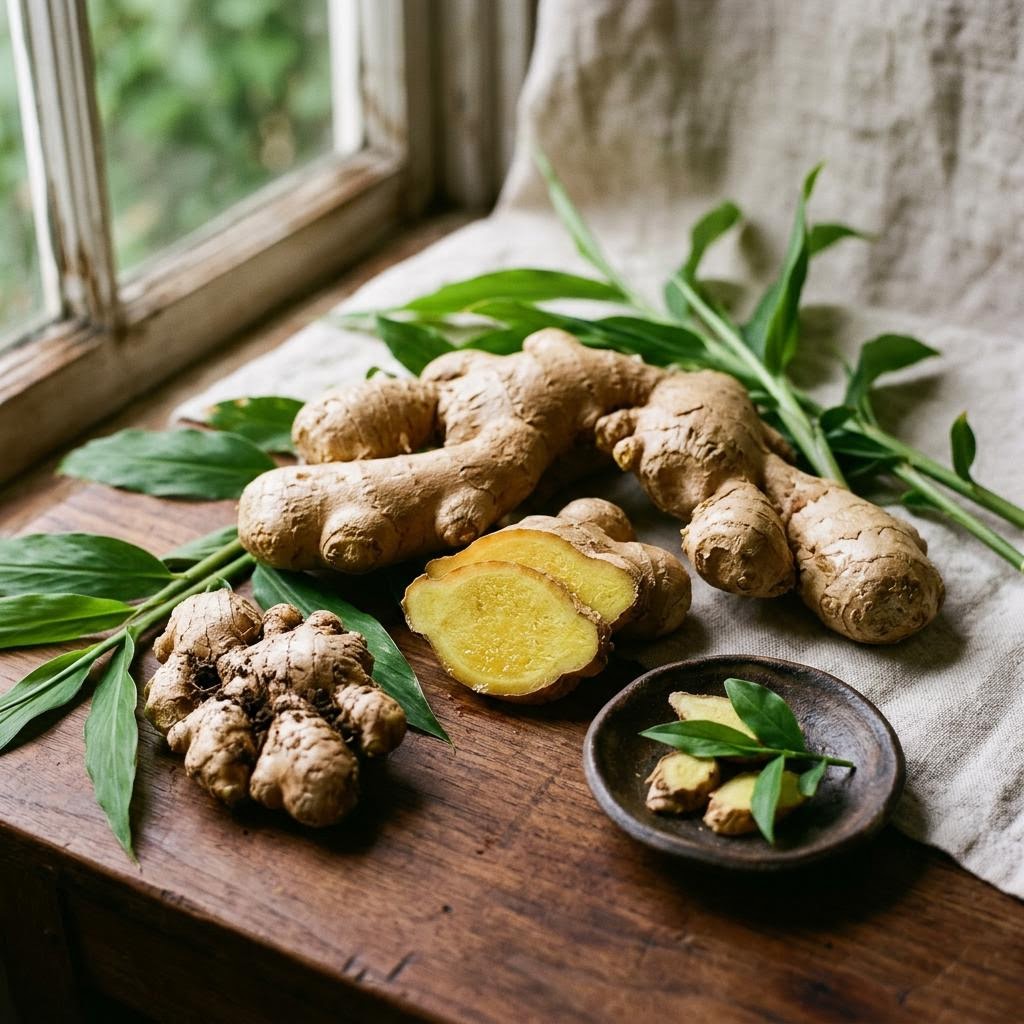
Ginger †
Zingiber officinale
What it may bring: Gingerols and shogaols give ginger its warmth and have been studied for effects on nausea and digestive movement. Evidence is strongest for certain kinds of nausea, with results depending on preparation and dose.
Traditional context: Ginger appears in South Asian, East Asian, Caribbean and many other food and tea traditions, often for warmth, nausea or a sense of settled digestion.
Try it: Steep a few fresh slices in hot water, grate it into a stir-fry, or add it to a soup. Pair with food if it causes heartburn.
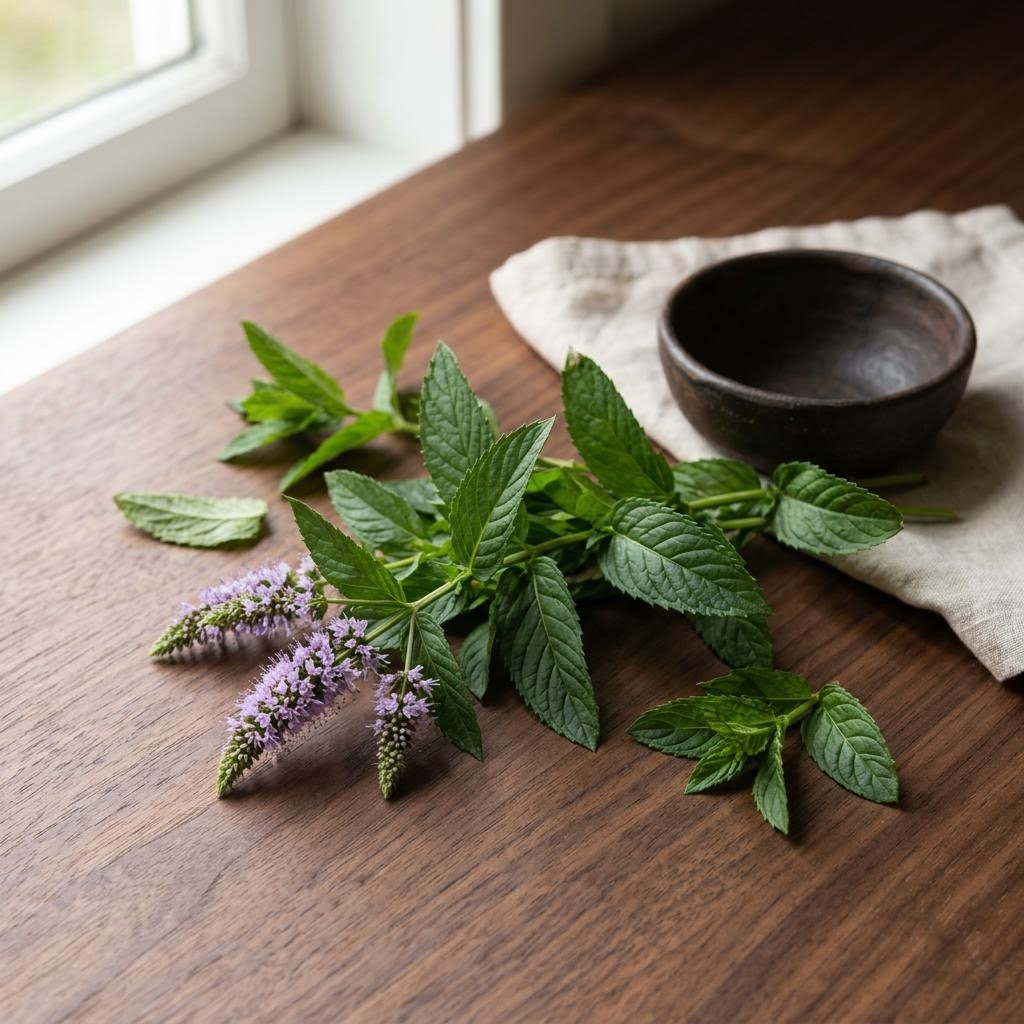
Peppermint †
Mentha × piperita
What it may bring: Peppermint’s menthol-rich oil can relax intestinal smooth muscle. Enteric-coated peppermint oil has evidence for some irritable-bowel symptoms; tea is gentler and is better understood as an aromatic after-meal drink.
Traditional context: Peppermint tea is a familiar after-meal ritual in many homes and sits within wider mint-tea traditions across North Africa, the Middle East and Europe.
Try it: Steep fresh or dried food-grade leaves for a few minutes. Essential oil is much more concentrated and should never be swallowed casually.
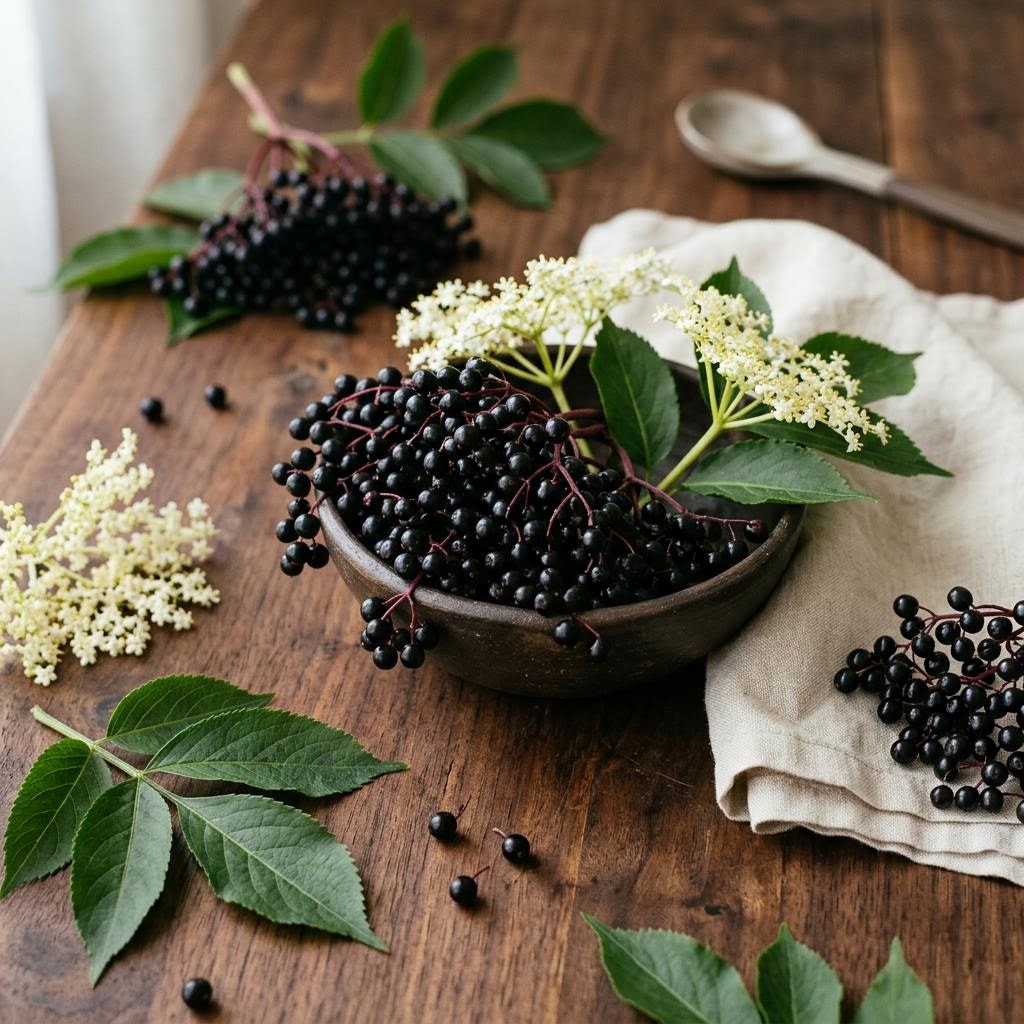
Elderberry †
Sambucus nigra
What it may bring: Dark elderberries contain anthocyanins and other polyphenols. A few small, product-specific trials suggest possible effects on the duration or intensity of upper-respiratory symptoms, but larger independent studies are needed.
Traditional context: Elderberries have appeared in European syrups, preserves and seasonal household preparations, usually after careful cooking.
Try it: Use only commercially prepared, cooked products from a trusted source. Raw or unripe berries and leaves are not safe foods.
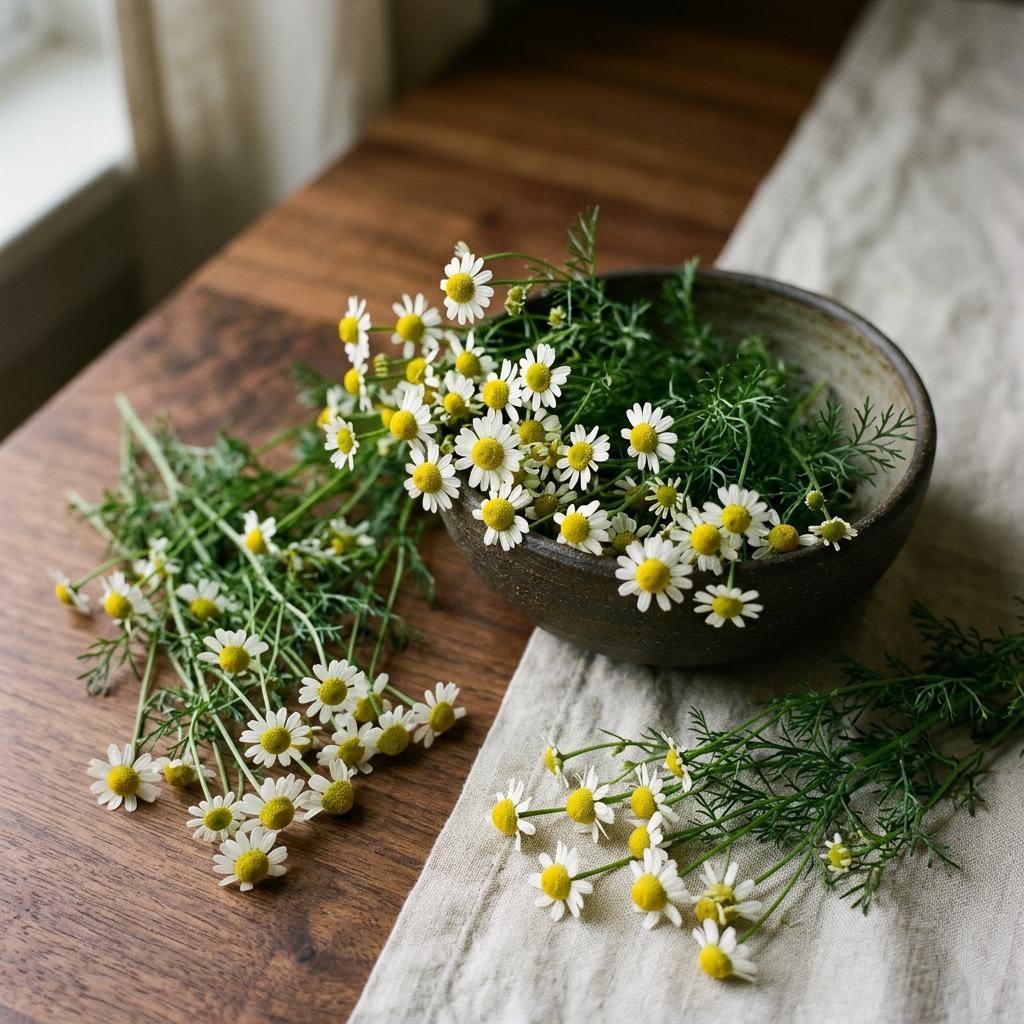
Chamomile †
Matricaria chamomilla
What it may bring: Chamomile contains apigenin and other flavonoids studied for calming activity. Small human studies suggest possible support for relaxation and sleep quality, though findings remain limited.
Traditional context: Chamomile tea has been part of European, West Asian and North African household routines for winding down and settling into the evening.
Try it: Steep a food-grade tea bag or dried flowers in hot water. Let the ritual be the point; do not keep escalating the dose when sleep remains difficult.
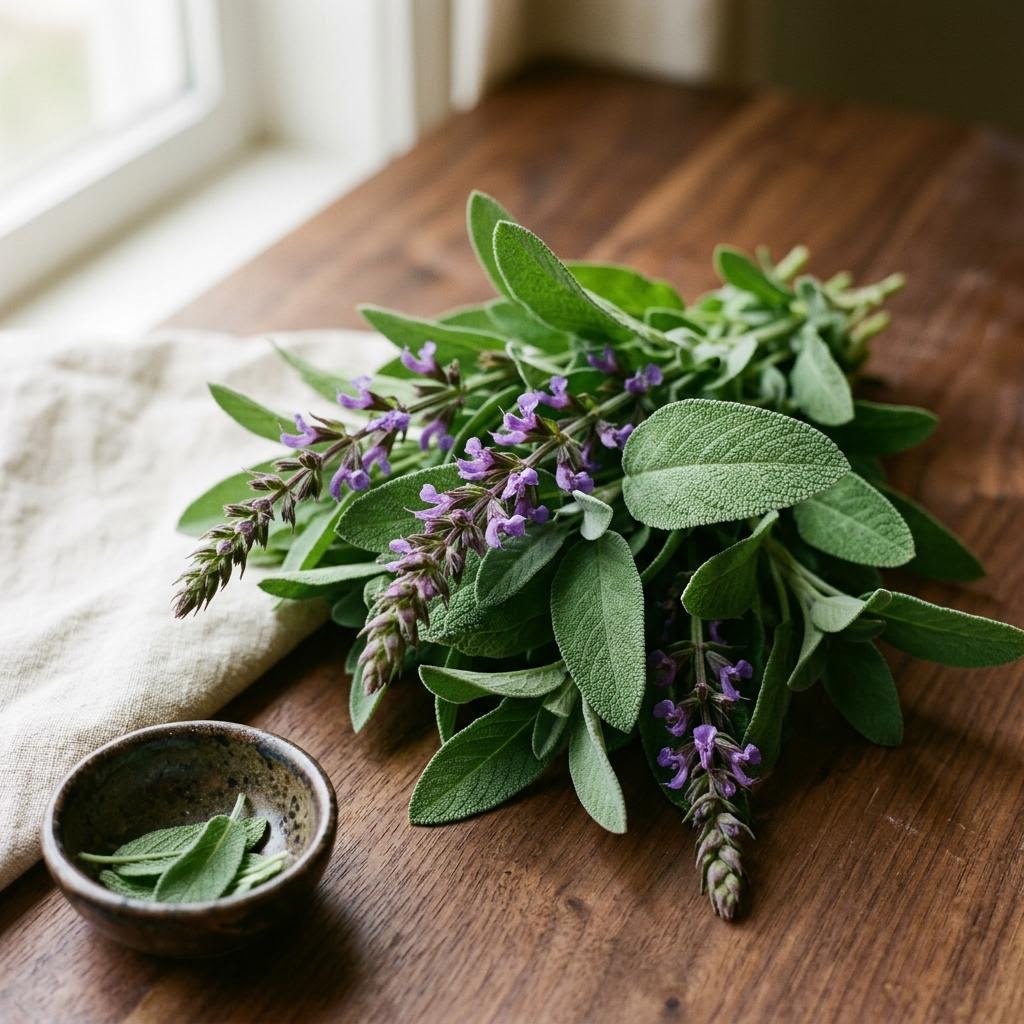
Sage †
Salvia officinalis
What it may bring: Sage contains rosmarinic acid and aromatic terpenes. Small trials have explored memory, attention and menopausal comfort, but the limited evidence does not support broad cognitive or hormonal claims.
Traditional context: Sage is a long-used culinary herb in Mediterranean and European food traditions and has also appeared in household tea practices.
Try it: Use a few leaves in stuffing, beans, squash or a broth. Avoid treating sage essential oil as tea; it is highly concentrated.
Safety & considerations
Avoid swallowing essential oils. Do not give honey-containing preparations to children under one. Seek urgent care for severe breathing trouble, blue lips, confusion or chest pain.
† Small note markers beside ingredient names link to the specific considerations collected below.
- Thyme. Concentrated thyme oil can irritate skin and lungs and should not be swallowed. Ask a clinician about medicinal preparations during pregnancy, breastfeeding or with anticoagulants.
- Ginger. Concentrated ginger can worsen heartburn and may increase bleeding risk with anticoagulants. People with gallstone disease, pregnancy-related nausea, or regular medicines should ask a clinician about supplement doses.
- Peppermint. Peppermint can worsen reflux. Do not give essential oil by mouth to infants or young children, and ask a pharmacist about interactions if using concentrated products.
- Elderberry. Raw elderberry can cause nausea and vomiting. Products may interact with immune-suppressing medicines, diuretics or diabetes medicines; avoid self-treatment for breathing trouble or high fever.
- Chamomile. People sensitive to ragweed or daisies may react. It can interact with sedatives and anticoagulants; ask a clinician before regular concentrated use in pregnancy or breastfeeding.
- Sage. High doses of sage or its thujone-containing oil can be harmful and may trigger seizures. Avoid medicinal amounts during pregnancy and breastfeeding, and ask about medicine interactions.
Sources reviewed
- Ginger — National Center for Complementary and Integrative Health
- Peppermint Oil — National Center for Complementary and Integrative Health
- Chamomile — National Center for Complementary and Integrative Health
- Elderberry — National Center for Complementary and Integrative Health
Natural Remedies is for general education only. Food and traditional plant use do not diagnose, cure or replace medical care. If you have a diagnosed condition, are pregnant or breastfeeding, or take prescription medicines, speak with a qualified clinician or pharmacist before using concentrated herbal products.