06 / THE LEAF
Tea / a leaf, a ritual, a way of welcome
Tea can be whisked, steeped, poured from a shared pot or built into a milky spiced drink; the method is part of the meaning.
Tea is less a single beverage than a family of rituals. A leaf, powder, water temperature, vessel and way of serving all carry context. These traditions are offered as distinct practices, not as interchangeable shortcuts.
Traditions and preparations
Gongfu tea
China
Gongfu tea describes a careful style of brewing associated with small vessels, multiple short infusions and close attention to the leaf.
A relatively high amount of loose tea is brewed in a small pot or gaiwan, then poured into small cups. The repeated infusions let aroma, texture and flavor change over the course of serving.
Matcha and chanoyu
Japan
Matcha is finely ground green tea whisked into water. In chanoyu, the preparation and sharing of tea are part of a considered cultural practice with its own etiquette and schools.
The powder is sifted, measured and whisked with hot water until a fine foam forms. Everyday matcha and formal tea gathering have different contexts, tools and expectations.
Mint tea
Morocco and the Maghreb
Green tea with fresh mint is a familiar gesture of welcome across Morocco and other parts of the Maghreb, with regional and household variations.
Green tea is combined with fresh spearmint and a generous amount of sugar, then poured from a height into small glasses. The repeated pouring mixes the drink and creates a light foam.
Chai
South Asia
Milky tea with spices is made in many South Asian styles. The word chai simply means tea, while the specific blend and method belong to the maker and place.
Tea is simmered or steeped with milk, sugar and aromatics such as ginger, cardamom or clove. Street-side, railway-stall and home preparations all have their own proportions.
GoodSoul-inspired connections
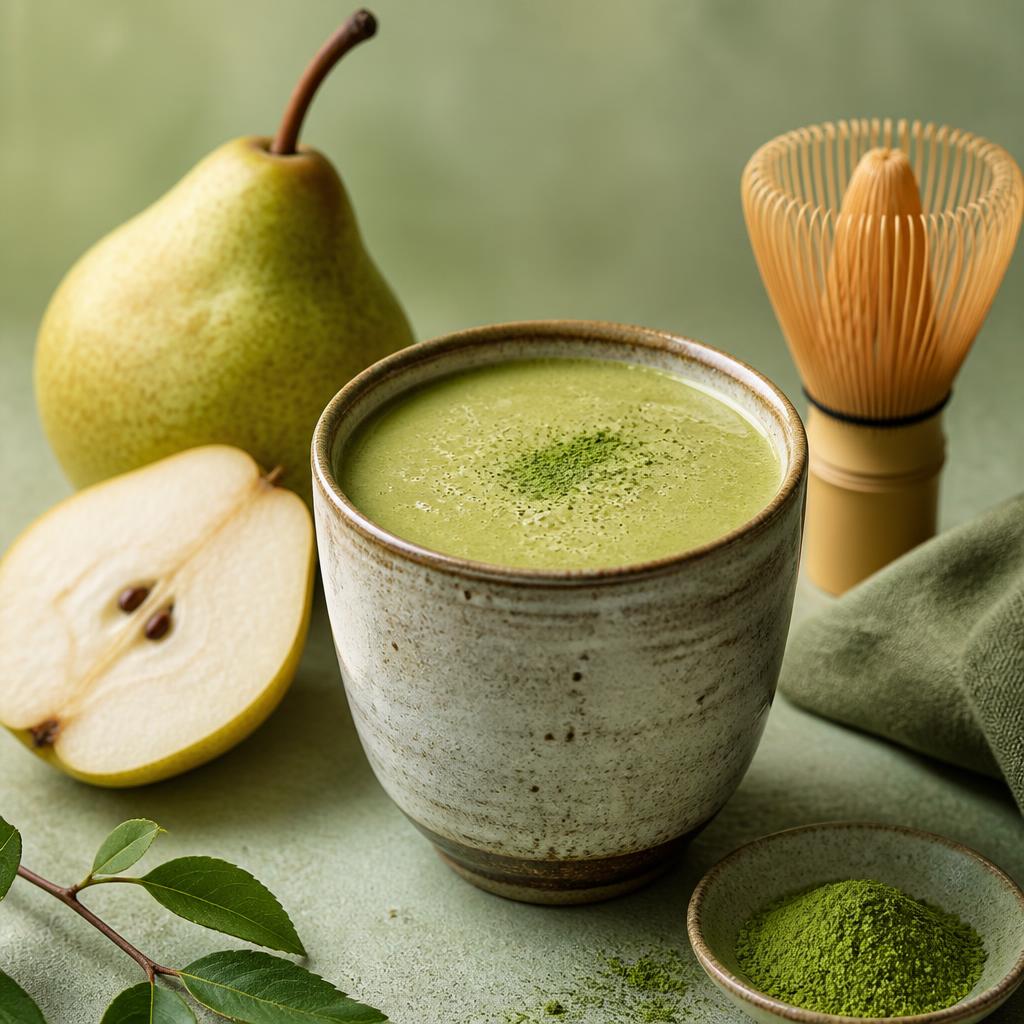
GoodSoul-inspired connection: our Matcha Pear Smoothie and Mint Date Smoothie use tea flavors in a blended format. They are modern adaptations and do not stand in for the tea rituals above.
References for this story
These references helped us check the broad culinary context. They are starting points, not a claim to represent every household, region or community.
- Traditional tea processing techniques and associated social practices in China — UNESCO Intangible Cultural Heritage
- Japanese Tea Ceremony — Japan National Tourism Organization
- The Japanese Tea Ceremony — The Metropolitan Museum of Art