NATURAL REMEDIES / 15 / 3 items
3 Foods for Brain & Mental Clarity Support
A calm, food-first look at omega-3 fats, anthocyanins and protein involved in normal brain function.
A brain-supportive plate is built over time from sleep, movement, hydration and varied food. Walnuts, blueberries and salmon each bring a different nutrient story to that pattern.
Where this comes from
Walnuts, berries and fish have distinct culinary histories—from orchard and woodland preserves to coastal meals and everyday market cooking. Their modern nutrition story is equally varied: plant omega-3 ALA, polyphenols, fiber, protein and long-chain omega-3 fats.
What the research suggests
Walnuts provide ALA and polyphenols, blueberries bring anthocyanins, and salmon supplies EPA, DHA and protein. These nutrients support vascular and cell-membrane function; longer-term dietary research is more encouraging than claims of an immediate memory or focus boost.
Explore the ingredients
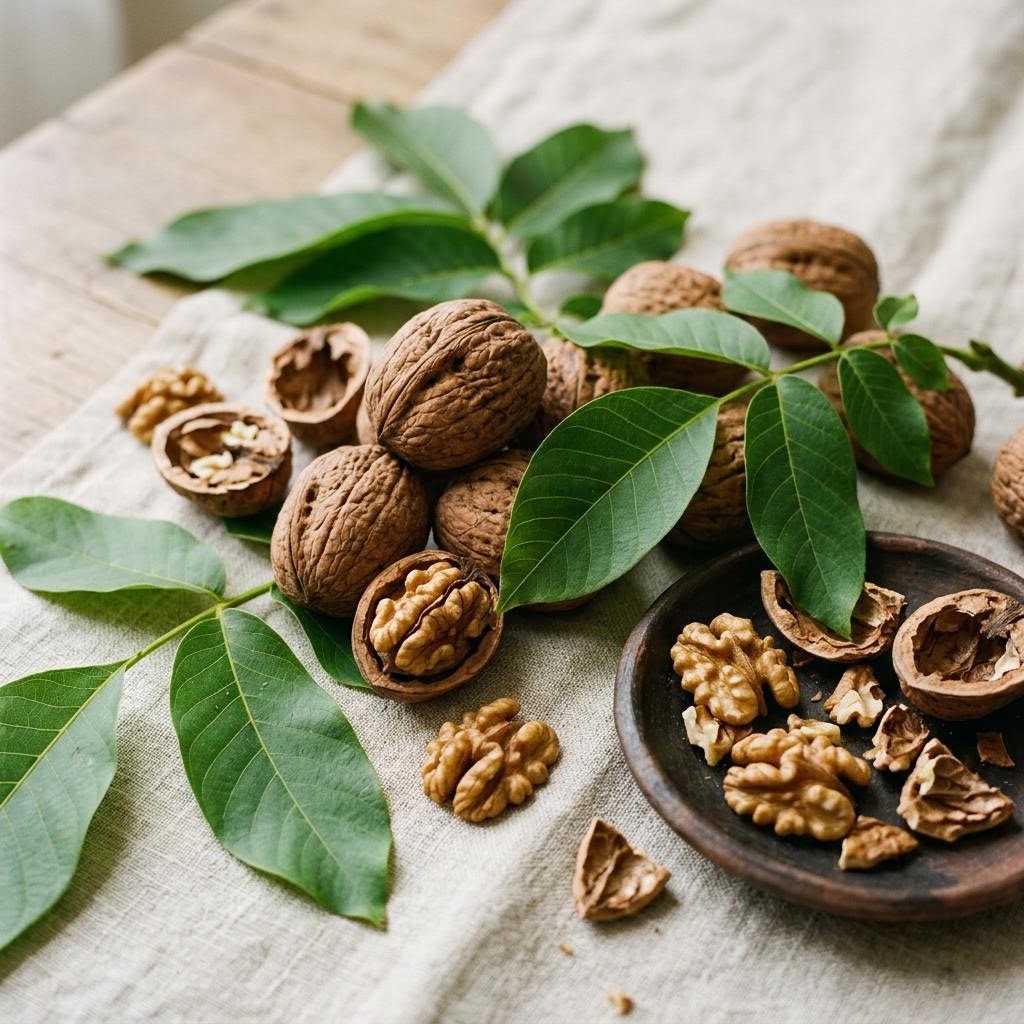
Walnuts †
Juglans regia
What it may bring: Walnuts provide the plant omega-3 fat ALA, polyphenols and unsaturated fats. Trials support favorable cardiovascular markers; research on cognition is promising but does not show a guaranteed short-term focus effect.
Traditional context: Walnuts are used in sweets, grain dishes, sauces and shared snacks across Central Asia, the Mediterranean, the Middle East and beyond.
Try it: Add chopped walnuts to oats, salads or yogurt, or use them in a grain-based topping. Store them cool so their delicate fats stay fresh.
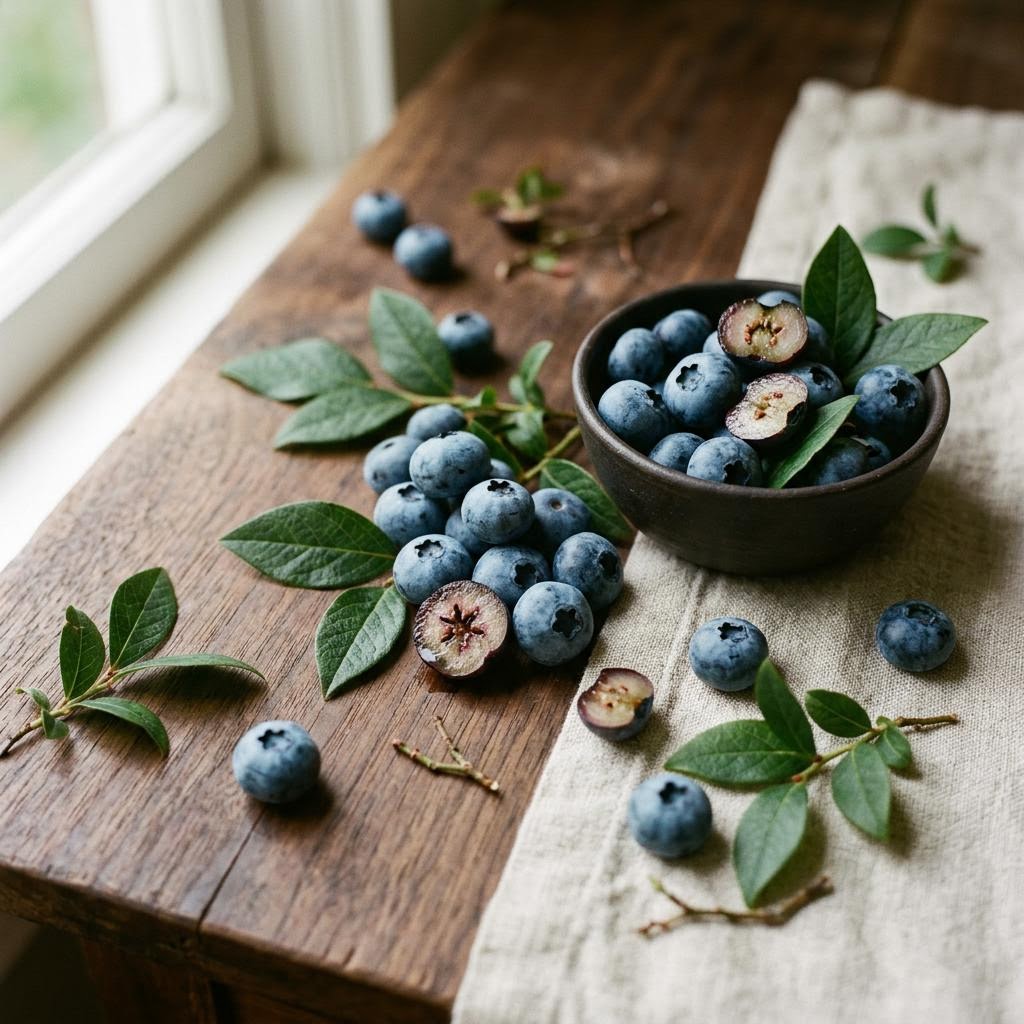
Blueberries †
Vaccinium corymbosum
What it may bring: Blueberries provide fiber and anthocyanins, pigments studied for vascular and cell-signaling effects. Some trials suggest modest cognitive or cardiovascular benefits, but findings support regular berry intake rather than a rapid “brain boost.”
Traditional context: Blueberries are a North American fruit enjoyed fresh, dried, frozen and preserved, with many regional food traditions around berries and harvest.
Try it: Use fresh or frozen berries in oats, yogurt, smoothies or salads. Frozen berries are a practical way to keep the habit going year-round.
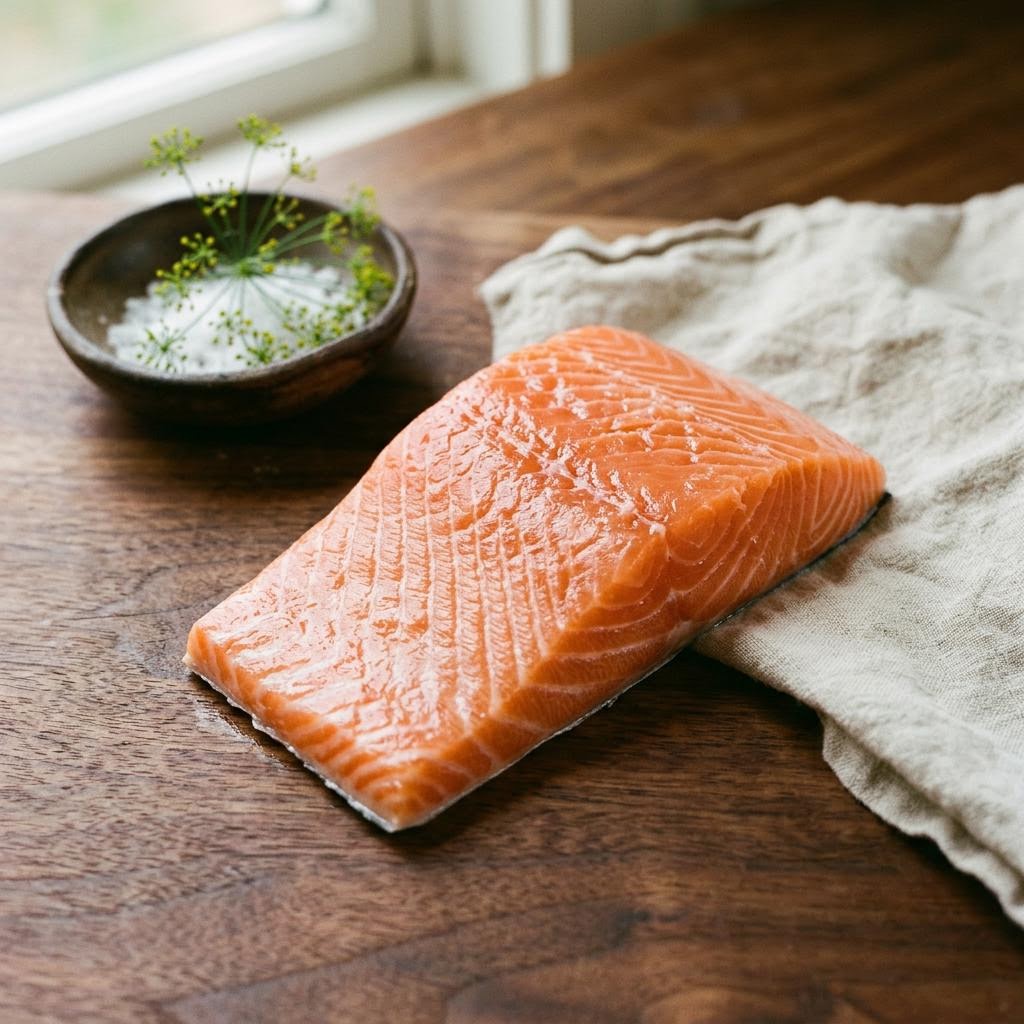
Salmon †
Salmo salar
What it may bring: Salmon provides complete protein and the long-chain omega-3 fats EPA and DHA. These fats are structural components of cell membranes and support normal cardiovascular and brain function.
Traditional context: Salmon is part of food traditions across the North Atlantic and Pacific regions, where species, preservation methods and preparation vary by place.
Try it: Bake, grill or poach salmon and serve it with grains and vegetables. Rotate with beans, tofu and other proteins for variety and to manage seafood exposure.
Safety & considerations
New or worsening confusion, memory changes, severe headache or neurological symptoms need professional attention. Consider allergy, seafood guidance and medicine interactions before major dietary changes.
† Small note markers beside ingredient names link to the specific considerations collected below.
- Walnuts. Avoid walnuts with a tree-nut allergy. They are energy-dense and can spoil if stored warm; discard nuts that smell paint-like or bitter.
- Blueberries. Wash fresh berries and check portions if managing blood sugar. People taking medicines affected by vitamin K or blood sugar should ask a clinician about major dietary changes.
- Salmon. Choose lower-mercury seafood guidance appropriate to your region and cook fish safely. Anyone with a fish allergy or special pregnancy guidance should consult a qualified professional.
Sources reviewed
- Omega-3 Fatty Acids: Fact Sheet for Consumers — NIH Office of Dietary Supplements
- FoodData Central — U.S. Department of Agriculture
- Dietary Guidelines for Americans, 2020–2025 — USDA and HHS
Natural Remedies is for general education only. Food and traditional plant use do not diagnose, cure or replace medical care. If you have a diagnosed condition, are pregnant or breastfeeding, or take prescription medicines, speak with a qualified clinician or pharmacist before using concentrated herbal products.