NATURAL REMEDIES / 05 / 6 items
6 Foods for Kidney & Urinary Wellness
A food-first starting point for hydration, plant variety and urinary wellness.
Kidney and urinary wellness is shaped by hydration, food variety, stone history and the needs of your own body. These six ingredients offer food-first ideas to explore thoughtfully.
Where this comes from
Cranberry, parsley and oats are familiar foods, while herbal preparations made from nettle, dandelion and hibiscus appear in different traditional practices. The useful modern question is how a food fits your fluid, mineral and medical context—not whether it promises a cleanse.
What the research suggests
Cranberry A-type proanthocyanidins can make bacterial attachment more difficult, and reviews suggest some products may reduce recurrence for some people. Oats add soluble fiber, while parsley, nettle, dandelion, hibiscus and their polyphenols belong mainly to food and traditional-use evidence rather than proven kidney effects.
Explore the ingredients
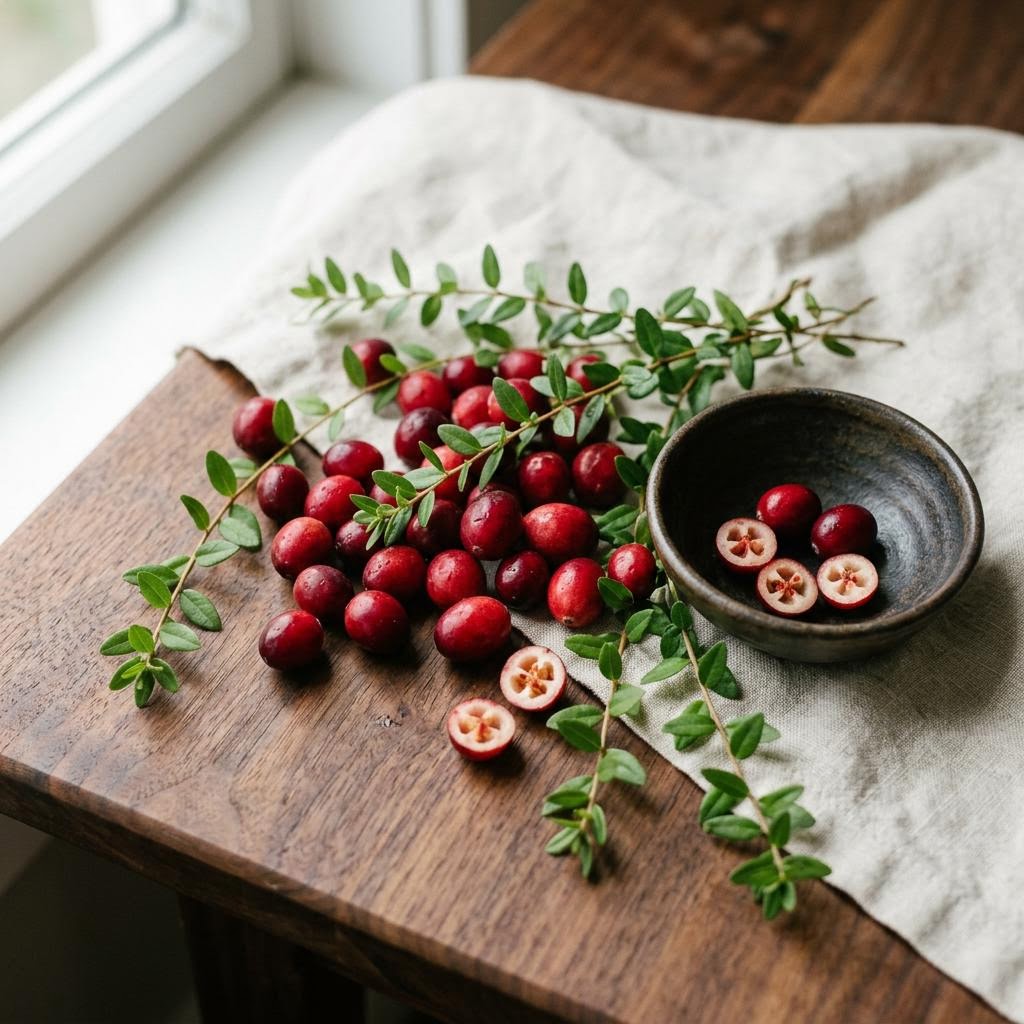
Cranberry †
Vaccinium macrocarpon
What it may bring: Cranberries contain A-type proanthocyanidins that can reduce the ability of some bacteria to adhere to urinary-tract cells. Reviews suggest certain cranberry products may reduce recurrent urinary infections for some people.
Traditional context: Cranberries are North American fruits used in food, preserves and traditional preparations, with cultural foodways that long predate supplement marketing.
Try it: Choose whole berries or an unsweetened product when possible. Juice is often sugary, and supplements vary in the amount of active compounds.
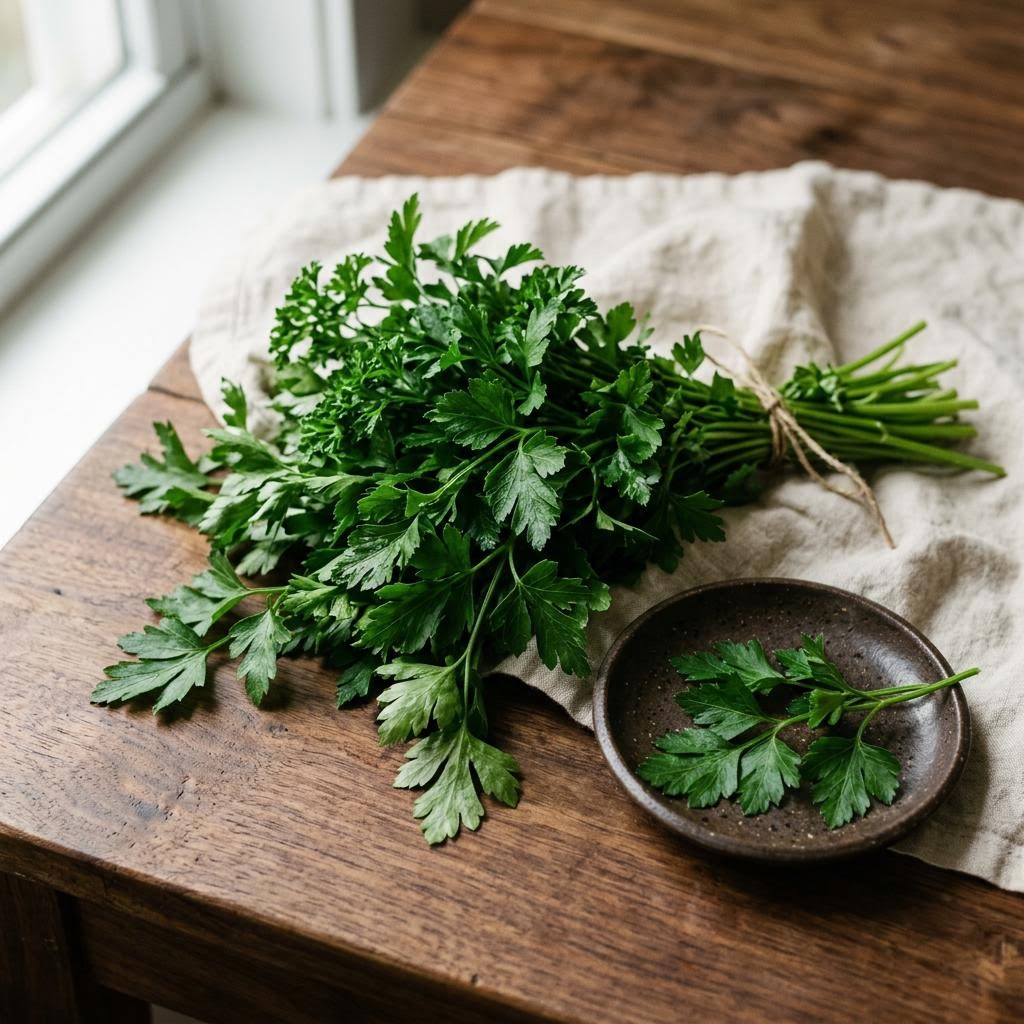
Parsley †
Petroselinum crispum
What it may bring: Parsley brings vitamin K, vitamin C and flavonoids such as apigenin to meals. It is useful as a generous culinary herb, while human evidence does not support claims that concentrated parsley juice cleanses the kidneys.
Traditional context: Parsley is a widely used culinary herb in Mediterranean, Middle Eastern, European and Latin American kitchens.
Try it: Use fresh leaves in salads, grains, sauces and soups. Food amounts are different from concentrated juice, tinctures or essential oil.
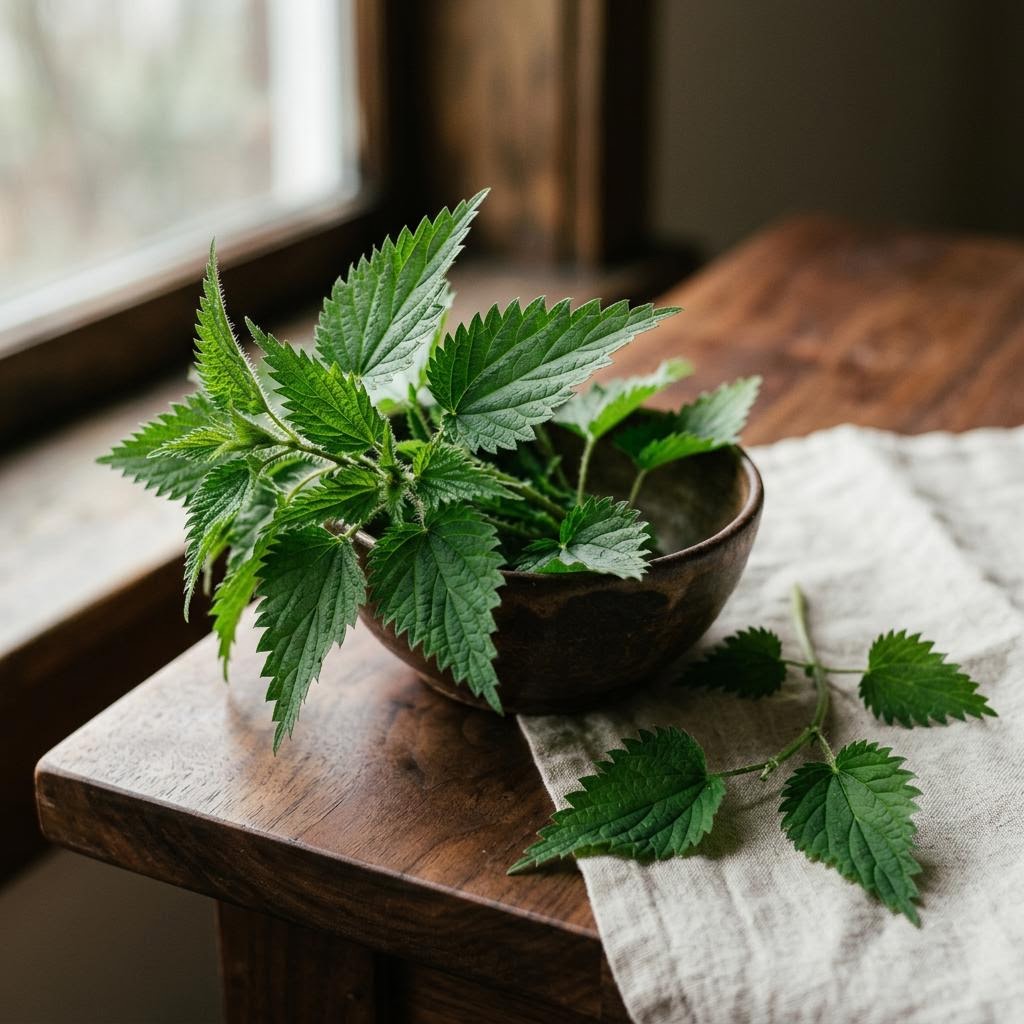
Nettle †
Urtica dioica
What it may bring: Cooked nettle leaves provide minerals, carotenoids and polyphenols. Extracts have been studied for urinary and seasonal-allergy symptoms, but the small and varied trials do not establish a clinical effect.
Traditional context: Nettle has been eaten as a cooked spring green and prepared as tea in European and other traditional herbal practices; cooking removes its sting.
Try it: Use only correctly identified, food-grade cooked greens or packaged tea. Do not handle or eat raw wild nettle.
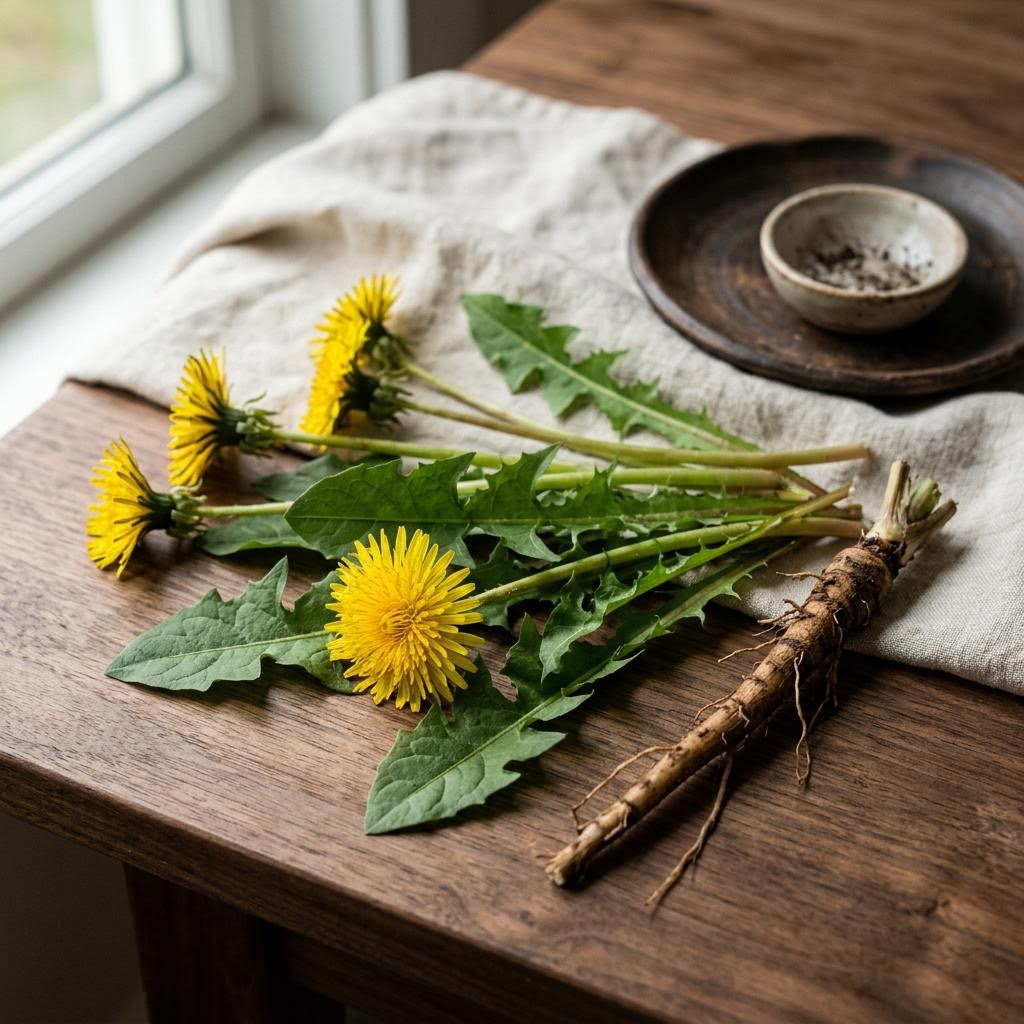
Dandelion †
Taraxacum officinale
What it may bring: Dandelion greens contribute fiber, potassium and bitter plant compounds, while the root contains inulin. These qualities make it a useful food plant; human research does not establish the popular liver- or kidney-cleanse claims.
Traditional context: Dandelion leaves and roots have appeared in European, Chinese and other food and traditional herbal practices, including bitter greens and roasted root drinks.
Try it: Use young leaves in a salad or cook them with other greens. Tea and root products are more concentrated than food and vary widely by preparation.
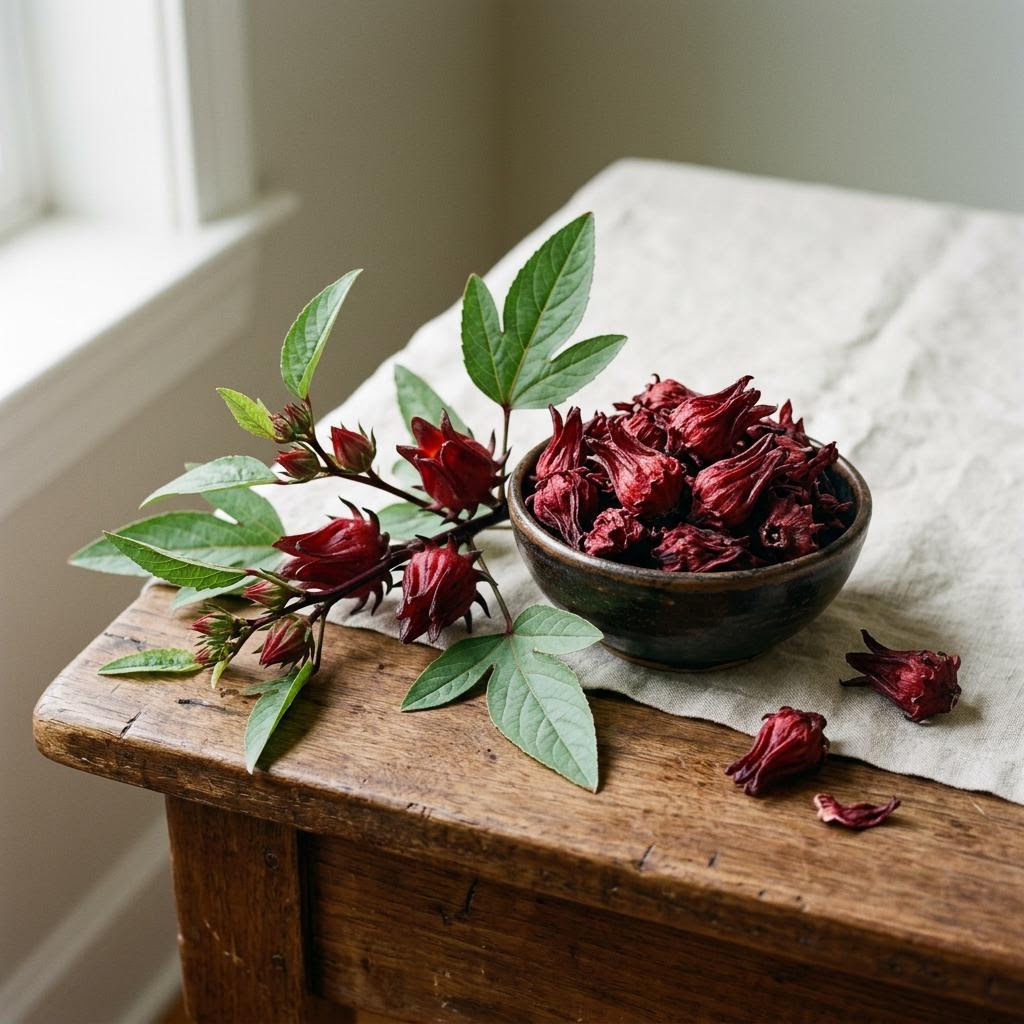
Hibiscus †
Hibiscus sabdariffa
What it may bring: Hibiscus calyces supply anthocyanins and tart organic acids. Small clinical trials suggest regularly brewed hibiscus tea may produce modest blood-pressure changes in some adults.
Traditional context: Hibiscus calyces have long been steeped into tart drinks, including bissap, agua de jamaica and karkade, across West Africa, the Caribbean, Latin America and the Middle East.
Try it: Steep dried calyces in hot water, chill, and use little or no added sugar. Treat it as a beverage, not a concentrated extract.
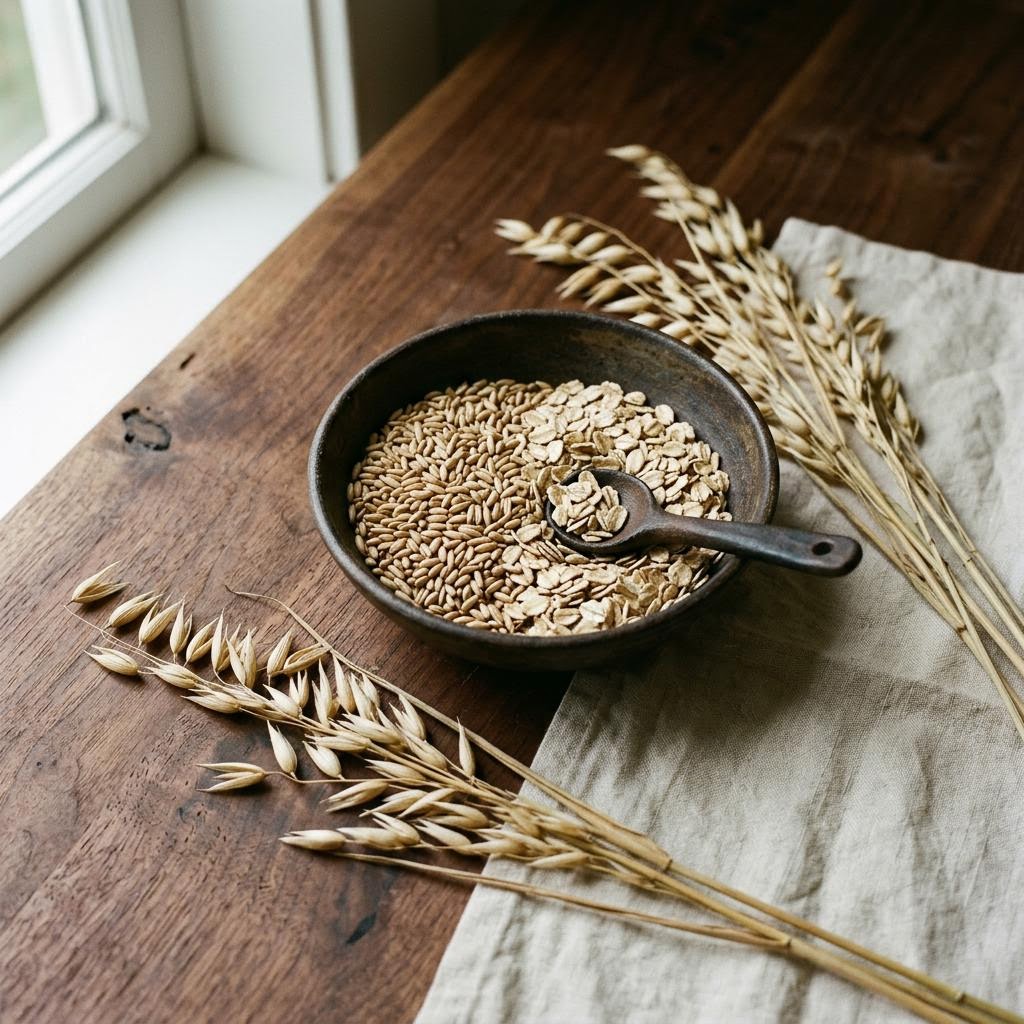
Oats †
Avena sativa
What it may bring: Oat beta-glucan forms a viscous fiber that slows digestion and helps carry bile acids from the body. Regular intake has established evidence for supporting healthy LDL-cholesterol patterns and contributes to digestive regularity.
Traditional context: Oats have been a staple grain in northern European food traditions and remain a practical base for breakfast, baking and everyday nourishment.
Try it: Try porridge, overnight oats, oat-based baking or a blended breakfast. Increase fiber gradually and drink enough fluid.
Safety & considerations
People with kidney disease, kidney stones, heart failure, fluid restrictions or urinary symptoms should consult a clinician. Seek prompt care for fever, flank pain, blood in urine or difficulty passing urine.
† Small note markers beside ingredient names link to the specific considerations collected below.
- Cranberry. Cranberry may interact with warfarin in some people and may not suit those prone to certain kidney stones. Seek care for fever, flank pain, blood in urine or painful urination rather than relying on cranberry.
- Parsley. Large supplemental amounts may affect fluid balance and vitamin K intake. Ask a clinician if taking warfarin, diuretics, lithium or if pregnant; avoid essential oil by mouth.
- Nettle. Nettle may affect blood pressure, blood sugar and fluid balance and may interact with diuretics or lithium. People with kidney or heart conditions, pregnancy or prescription medicines need clinician advice first.
- Dandelion. Avoid concentrated use with ragweed allergy, gallbladder or bile-duct problems, or diuretic medicines unless a clinician agrees. Wild plants may be contaminated or misidentified.
- Hibiscus. It may add to the effect of blood-pressure medicines or affect blood sugar. Ask a clinician before concentrated use in pregnancy, breastfeeding, or with prescription medicines.
- Oats. Choose certified gluten-free oats for diagnosed celiac disease. Fiber can affect absorption of some medicines, so separate high-fiber meals from medicines when a pharmacist recommends it.
Sources reviewed
- Cranberry — National Center for Complementary and Integrative Health
- Dandelion — National Center for Complementary and Integrative Health
- Bladder Infection (UTI) in Adults — National Institute of Diabetes and Digestive and Kidney Diseases
- Herbs at a Glance — National Center for Complementary and Integrative Health
Natural Remedies is for general education only. Food and traditional plant use do not diagnose, cure or replace medical care. If you have a diagnosed condition, are pregnant or breastfeeding, or take prescription medicines, speak with a qualified clinician or pharmacist before using concentrated herbal products.