NATURAL REMEDIES / 11 / 6 items
6 Foods for Steady Everyday Energy
A practical mix of fiber, protein-friendly foods and gentle flavor for days when energy needs steadiness rather than hype.
Steady energy is easier to build when meals bring fiber, protein, fluids and enough fuel for the day. These six foods add different textures and nutrients without relying on a jolt.
Where this comes from
Oats, dates, leafy greens, seeds and tea have appeared in breakfast, snack and hospitality traditions across many regions. They offer different kinds of fuel—slow-digesting carbohydrates, minerals, fiber and, in green tea, caffeine—so the right choice depends on the moment.
What the research suggests
Oat and flax fibers can slow digestion, beetroot nitrate supports oxygen efficiency during activity, and green tea combines caffeine with L-theanine. Cinnamon polyphenols and tart-cherry anthocyanins add flavor and plant variety; neither functions as a stimulant.
Explore the ingredients
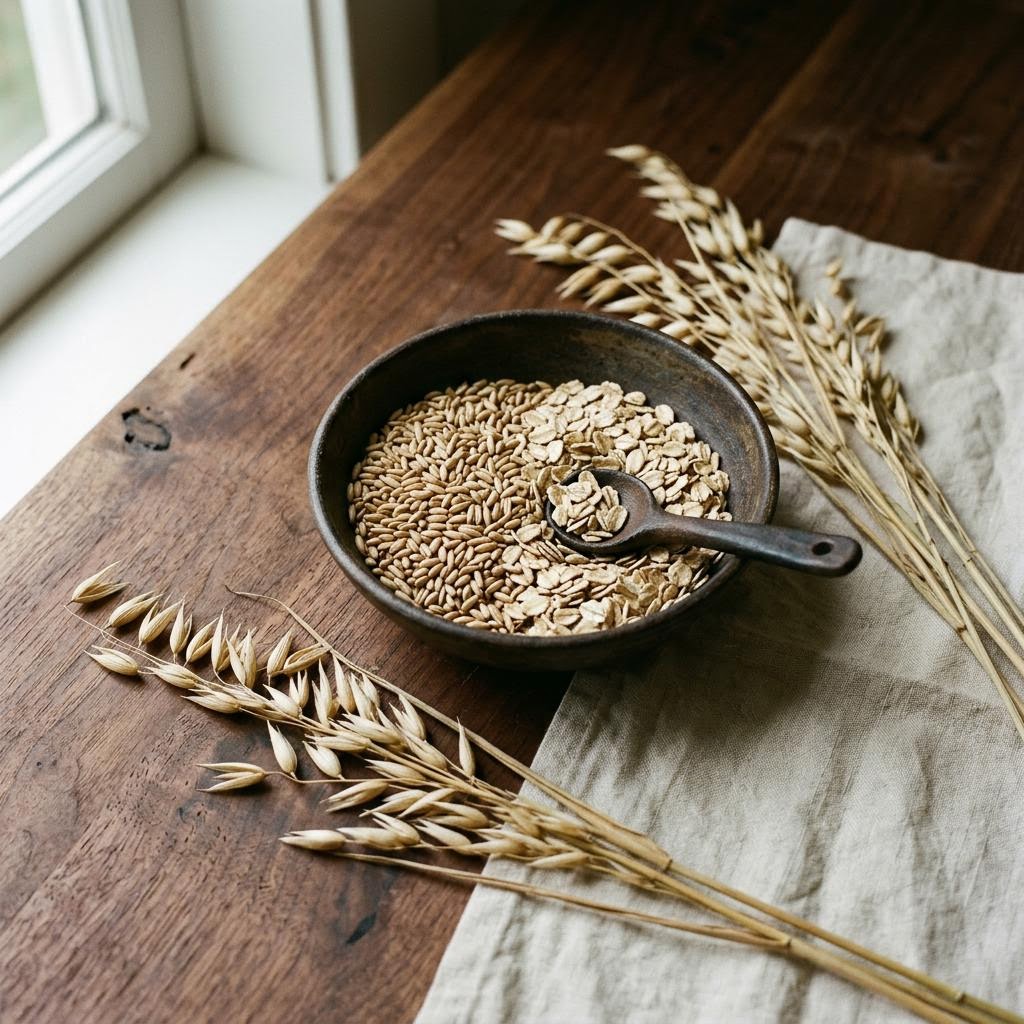
Oats †
Avena sativa
What it may bring: Oat beta-glucan forms a viscous fiber that slows digestion and helps carry bile acids from the body. Regular intake has established evidence for supporting healthy LDL-cholesterol patterns and contributes to digestive regularity.
Traditional context: Oats have been a staple grain in northern European food traditions and remain a practical base for breakfast, baking and everyday nourishment.
Try it: Try porridge, overnight oats, oat-based baking or a blended breakfast. Increase fiber gradually and drink enough fluid.
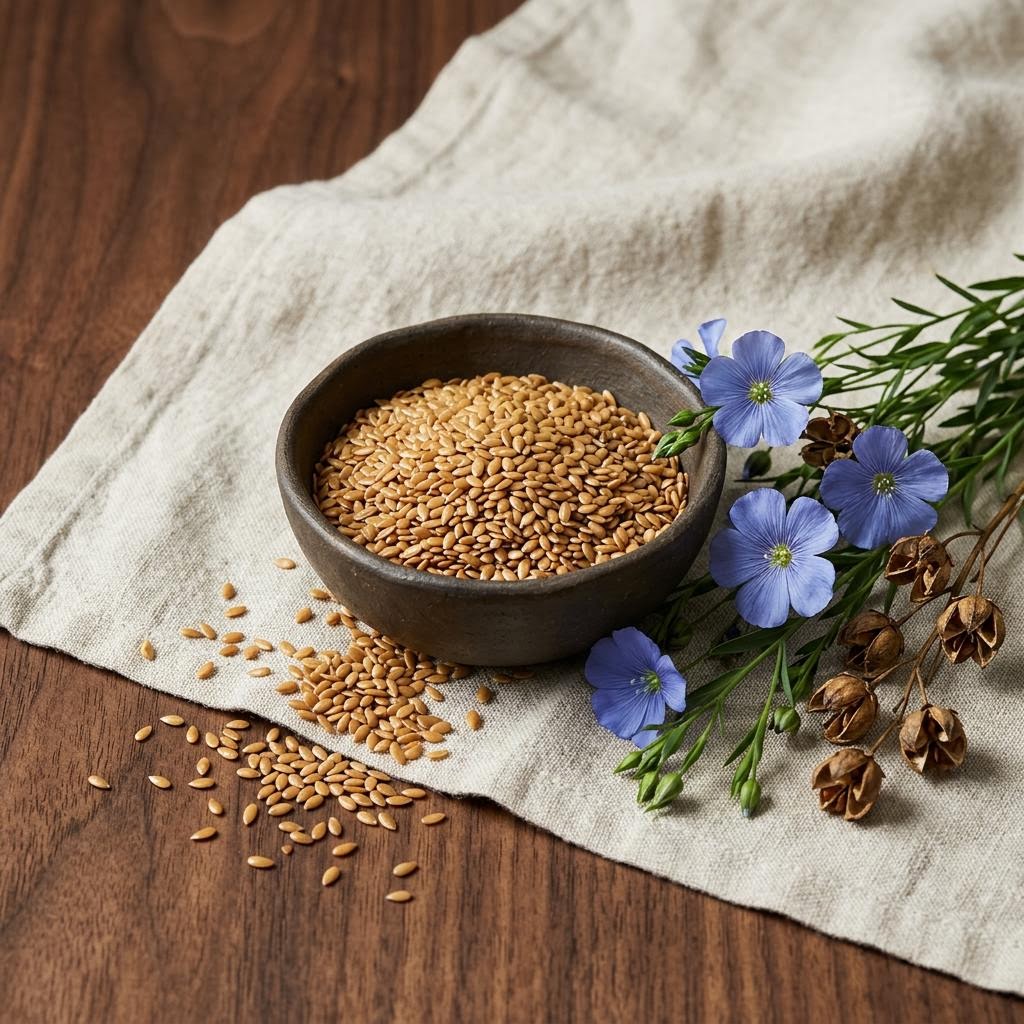
Flaxseed †
Linum usitatissimum
What it may bring: Ground flax supplies soluble and insoluble fiber, lignans and the plant omega-3 fat ALA. Research suggests regular intake can support bowel regularity and modestly improve some cholesterol and blood-pressure markers.
Traditional context: Flax has been grown for fiber, oil and food across Europe, Asia and the Mediterranean, with ground seed becoming a familiar pantry ingredient.
Try it: Use freshly ground seed in oats, yogurt, smoothies or baking, with water alongside it. Whole seeds often pass through undigested.
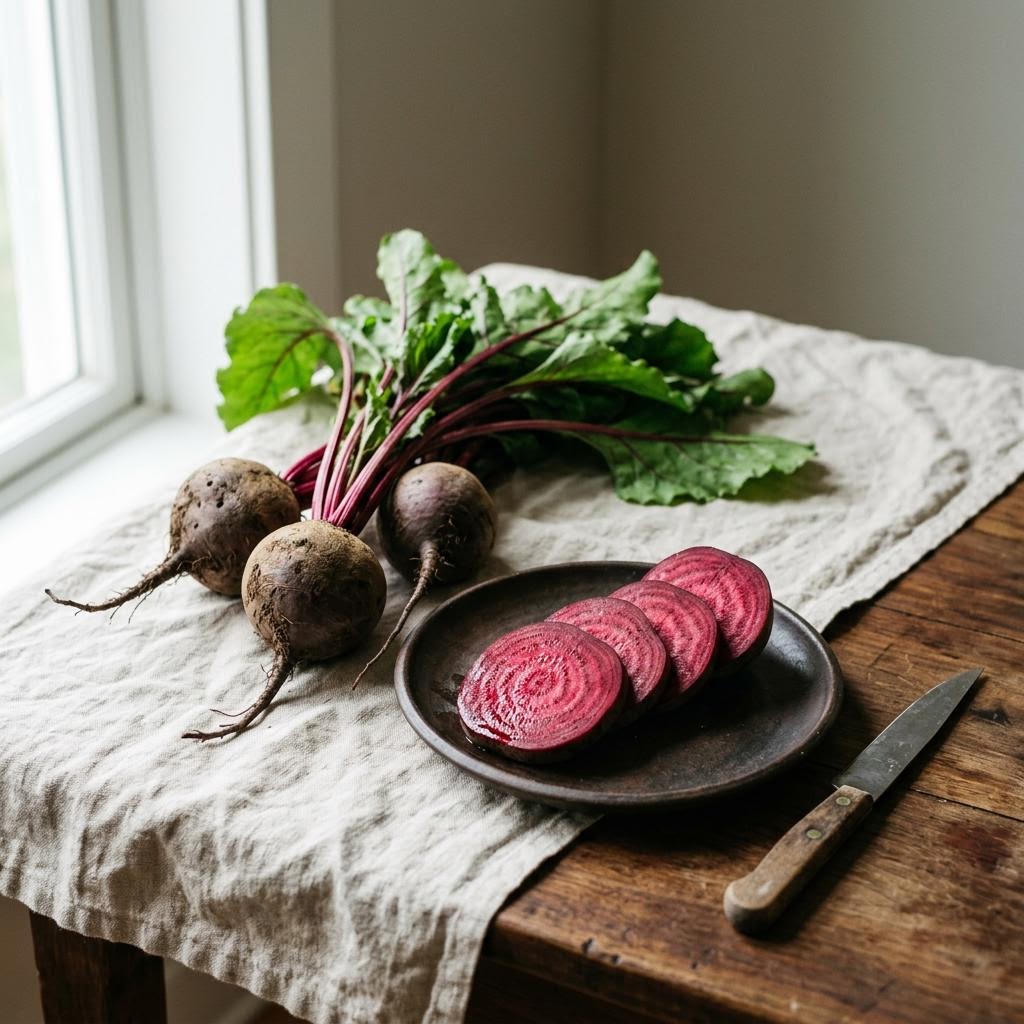
Beetroot †
Beta vulgaris
What it may bring: Beetroot is rich in dietary nitrate, which the body can convert to nitric oxide, a signaling molecule involved in blood-vessel relaxation. Trials suggest modest support for blood-flow efficiency, exercise performance and blood-pressure markers.
Traditional context: Beetroot is a food with roots in European and Mediterranean cooking, from roasted dishes to pickles and colorful drinks.
Try it: Roast or grate it into meals, or pair a small serving of beet with citrus in a juice. Whole-food portions also provide fiber; juice is more concentrated in sugar.
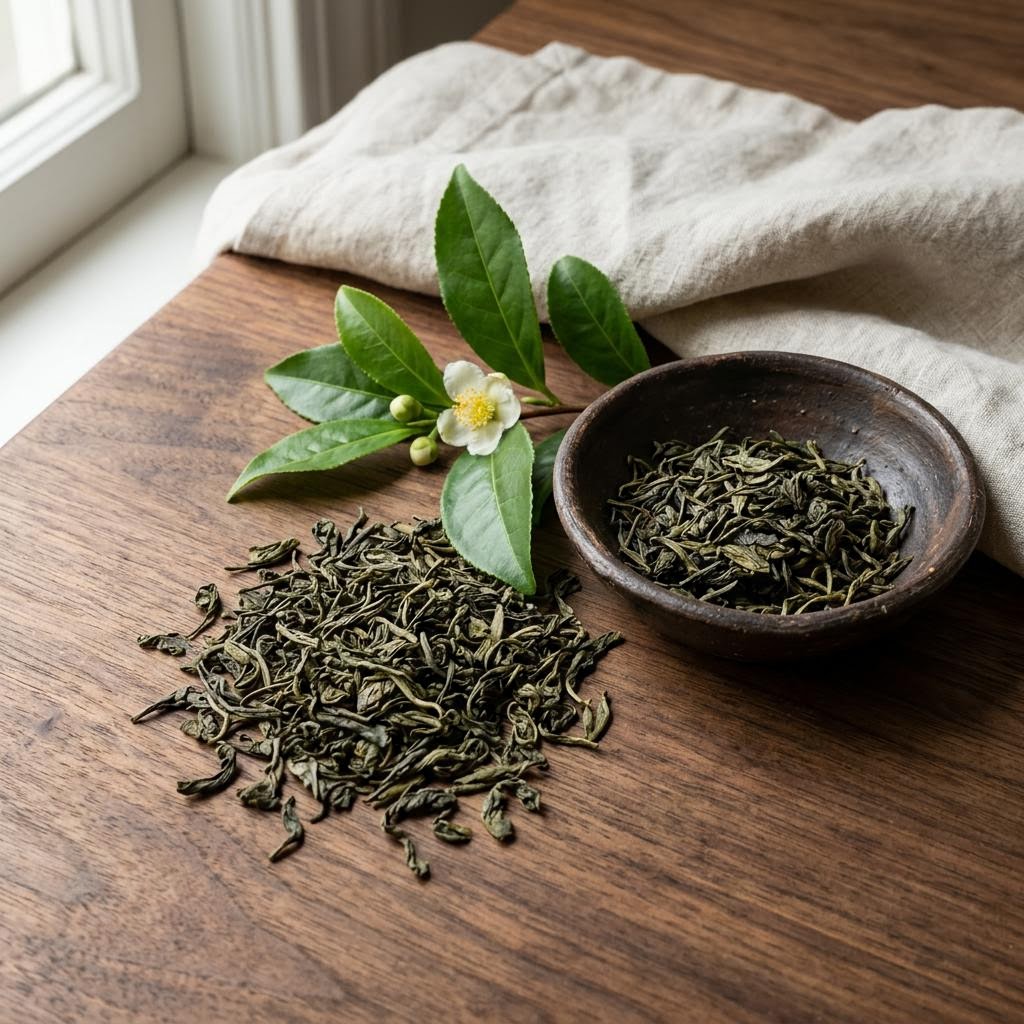
Green Tea †
Camellia sinensis
What it may bring: Green tea provides catechins such as EGCG along with caffeine and L-theanine. Regular unsweetened tea intake is associated with modest cardiovascular and metabolic markers, while the balance of alertness and calm varies with caffeine sensitivity.
Traditional context: Green tea has deep cultural histories in China, Japan, Korea, North Africa and elsewhere, where brewing and sharing the cup matter as much as the leaves.
Try it: Steep leaves briefly in hot rather than boiling water. Keep caffeine in mind, especially later in the day, and do not treat green-tea extract as a stronger cup.

Cinnamon †
Cinnamomum verum / cassia
What it may bring: Cinnamon contains aromatic compounds and polyphenols that have been studied in glucose metabolism. Some trials report modest changes in fasting glucose, but results are inconsistent and differ by species, dose and study design.
Traditional context: Cinnamon has been traded and cooked with across South Asia, the Middle East, Europe and many global kitchens for centuries.
Try it: Add a small amount to oats, fruit, stews or tea. Food amounts are preferable to large capsules or spoonfuls of powder.

Tart Cherry †
Prunus cerasus
What it may bring: Tart cherries provide anthocyanins and small amounts of melatonin. Studies of juice and concentrate suggest modest possible effects on exercise recovery and some sleep measures, with results varying by product and dose.
Traditional context: Tart cherries are a food used in preserves, drinks and regional desserts, while concentrated juice has become popular in exercise and sleep research.
Try it: Choose whole fruit or dilute a small amount of unsweetened juice with meals. Treat concentrates as supplements, not everyday hydration.
Safety & considerations
New, severe or persistent fatigue deserves medical attention. Be mindful of caffeine, blood-sugar medicines and kidney-related food restrictions.
† Small note markers beside ingredient names link to the specific considerations collected below.
- Oats. Choose certified gluten-free oats for diagnosed celiac disease. Fiber can affect absorption of some medicines, so separate high-fiber meals from medicines when a pharmacist recommends it.
- Flaxseed. Increase slowly to avoid bloating. Flax may affect blood sugar, blood pressure and absorption of oral medicines; avoid raw or unripe seed and ask a clinician about high-dose use in pregnancy.
- Beetroot. Beetroot can lower blood pressure and may turn urine or stool pink-red. People with a history of calcium-oxalate kidney stones or blood-pressure medicines should ask a clinician about concentrated juice.
- Green Tea. Caffeine may worsen anxiety, palpitations or sleep. Concentrated extracts have been linked to liver injury in rare cases and can interact with medicines; never take them on an empty stomach without professional advice.
- Cinnamon. Cassia cinnamon contains coumarin, which can burden the liver at high intake and interact with anticoagulants. People with liver conditions, pregnancy or diabetes medicines should ask a clinician before supplements.
- Tart Cherry. Concentrates may add sugar and potassium. Ask a clinician if you have kidney disease, gout, diabetes or take medicines affected by potassium or blood sugar.
Sources reviewed
- FoodData Central — U.S. Department of Agriculture
- Green Tea — National Center for Complementary and Integrative Health
- Cinnamon — National Center for Complementary and Integrative Health
- Dietary Guidelines for Americans, 2020–2025 — USDA and HHS
Natural Remedies is for general education only. Food and traditional plant use do not diagnose, cure or replace medical care. If you have a diagnosed condition, are pregnant or breastfeeding, or take prescription medicines, speak with a qualified clinician or pharmacist before using concentrated herbal products.