NATURAL REMEDIES / 03 / 6 items
6 Foods for Healthy Blood Pressure Support
Six familiar foods that bring fiber, potassium, nitrate and polyphenols to a blood-pressure-supportive pattern.
Blood pressure lives in a whole pattern of meals, movement, sleep and care. These six foods bring potassium, fiber, nitrates and polyphenols to the table in familiar ways.
Where this comes from
Hibiscus drinks such as bissap and karkade, along with beet dishes, have long food traditions across several regions. Oats, flax, garlic and green tea add a quieter pantry perspective: everyday fiber, plant compounds and flavor can make a supportive pattern easier to repeat.
What the research suggests
Beetroot nitrate supports nitric-oxide signaling; hibiscus anthocyanins, garlic compounds and flax lignans have shown modest blood-pressure effects in some trials; oat beta-glucan supports the wider cardiovascular pattern. Preparation, dose and individual response all shape the size of any measured change.
Explore the ingredients
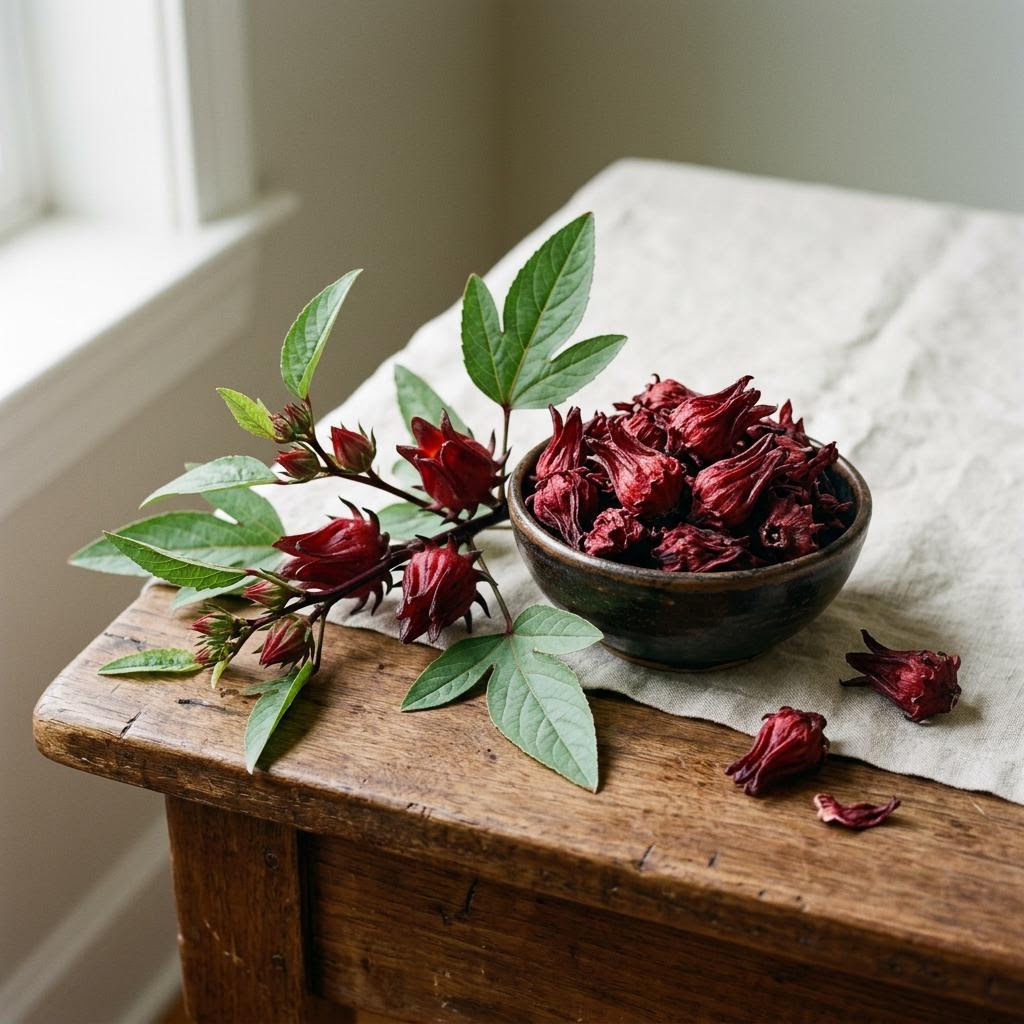
Hibiscus †
Hibiscus sabdariffa
What it may bring: Hibiscus calyces supply anthocyanins and tart organic acids. Small clinical trials suggest regularly brewed hibiscus tea may produce modest blood-pressure changes in some adults.
Traditional context: Hibiscus calyces have long been steeped into tart drinks, including bissap, agua de jamaica and karkade, across West Africa, the Caribbean, Latin America and the Middle East.
Try it: Steep dried calyces in hot water, chill, and use little or no added sugar. Treat it as a beverage, not a concentrated extract.
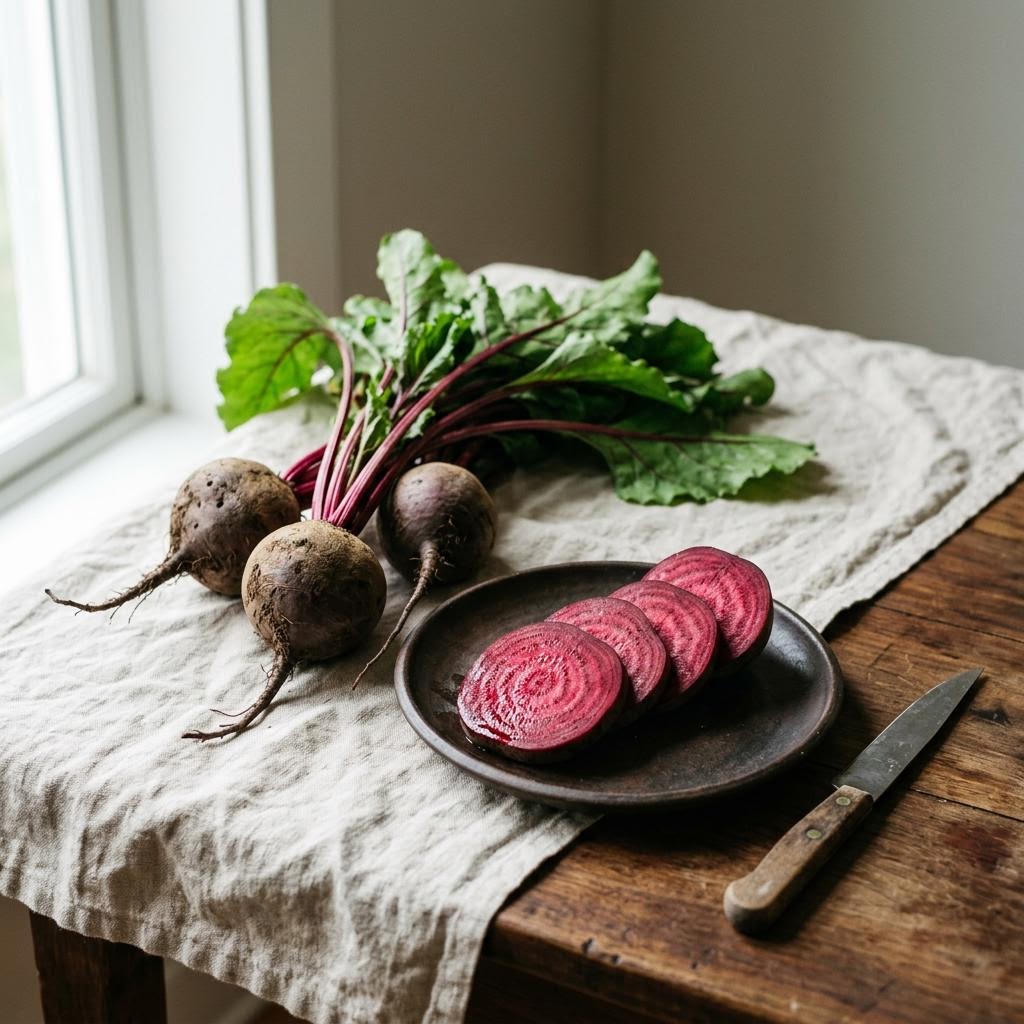
Beetroot †
Beta vulgaris
What it may bring: Beetroot is rich in dietary nitrate, which the body can convert to nitric oxide, a signaling molecule involved in blood-vessel relaxation. Trials suggest modest support for blood-flow efficiency, exercise performance and blood-pressure markers.
Traditional context: Beetroot is a food with roots in European and Mediterranean cooking, from roasted dishes to pickles and colorful drinks.
Try it: Roast or grate it into meals, or pair a small serving of beet with citrus in a juice. Whole-food portions also provide fiber; juice is more concentrated in sugar.
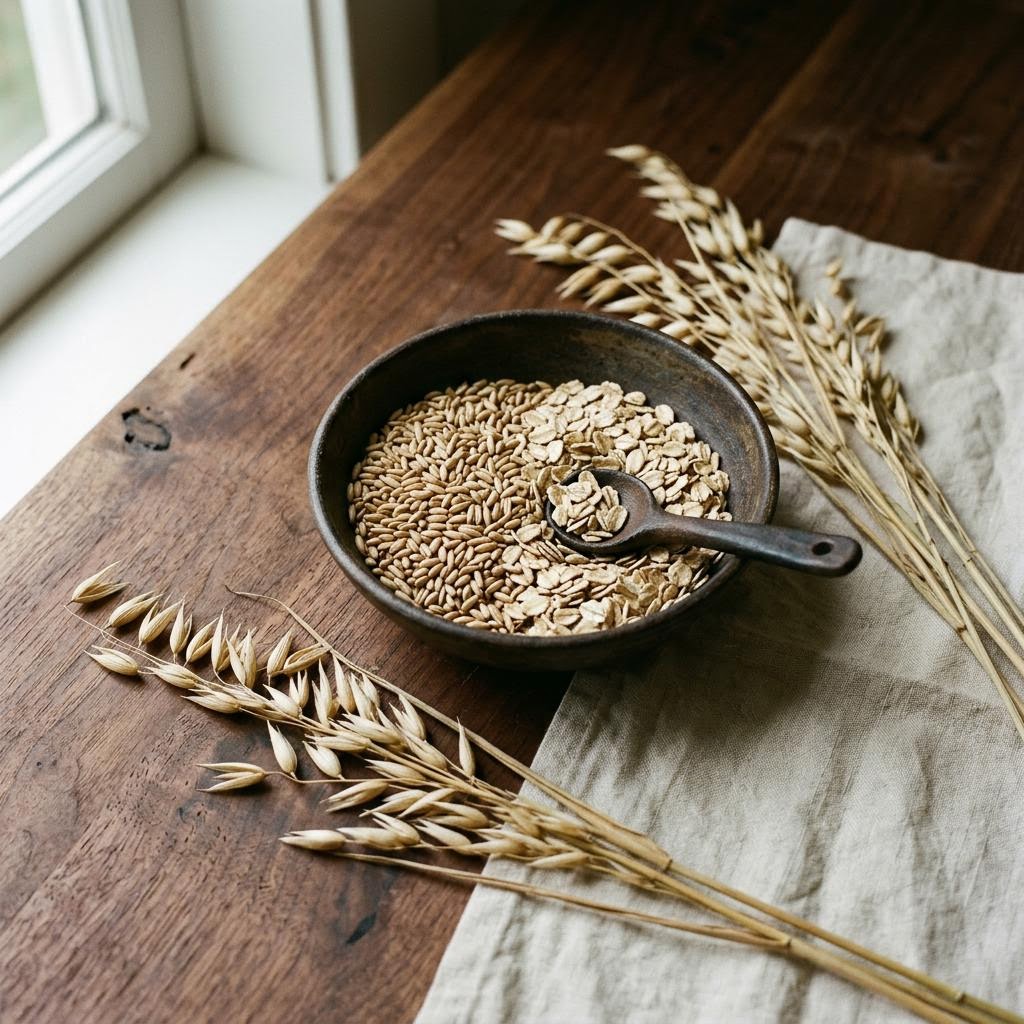
Oats †
Avena sativa
What it may bring: Oat beta-glucan forms a viscous fiber that slows digestion and helps carry bile acids from the body. Regular intake has established evidence for supporting healthy LDL-cholesterol patterns and contributes to digestive regularity.
Traditional context: Oats have been a staple grain in northern European food traditions and remain a practical base for breakfast, baking and everyday nourishment.
Try it: Try porridge, overnight oats, oat-based baking or a blended breakfast. Increase fiber gradually and drink enough fluid.
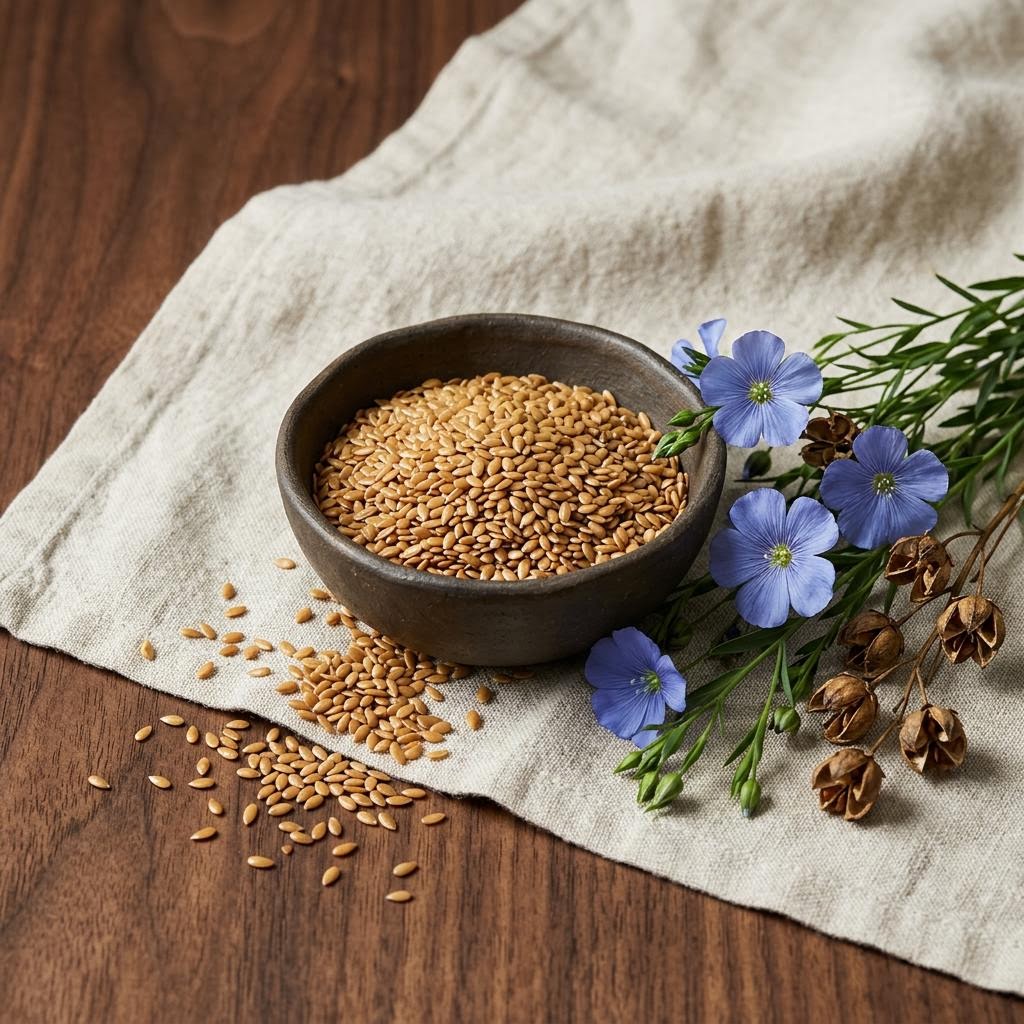
Flaxseed †
Linum usitatissimum
What it may bring: Ground flax supplies soluble and insoluble fiber, lignans and the plant omega-3 fat ALA. Research suggests regular intake can support bowel regularity and modestly improve some cholesterol and blood-pressure markers.
Traditional context: Flax has been grown for fiber, oil and food across Europe, Asia and the Mediterranean, with ground seed becoming a familiar pantry ingredient.
Try it: Use freshly ground seed in oats, yogurt, smoothies or baking, with water alongside it. Whole seeds often pass through undigested.
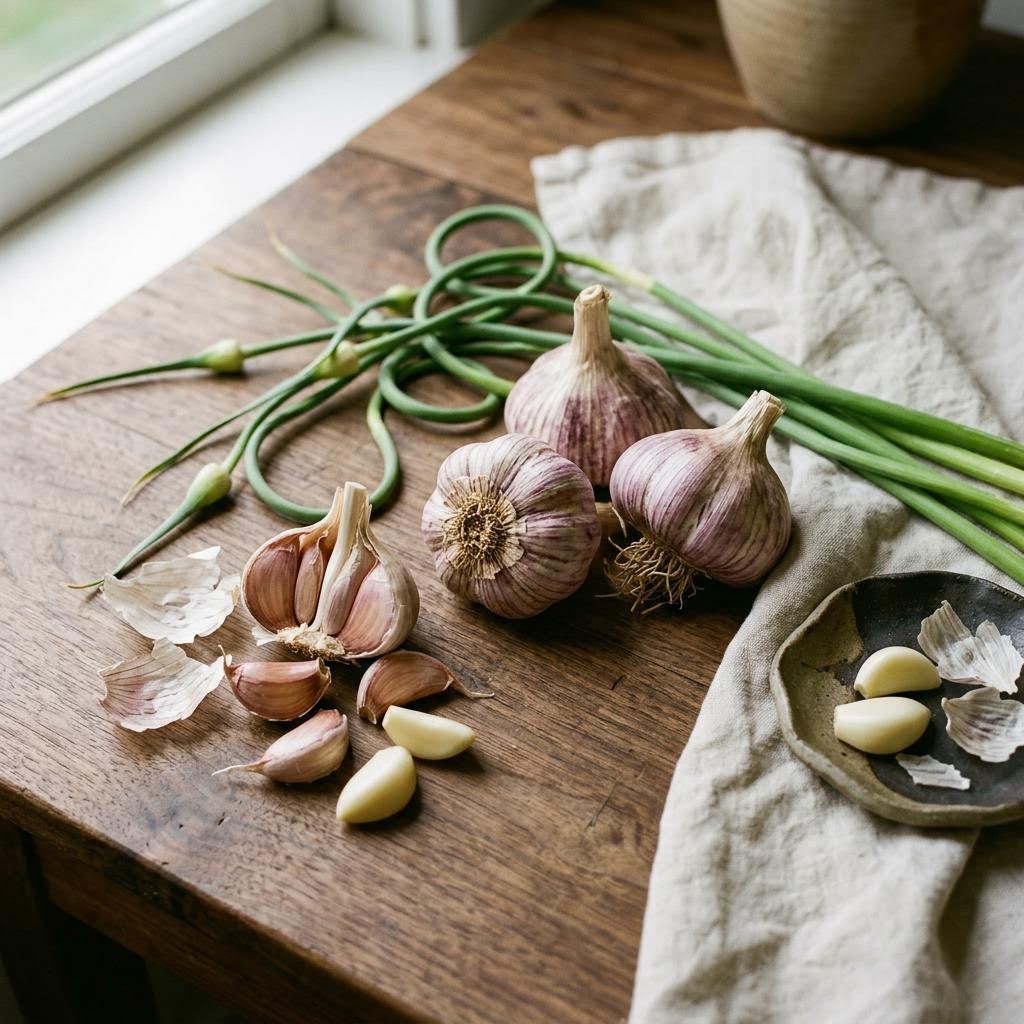
Garlic †
Allium sativum
What it may bring: Cut or crushed garlic forms organosulfur compounds, including allicin-related compounds. Studies of garlic preparations suggest modest effects on some blood-pressure and cholesterol markers, while ordinary garlic also brings depth to vegetable-rich meals.
Traditional context: Garlic is both a food and a household ingredient in cuisines across the Mediterranean, Asia, Africa and the Americas, where it has also carried long-standing traditional wellness uses.
Try it: Add fresh garlic to beans, soups, sauces and roasted vegetables. Food amounts are gentler and less concentrated than capsules or aged-garlic extracts.
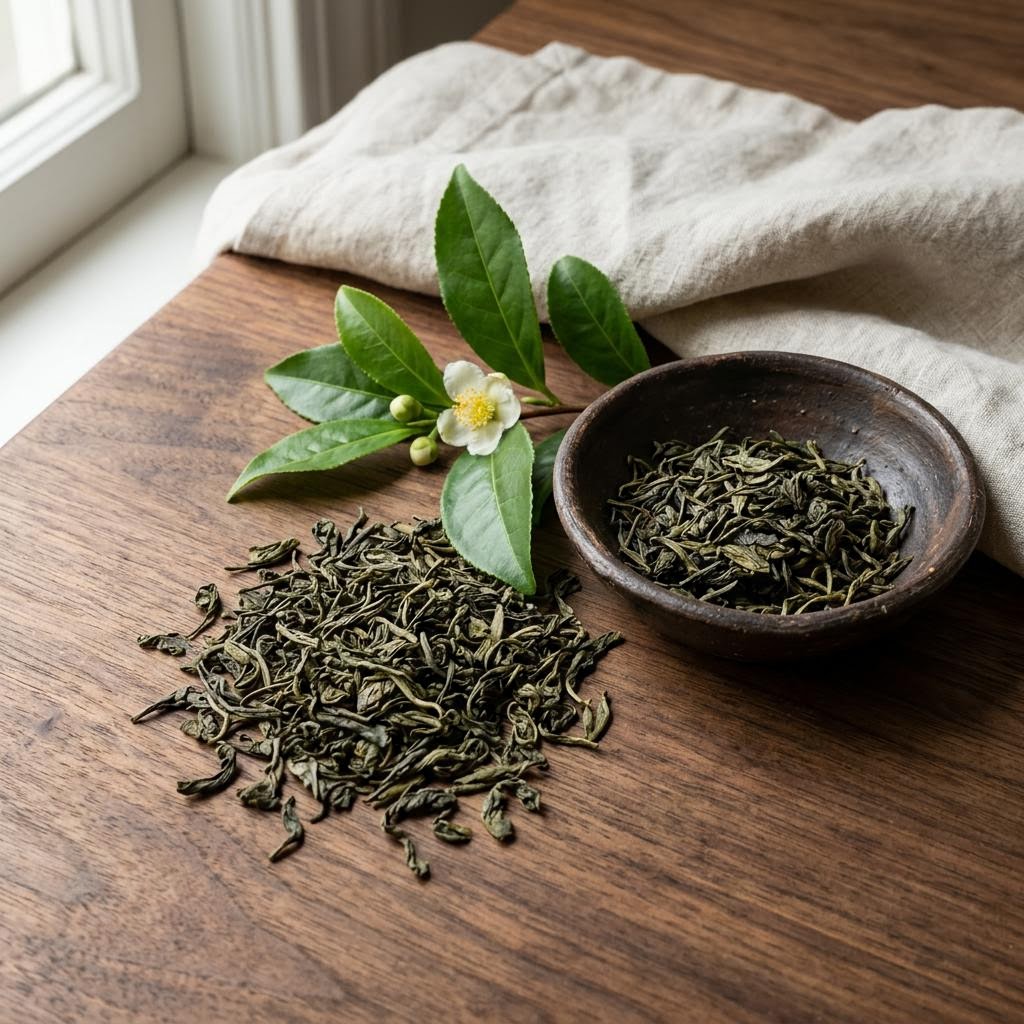
Green Tea †
Camellia sinensis
What it may bring: Green tea provides catechins such as EGCG along with caffeine and L-theanine. Regular unsweetened tea intake is associated with modest cardiovascular and metabolic markers, while the balance of alertness and calm varies with caffeine sensitivity.
Traditional context: Green tea has deep cultural histories in China, Japan, Korea, North Africa and elsewhere, where brewing and sharing the cup matter as much as the leaves.
Try it: Steep leaves briefly in hot rather than boiling water. Keep caffeine in mind, especially later in the day, and do not treat green-tea extract as a stronger cup.
Safety & considerations
If you have high or low blood pressure, kidney disease, heart disease or take blood-pressure medicines, check with a clinician before increasing concentrated beet, hibiscus, garlic or flax products.
† Small note markers beside ingredient names link to the specific considerations collected below.
- Hibiscus. It may add to the effect of blood-pressure medicines or affect blood sugar. Ask a clinician before concentrated use in pregnancy, breastfeeding, or with prescription medicines.
- Beetroot. Beetroot can lower blood pressure and may turn urine or stool pink-red. People with a history of calcium-oxalate kidney stones or blood-pressure medicines should ask a clinician about concentrated juice.
- Oats. Choose certified gluten-free oats for diagnosed celiac disease. Fiber can affect absorption of some medicines, so separate high-fiber meals from medicines when a pharmacist recommends it.
- Flaxseed. Increase slowly to avoid bloating. Flax may affect blood sugar, blood pressure and absorption of oral medicines; avoid raw or unripe seed and ask a clinician about high-dose use in pregnancy.
- Garlic. Large supplemental doses may increase bleeding risk and can interact with anticoagulants, antiplatelet medicines and some HIV medicines. Stop concentrated supplements before surgery only with clinician guidance.
- Green Tea. Caffeine may worsen anxiety, palpitations or sleep. Concentrated extracts have been linked to liver injury in rare cases and can interact with medicines; never take them on an empty stomach without professional advice.
Sources reviewed
- DASH Eating Plan — National Heart, Lung, and Blood Institute
- Garlic — National Center for Complementary and Integrative Health
- Green Tea — National Center for Complementary and Integrative Health
- Flaxseed and Flaxseed Oil — National Center for Complementary and Integrative Health
Natural Remedies is for general education only. Food and traditional plant use do not diagnose, cure or replace medical care. If you have a diagnosed condition, are pregnant or breastfeeding, or take prescription medicines, speak with a qualified clinician or pharmacist before using concentrated herbal products.