Culture / the wider explanation / September 21, 2026
Why Global Brands Change Recipes
A logo can cross a border in seconds. Rebuilding the food behind it takes suppliers, laws, factories and local trust.
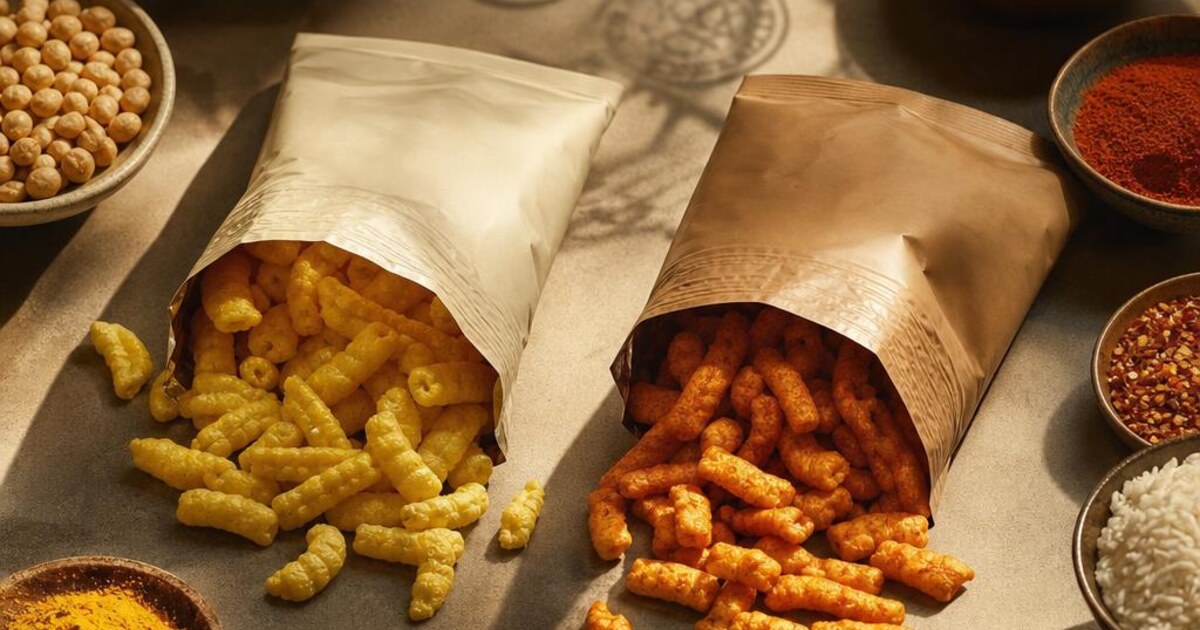
What changes—and what it actually tells you
| Compare | What can differ | How to read it |
|---|---|---|
| Ingredients | Sweeteners, oils, colors, flavorings, fortification and regional suppliers. | Match the exact named product and date; do not treat ingredient count as a health score. |
| Labels | One country may group a seasoning while another lists every sub-ingredient. | A longer list may reflect declaration rules rather than a more complicated food. |
| Nutrition | Serving sizes and front-of-pack formats vary. | Compare equal gram weights, then separate allergen relevance from general nutrition. |
Regulation matters, but supply chains, taxes, licensing, religion, equipment and local taste can be equally important.
Regulation sets the field, not every move
Countries permit, restrict and label additives differently. They also set standards for flour fortification, allergen declarations, nutrition panels and claims. Those rules can change both the recipe and how long the ingredient list appears.
Supply chains have a flavor
Cooking oils follow regional crops and contracts. Dairy tastes different across processing systems. Potato varieties, sugar markets, factory equipment and packaging lines all place practical boundaries around a formula.