On satisfying meals / August 30, 2026
What Happens to Protein After You Eat It?
Digestion breaks protein into amino acids the body can reuse. Fullness also depends on fiber, fat, volume and the whole meal.
The short version
- Stomach acid and digestive enzymes unfold proteins and break them into smaller peptides and amino acids.
- Amino acids enter a shared pool the body can use for tissues, enzymes, hormones and energy.
- Protein can support fullness, but fiber, fat, food volume, flavor and meal context matter too.
- Needs differ with age, body size, activity, health and kidney function; more is not automatically better.
Break it down
Protein begins changing in the stomach, where acid and enzymes help unfold its structure. Digestion continues in the small intestine until proteins are reduced to amino acids and small peptides that can be absorbed.
The body does not store a dedicated protein tank. Amino acids circulate in a pool and are used as needed for muscle and other tissues, enzymes, hormones and sometimes energy.
Why it can feel satisfying
Protein can contribute to satiety through several signals, including digestion time and hormones involved in appetite. But a protein food is not automatically filling in every form or portion. A drink, snack bar and bean-rich meal can produce very different experiences.
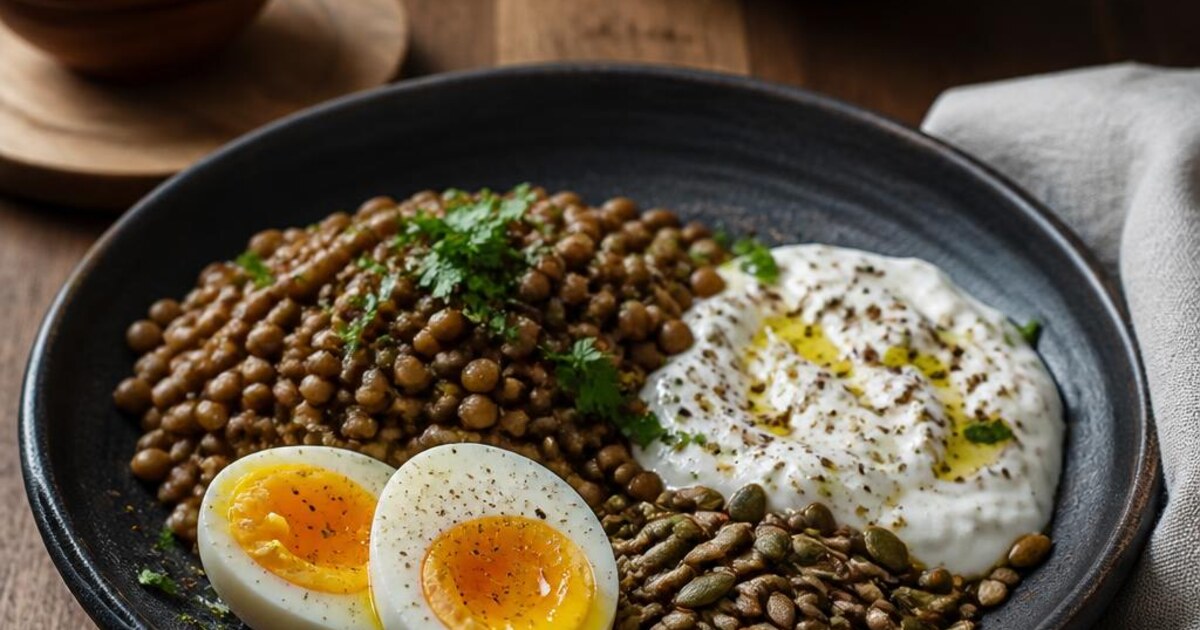
Fiber, fat, water, texture and total energy also influence how long a meal lasts. That is why yogurt with fruit and oats, tofu with vegetables and rice, or beans in a grain bowl can feel more complete than a protein ingredient considered alone.
Build a flexible anchor
Beans, lentils, tofu, eggs, yogurt, fish, chicken, nuts and seeds can all anchor a meal. Mix and match according to taste, budget, culture and dietary needs. A varied pattern is more useful than finding a single perfect source.
People with kidney disease, medically prescribed protein limits or difficulty meeting needs may need individualized advice from a clinician or dietitian. Wellness content should not turn a general nutrition idea into a personal target.
Ways to try this
- Add one protein anchor to a meal you already like instead of rebuilding your entire diet.
- Pair protein with a fiber-rich carbohydrate and produce for more texture and staying power.
- Use leftovers: beans in soup, yogurt with fruit, tofu in a bowl or eggs with greens.
- Ask for personal guidance if kidney function or a medical diet affects protein needs.