On making room / March 6, 2026
A little breathing space for busy afternoons
A short afternoon pause can mark the transition between tasks, using ordinary cues rather than a perfect meditation setup.
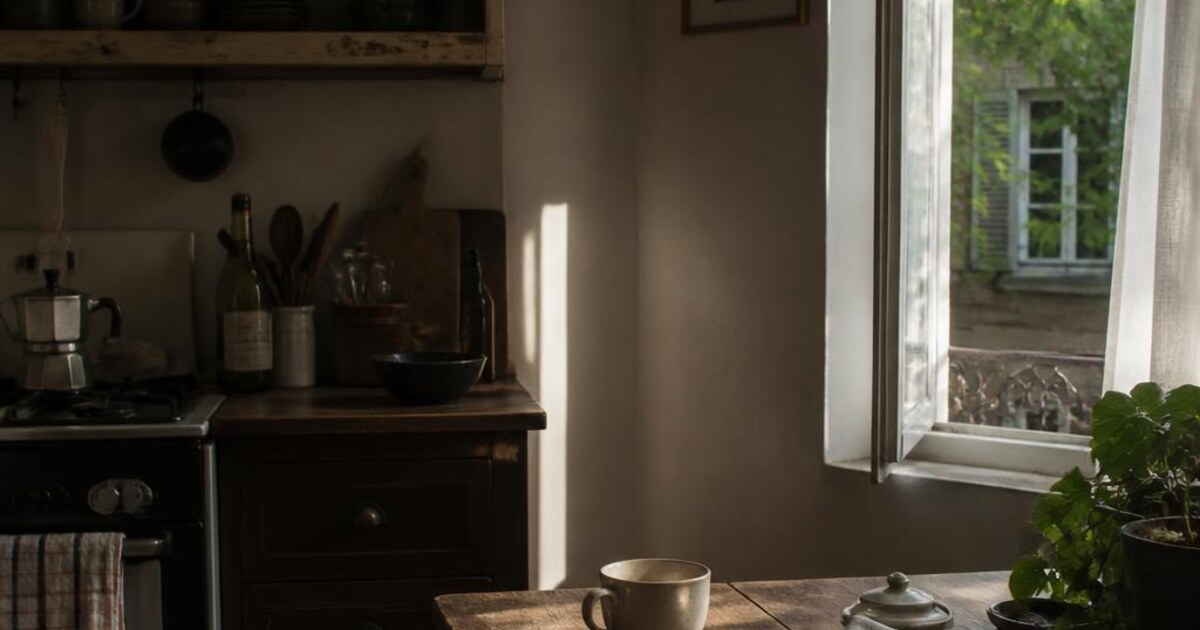
Make a clean minute
Afternoons have a particular kind of crowdedness. The morning plan is still asking to be finished, the next task has arrived early, and even a short message can feel like one more object to carry. A pause does not remove those facts, but it can create a little separation between them.
Try a pause that has a beginning and an end. Put both feet on the floor, let your hands rest, and take three breaths without trying to make them unusually deep. If focusing on breathing feels uncomfortable, look at a fixed object or listen for nearby sounds instead.
Use the senses
A useful breathing space may be sensory rather than silent. Step near a window, wash a cup in warm water, feel the texture of a sweater or walk to the mailbox. The point is to give attention one manageable place to land.
Longer exhales feel calming to some people, but not to everyone. You might breathe in gently for a count of three and out for four, for three rounds, or simply allow your normal breath to be unhurried. Stop if you feel dizzy, panicky or short of breath.
Keep it small
Protect the pause from becoming another inbox. Do not use it to plan the next six hours or evaluate how well you relaxed. A minute that stays a minute can be more helpful than a wellness ritual that grows until it needs its own project plan.
Choose a cue that already happens: before the first afternoon meeting, after lunch, when the kettle boils or immediately after closing a difficult message. Repetition comes from the cue being dependable, not from your motivation being extraordinary.
Return gently
When the pause ends, name one next action that is small enough to begin. Open the document, send the two-line reply or fill the water glass. A little breathing space should return you to the day, not ask you to escape it.
Ways to try this
- Try a sixty-second pause before opening an afternoon meeting link.
- Look outside and name three colors, two sounds and one physical sensation.
- Keep water, a window or a quiet corner within easy reach of your usual workspace.
- Choose normal, comfortable breathing instead of forcing a large inhale.
- End by writing down one next action so the pause does not become another decision.